
TL;DR: The right gym is the one you will actually use consistently. Focus on location, coaching quality, equipment, class options, contract terms, and overall comfort before you sign up. A smart choice may help you train more regularly, recover better, and make steady progress without wasting money or motivation.
- What Is the Best Way to Choose a Gym?
- Why Location and Schedule Matter When Choosing a Gym
- What Equipment and Facilities Should a Good Gym Have?
- How to Compare Gym Memberships and Pricing
- Personal Training vs Group Classes: Which Is Better?
- FAQ About Choosing the Perfect Gym
What Is the Best Way to Choose a Gym?
Choosing the right gym starts with one simple question: will this place help you train consistently, safely, and with purpose? The best gym matches your goals, schedule, budget, and comfort level. A flashy facility means little if the location, coaching, or equipment does not support regular training.
Which Fitness Goals Should Guide Your Decision?
Your fitness goal should shape your gym choice because different facilities support different outcomes. Someone focused on fat loss, strength, rehab, or healthy aging may need different equipment, coaching, and class options. A gym that fits your goal often makes training more efficient, more enjoyable, and easier to sustain.
- Strength goals: Look for barbells, dumbbells, racks, benches, and clear progression options.
- Fat-loss goals: Prioritize coaching, cardio equipment, and a realistic training environment you can use often.
- Mobility and recovery goals: Check for open space, stretching areas, and staff who understand movement quality.
- Beginner goals: Choose a gym that feels welcoming, simple to navigate, and easy to commit to.
How Can You Tell If a Gym Fits Your Lifestyle?
A gym fits your lifestyle when it reduces friction instead of adding it. Travel time, parking, opening hours, crowd levels, and overall atmosphere all affect adherence. If getting there feels stressful or inconvenient, motivation usually drops, even when the gym looks impressive during the first visit.
- Commute: Choose a gym near home, work, or your normal routine.
- Opening hours: Make sure the timetable matches when you can actually train.
- Atmosphere: Pick a space where you feel comfortable, focused, and not judged.
- Traffic flow: Visit during peak hours to see how busy the gym really gets.
Why Location and Schedule Matter When Choosing a Gym
Convenience is one of the strongest predictors of gym consistency. A well-equipped gym that is too far away often loses to a simpler gym that fits daily life. Easy access, realistic travel time, and workable session slots may help you train more often and stick with your plan longer.
How Does Gym Location Affect Long-Term Consistency?
Gym location influences attendance because people usually repeat what feels easy to start. A nearby gym removes excuses, reduces decision fatigue, and makes short sessions more practical. That matters for busy professionals, parents, and beginners who need routine more than occasional bursts of motivation.
- Near home: Useful for morning training, weekend sessions, and low-barrier habit building.
- Near work: Helpful for lunchtime sessions or training before commuting home.
- Easy access: Good parking, safe entry, and public transport links all improve follow-through.
What Schedule Features Should You Check Before Joining?
A gym schedule should support your real week, not your ideal week. Check staffed hours, class times, trainer availability, and peak crowd periods before committing. A great membership becomes poor value if the times you need are fully booked, rushed, or too crowded for quality training.
- Class timetable: Make sure useful sessions run at times you can attend consistently.
- Trainer access: Confirm when coaching support is available if you want guidance.
- Peak hours: Test the gym when you would normally train, not just during quiet hours.
- Booking rules: Review cancellation windows and waitlist policies before signing up.
What Equipment and Facilities Should a Good Gym Have?
A good gym should provide the equipment, space, and support that match your training needs. Cardio machines, strength tools, open movement areas, and clean amenities all matter. The goal is not maximum variety for its own sake, but a setup that helps you train safely and consistently.
What Basic Equipment Should Most People Look For?
Most gym users benefit from a balanced mix of cardio equipment, resistance machines, and free weights. Treadmills, ellipticals, dumbbells, benches, cables, and squat stations cover many common goals. A useful gym should make it easy to build strength, improve fitness, and progress without unnecessary complexity.
- Cardio machines: Treadmills, bikes, rowers, or ellipticals support heart health and conditioning.
- Strength tools: Dumbbells, barbells, benches, racks, and cables allow progressive overload.
- Beginner-friendly options: Machines can help new members learn basic movement patterns safely.
- Mobility space: Open floor space supports warm-ups, stretching, and recovery work.
Which Facilities and Services Add Real Value?
The best facilities add value by improving training quality, comfort, and accountability. Clean locker rooms, recovery-friendly spaces, helpful staff, and clear onboarding all make a difference. If you want more guidance, services like personal training and body composition analysis may help you track progress more clearly.
- Cleanliness: Hygiene standards affect comfort, safety, and overall confidence in the facility.
- Locker rooms: Useful for members training before work, after work, or between appointments.
- Coaching support: Skilled staff may help with exercise selection, form, and progression.
- Progress tracking: Assessments can make training more focused and measurable.
How to Compare Gym Memberships and Pricing
Gym pricing should be judged by value, not just monthly cost. A cheaper membership can become expensive if it includes hidden fees, poor access, or services you never use. Compare contract length, cancellation rules, class limits, and coaching options before deciding what is truly worth paying for.
What Should You Check in a Gym Contract?
A gym contract should clearly explain how much you pay, how long you are locked in, and what happens if your routine changes. Hidden fees and rigid terms can make a seemingly good deal frustrating later. Reading the fine print helps protect your budget and gives you more control.
- Joining fees: Check whether there are setup charges or annual maintenance costs.
- Contract length: Shorter terms may suit beginners or anyone testing a new routine.
- Cancellation terms: Know the notice period, freeze options, and penalty clauses.
- Access limits: Confirm whether classes, peak hours, or premium zones cost extra.
Can You Negotiate a Better Gym Membership Deal?
Yes, gym memberships can sometimes be negotiated, especially when promotions, competitor offers, or quieter sales periods are involved. Asking polite, specific questions may uncover better value. You may not always lower the base fee, but you might secure extras that improve the membership.
- Compare options: Research nearby gyms before discussing price.
- Ask about promotions: Seasonal offers, referral deals, and tiered memberships may reduce cost.
- Request added value: Trial sessions, assessments, or guest passes may be easier to negotiate than price.
- Stay realistic: The best deal is the one you will actually use consistently.
Personal Training vs Group Classes: Which Is Better?
Personal training and group classes both work, but they serve different needs. Personal training offers more customization and direct coaching, while group classes offer energy, structure, and community. The better option depends on your goals, confidence level, injury history, and need for accountability.
When Is Personal Training the Better Choice?
Personal training is often a strong fit for beginners, busy professionals, people returning from injury, or anyone with specific goals. One-to-one coaching may improve exercise technique, progression, and accountability. It can also help you use your time better and avoid random workouts that lack direction.
- Technique support: A coach can correct movement and reduce avoidable training mistakes.
- Custom programming: Sessions can match your schedule, goals, limitations, and recovery capacity.
- Accountability: Appointments create structure and may improve follow-through.
- Progress tracking: Coaching works well with clear goals and regular review points.
If your main goal is building a smarter training plan, improving movement quality, or learning strength training safely, individual coaching may offer better structure and feedback than a one-size-fits-all session.
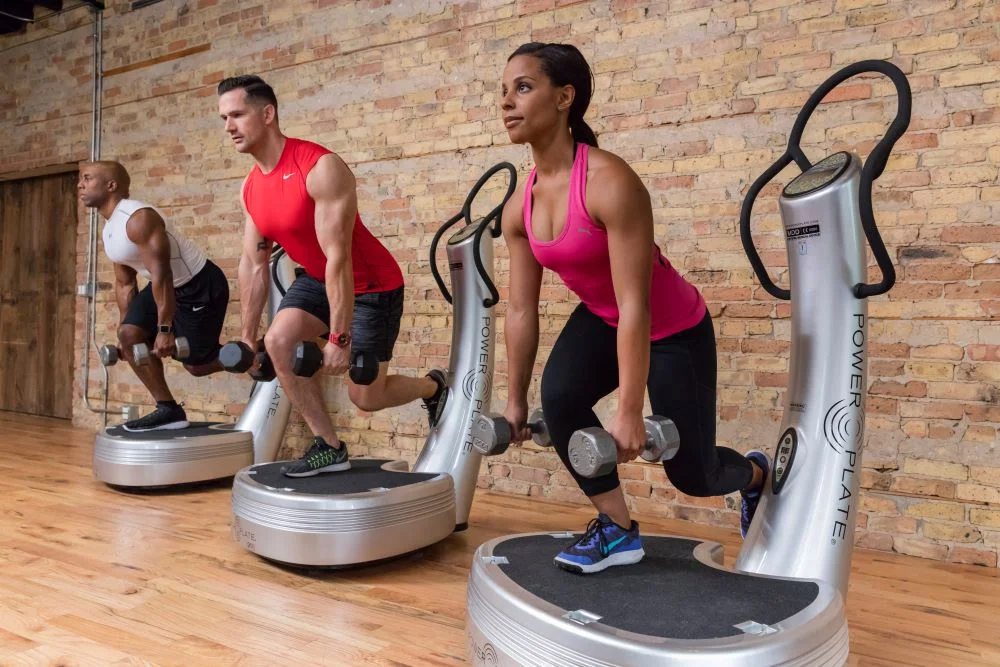
When Are Group Classes the Better Choice?
Group classes may suit people who enjoy shared energy, a fixed schedule, and simpler decision-making. They often help with motivation because the session structure is already set. For general fitness, cardio, flexibility, and routine-building, classes can be an effective and enjoyable option.
- Built-in structure: You can show up and follow a planned session without overthinking it.
- Community: Group energy may improve motivation and make training feel more enjoyable.
- Variety: Different classes can support cardio, strength, mobility, or recovery goals.
- Cost: Classes are often more affordable than one-to-one coaching.
Can You Combine Personal Training and Group Classes?
Yes, combining personal training and group classes often gives people the best of both worlds. Coaching can improve technique, program design, and goal setting, while classes add routine and variety. This mix may work especially well for members who want support without relying on private sessions every day.
FAQ About Choosing the Perfect Gym
These common questions help simplify the decision process for anyone comparing gyms. The best choice usually comes down to consistency, coaching, convenience, and value. A gym should support your goals, feel sustainable for your lifestyle, and make regular training easier rather than more complicated.
What is the most important factor when choosing a gym?
The most important factor is usually consistency. A gym can have excellent equipment and still be a poor fit if it is too far away, too crowded, or uncomfortable to use. The right gym makes regular training realistic, which matters more than chasing the most impressive-looking facility.
Is an expensive gym always better?
No, a higher price does not always mean better results. A premium gym may offer more amenities, but value depends on how well the space supports your goals and routine. A simpler gym with the right equipment, schedule, and coaching may deliver better long-term adherence and progress.
Should beginners choose personal training or classes first?
Beginners often do well with personal training first because it may improve confidence, technique, and exercise selection. Group classes can also work if the environment is supportive and the level is appropriate. The best starting point depends on confidence, coordination, injury history, and preferred learning style.
When should you avoid signing a gym contract right away?
You should avoid signing immediately if you have not tested the gym during your normal training hours or fully reviewed the contract terms. Long commitments can become frustrating when access, equipment availability, or class quality does not match expectations. A trial visit often reveals more than a sales conversation.
Final takeaway: Choose a gym that fits your life, not just your ambition. Prioritize convenience, useful equipment, honest pricing, and the right level of coaching. When the environment supports consistency, movement quality, and steady progress, your training plan becomes easier to maintain for the long term.