
TL;DR: The best personal training in Singapore is not just about hard workouts. It is about finding an experienced coach who can assess your starting point, build a plan around your goal, adapt to your recovery, and help you stay consistent. Good coaching should make progress feel clearer, safer, and more sustainable.
- What Is Personal Training in Singapore?
- Why Expert Guidance Helps You Reach Fitness Goals Faster
- How to Choose the Best Personal Trainer in Singapore
- What Types of Personal Training Programs Should You Expect?
- Why a Private Gym Setting Can Improve Results
- Can Home-Based Personal Training Still Work?
- How to Get Better Results From Your Personal Training
- FAQ
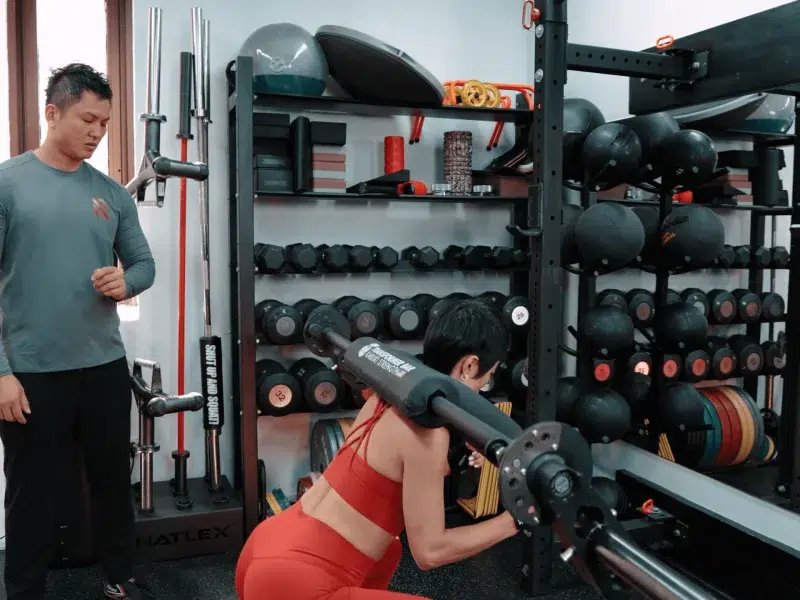
What Is Personal Training in Singapore?
Personal training in Singapore usually means one-to-one or small-group coaching built around your goals, ability, and lifestyle. A good personal trainer does more than count reps. They assess movement, structure workouts, guide recovery, and help you build habits that support fat loss, strength, health, or performance over the long term.
In a busy city, many people need more than general gym access. They need clarity, accountability, and a plan that fits around work, family, stress, and realistic recovery.
Why Do So Many People Use a Personal Trainer?
Many people use a personal trainer because they want faster clarity, better form, and a plan that removes guesswork. A trainer can help beginners start safely, help experienced trainees break plateaus, and help busy adults stay consistent. The real value is often better decisions, not just harder sessions.
That support can matter even more when motivation is low or time is limited. Structure often helps people stay on track when willpower alone is not enough.
- Better structure: A plan removes random training and wasted effort.
- Better guidance: Coaching helps improve form, pacing, and exercise choice.
- Better consistency: Scheduled sessions often improve follow-through.
Why Expert Guidance Helps You Reach Fitness Goals Faster
Expert guidance often helps people reach fitness goals faster because it reduces common mistakes, improves exercise quality, and matches the program to the person. A qualified coach knows when to push, when to simplify, and when to adjust. That usually leads to steadier progress and fewer setbacks than training without a clear plan.
How Does a Good Trainer Improve Progress?
A good trainer improves progress by choosing the right exercises, setting realistic milestones, and adjusting the plan as your body adapts. Instead of guessing what to do each week, you follow a progression with a purpose. That makes training more efficient and often more motivating because results become easier to see.
This is especially helpful for people with fat-loss, strength, or rehab goals that need more than a generic workout. Precision usually beats intensity when results need to last.
Why Is Coaching Better Than Just Following Random Workouts Online?
Personal coaching is better than random online workouts because your body, recovery, schedule, and limitations are individual. Online plans cannot watch your form, respond to pain, or adjust for stress and fatigue. A trainer can give feedback in real time, which usually makes training safer and more effective.
What works for someone else may not fit your movement quality, injury history, or experience level. Good coaching closes that gap.
- Less guesswork: A structured plan often speeds up useful progress.
- Better safety: Coaching may reduce avoidable technique errors.
- Smarter progression: Good trainers match load and volume to your readiness.

How to Choose the Best Personal Trainer in Singapore
The best personal trainer in Singapore is not simply the most expensive or most visible online. The best trainer for you should match your goal, communicate clearly, coach movement well, and build realistic progress. Look for recognized certification, relevant experience, strong listening skills, and a process that feels structured rather than sales-driven.
What Qualifications and Experience Should You Look For?
You should look for a trainer with credible education, recognised certifications, and practical coaching experience that matches your goal. A fat-loss client, a strength-focused trainee, and a rehab-aware adult may all need different strengths from a coach. Good qualifications matter, but the ability to apply them clearly matters just as much.
If injury history is relevant, experience in pain-aware programming and movement regression becomes especially valuable. Technical knowledge should show up in the session, not only on paper.
Why Do Communication Skills Matter So Much?
Communication skills matter because progress depends on trust, clarity, and honest feedback. A strong trainer should explain what you are doing, why it matters, and how to adjust when life gets messy. Good communication often improves adherence, reduces confusion, and makes clients feel supported rather than judged.
You do not need a trainer who only talks well. You need one who listens well, explains well, and adapts well.
How Can Reviews and Testimonials Help?
Reviews and testimonials can help by showing whether clients felt supported, saw progress, and stayed consistent over time. Good testimonials often mention more than appearance changes. They talk about confidence, pain reduction, strength, habit change, and professionalism. Those details usually say more than polished marketing lines.
Longer-term client stories are especially useful because they show whether the trainer can help people stay engaged after the first burst of motivation fades.
- Check credentials: Look for education, certification, and relevant coaching experience.
- Check fit: The trainer’s style should suit your personality and goals.
- Check proof: Testimonials should sound specific and believable.
- Check clarity: The coach should explain process, not only promise results.
What Types of Personal Training Programs Should You Expect?
A strong personal training program should be built around your actual goal, not a one-size-fits-all template. In Singapore, common goals include fat loss, strength and conditioning, general health, mobility, and sports performance. The best programs combine assessment, progression, recovery planning, and realistic lifestyle support instead of only hard workouts.
What Should a Weight-Loss Training Program Include?
A good weight-loss training program should include resistance training, daily activity targets, simple nutrition guidance, and realistic progression. It should aim to improve body composition while protecting muscle, energy, and consistency. The best fat-loss coaching focuses on habits and adherence rather than trying to exhaust you every session.
If body composition is part of your goal, this fits naturally with personal training and broader guidance on sustainable habit-based progress.
What Should a Strength and Conditioning Program Include?
A quality strength and conditioning program should include movement assessment, progressive overload, technique coaching, recovery planning, and performance tracking. It should help you build force, resilience, and confidence without turning every session into chaos. Good strength work usually looks calm, structured, and repeatable rather than random and flashy.
For readers wanting more training detail, strength training guide is a natural supporting resource.
When Is Sports-Specific or Rehab-Aware Coaching More Important?
Sports-specific or rehab-aware coaching matters more when you have movement restrictions, recurring pain, an injury history, or a performance target that needs extra precision. In these cases, the trainer should understand progression, load management, and exercise modification. Better coaching may help reduce setbacks and keep training productive.
If that is your situation, injury rehabilitation coaching becomes especially relevant and should not be treated as an afterthought.
- Fat loss: Needs structure, movement, nutrition support, and consistency.
- Strength: Needs good form, progression, and recovery planning.
- Performance: Needs more precision and target-specific programming.
- Rehab-aware goals: Need careful exercise choice and load management.
Why a Private Gym Setting Can Improve Results
A private gym setting can improve results because it usually offers more focus, less distraction, and more coach attention than a crowded commercial floor. For beginners, busy professionals, and people who feel self-conscious, privacy can make training easier to follow through on. Better environment often leads to better consistency.
How Is a Private Gym Different From a Commercial Gym?
A private gym usually offers a quieter, more controlled training experience, while a commercial gym often offers more foot traffic, more noise, and more waiting for equipment. Neither is automatically better for everyone, but many clients do better in a setting that feels calmer, more personal, and easier to navigate.
This is why choosing the right space matters almost as much as choosing the right coach. Environment can shape confidence and consistency.
Who Usually Benefits Most From a Private Setting?
People who are new to training, returning from injury, short on time, or uncomfortable in crowded gyms often benefit most from a private training environment. It can reduce overwhelm and help clients focus on learning movement properly. A quieter setting may also improve coaching quality because feedback is easier to deliver clearly.
For a fuller comparison, private gym vs commercial gym fits naturally here.
- Less distraction: Clients often focus better in calmer spaces.
- More coaching attention: Feedback is usually easier to deliver well.
- Better comfort: Some clients feel more confident in a private setting.
Can Home-Based Personal Training Still Work?
Home-based personal training can still work very well when the program is clear, the coach is adaptable, and the environment supports regular sessions. It may save travel time and reduce friction for busy schedules. The key is not the location alone. The key is whether the training remains structured, progressive, and consistently executed.
What Are the Main Benefits of Home-Based Training?
The main benefits of home-based personal training are convenience, time savings, and easier scheduling. For busy professionals, parents, or people who dislike travelling to a gym, this can make consistency much easier. A plan that happens regularly at home may deliver better results than a perfect gym plan that keeps getting postponed.
Convenience does not guarantee results, but it often improves adherence, and adherence is one of the biggest drivers of real progress.
What Are the Limits of Training at Home?
The main limits of home-based training are equipment variety, space constraints, and sometimes lower separation between training time and home distractions. Some goals, especially advanced strength or sports performance, may progress faster in a better-equipped facility. Still, strong coaching can do a lot even with simple tools when the plan is built intelligently.
The real question is not whether home training is perfect. It is whether it fits your life well enough to keep happening.
- Main benefit: Lower friction often improves consistency.
- Main challenge: Equipment and space may limit exercise choices.
- Best fit: Works well for busy people who value convenience and structure.
How to Get Better Results From Your Personal Training
Better personal training results usually come from doing the basics well for long enough. Show up consistently, communicate honestly, recover properly, and follow the plan between sessions. The trainer can guide the process, but your results still depend on the quality of your effort, sleep, food choices, and willingness to build habits outside the gym.
What Should Clients Do Between Sessions?
Between sessions, clients should focus on recovery, food quality, hydration, daily movement, and any home exercises or habit targets their trainer sets. Most progress happens because good sessions are supported by good daily choices. Ignoring sleep, food, or movement between workouts often makes the coaching look less effective than it really is.
This is why many strong coaches take a broader approach that links training with everyday habits rather than treating sessions in isolation.
Why Do Realistic Expectations Matter So Much?
Realistic expectations matter because good results usually take time, especially when the goal includes fat loss, strength, and long-term health. Clients who expect instant transformation often get discouraged too early. Better expectations improve patience, consistency, and trust in the process, which usually leads to better outcomes over months rather than days.
That mindset fits well with a more holistic fitness approach, where progress is measured by more than appearance alone.
- Show up regularly: Consistency usually beats intensity.
- Recover properly: Sleep, food, and hydration shape results.
- Be honest: Trainers can adjust better when clients give real feedback.
- Think long term: Sustainable progress is usually the real win.
FAQ
This personal training Singapore FAQ answers common questions people ask before hiring a trainer. The key theme is simple: good coaching should make training safer, clearer, and easier to sustain. A great trainer does not only give exercises. They help you follow a process that actually fits your goal and your life.
How Often Should You See a Personal Trainer?
Many people do well seeing a personal trainer one to three times per week, depending on goal, experience, schedule, and budget. Beginners often benefit from more frequent feedback early on, while experienced clients may need less direct contact. The best frequency is the one that balances guidance, recovery, and long-term consistency.
Is Personal Training Worth It for Beginners?
Yes, personal training is often especially valuable for beginners because it reduces confusion, improves exercise form, and builds confidence early. A good start may help prevent wasted months of random training. For many new clients, the biggest benefit is not faster sweating. It is learning what to do and why.
Should You Choose a Trainer Based Only on Price?
No, choosing a personal trainer based only on price usually misses the bigger picture. Cheaper coaching may cost more in wasted time if it lacks structure, safety, or real progression. Value usually comes from fit, clarity, programming quality, and results you can actually maintain, not just from the hourly rate alone.
When Should You Seek Extra Medical or Rehab Support?
You should seek extra support when pain, dizziness, prior injury, or health conditions make normal training feel uncertain or unsafe. A qualified trainer may still help, but some situations need medical clearance or rehab-aware guidance first. If symptoms are persistent, worsening, or affecting daily function, get professional assessment before pushing harder.
Final takeaway: The top personal training experience in Singapore is usually built on fit, guidance, and consistency, not hype. Choose a trainer who understands your goal, explains the process clearly, and adapts the plan to your life. When coaching, recovery, and realistic effort work together, better results usually follow.