
Exercise is one of the most reliable, lowest-cost, highest-leverage inputs for a stronger immune system. The research is consistent, the dose is realistic, and the side effects are positive rather than negative when done well. Yet most adults underuse exercise as an immune input, then look for the next supplement or superfood when the next cold season arrives. The truth is simpler. Walk, lift, sleep, eat real food, manage stress, and stay consistent. That combination does more for immunity than almost any pill on the shelf. RAW Active’s personal training programmes in Singapore are designed around that combination rather than separate, siloed health goals.
Understanding the Immune System
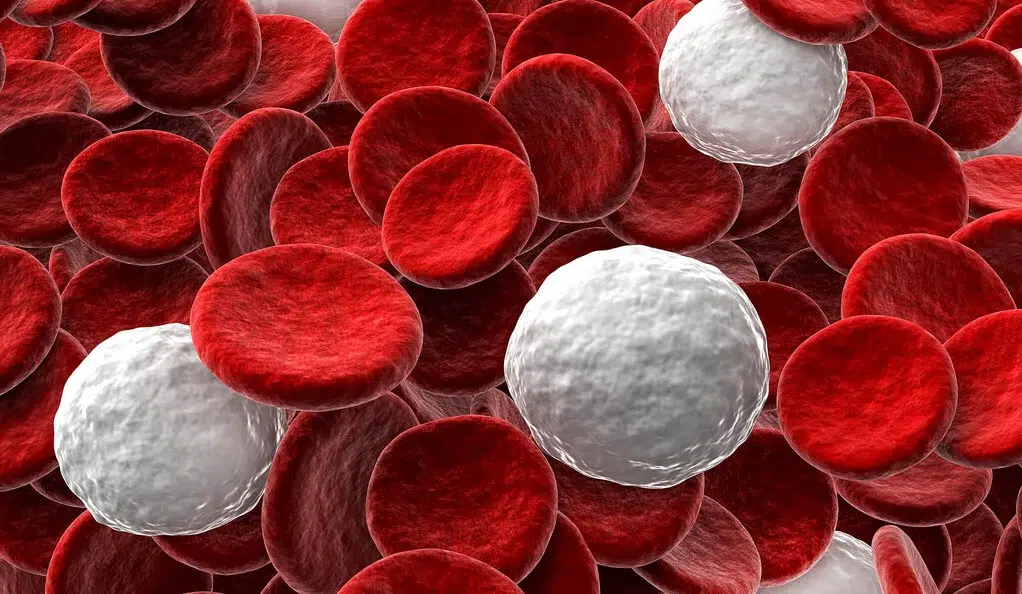
The immune system is a layered network of cells, tissues, and organs that defends the body against viruses, bacteria, fungi, and parasites. The key players are white blood cells, which identify and neutralise threats; antibodies, which target specific pathogens for clearance; bone marrow, which produces the blood-borne immune cells; the thymus, which trains T-cells early in life; the spleen, which filters old or damaged blood cells and supports immune memory; the lymph nodes, which mount rapid local responses; and mucosal barriers in the nose, gut, and lungs, which form the body’s frontline defences.
Two branches work in parallel. Innate immunity is the body’s first responder. It is fast, broad, and ready to attack anything unfamiliar. Adaptive immunity is the slower, more precise system that learns from previous infections, produces antibodies, and remembers threats across decades. Exercise, sleep, nutrition, and stress management support both branches simultaneously, which is why the lifestyle inputs that build fitness also build immune resilience.
Singapore’s hot, humid climate adds a real demand on the immune system. Year-round exposure to circulating respiratory viruses, dense public transport, air-conditioned indoor environments, and travel-heavy work routines all increase baseline immunological load. The adults who handle that load best are the ones whose baseline fitness, sleep, and nutrition are solidly built, not the ones who race to the next pill when fatigue or a sore throat sets in.
How the Immune System Responds to Infections
When a virus or bacterium breaches a frontline barrier, immune triggers cascade in a coordinated sequence. Innate immune cells recognise generic patterns on the pathogen and release chemical signals called cytokines. These cytokines recruit more immune cells to the site of infection, raise body temperature through fever, and slow pathogen replication. Meanwhile, the adaptive immune system ramps up its targeted response. T-cells identify and destroy infected cells. B-cells produce antibodies that neutralise pathogens and tag them for removal. Memory cells preserve the lesson so the next exposure is faster, milder, or invisible. The whole response costs energy, raises inflammation briefly, and then resolves once the threat clears. That resolution phase is the most important. A balanced immune system clears the threat, then returns to a calm baseline.
Many of the uncomfortable symptoms people associate with infection are not caused by the pathogen itself but by the immune system’s coordinate response. Fever, swelling, fatigue, and body aches are all signs of inflammation doing its job. When the response is too weak, infections linger and become severe. When the response is too strong or too slow to resolve, chronic inflammation drives long-term damage to tissues and organs. The goal is balanced immune function: a system that responds rapidly, clears efficiently, and returns to baseline quickly. Lifestyle inputs shape that balance across weeks and years.

The Role of Exercise in Boosting Immunity
Moderate, regular exercise is among the most consistent immune-supportive behaviours in the research. Studies suggest that engaging in regular physical activity reduces the risk of respiratory infections by nearly half compared to sedentary individuals. Other research published in Brain, Behavior, and Immunity found that even a brief 20-minute workout can significantly reduce systemic inflammation and boost the immune system’s ability to mobilise defensive cells. The dose is achievable, and the effect compounds across weeks and months of consistency.
Exercise and Immune Function
Exercise supports immune function through several overlapping mechanisms. First, it improves circulation, which means immune cells patrol the body more efficiently and reach sites of infection faster. Second, it raises body temperature briefly during and after exercise, which mirrors the natural fever response and helps the body clear pathogens. Third, it accelerates lymphatic flow through muscle contraction, which is critical because the lymphatic system has no dedicated pump. Fourth, it lowers systemic inflammation through the long-term anti-inflammatory effects of consistent training. Fifth, it improves sleep quality and depth, which is when most immune repair occurs. These effects stack, which is why regular exercisers tend to recover faster from infections and report fewer sick days overall.
Anti-Inflammatory Effects
Chronic low-grade inflammation is one of the most damaging forces on long-term health. It drives cardiovascular disease, type 2 diabetes, neurodegeneration, mood disorders, and slower recovery from infection. Regular moderate exercise reduces this baseline inflammation through several mechanisms. It lowers visceral fat, which is one of the most inflammatory tissues in the body. It shifts the immune system’s cytokine balance toward anti-inflammatory profiles. It improves insulin sensitivity, which removes a major driver of inflammatory signalling. It supports gut microbial balance, which influences systemic inflammation through the gut-immune axis. Over months and years, this anti-inflammatory effect is what makes exercise a foundational immune input rather than a temporary one.
Stress Hormones and Immunity
Stress and immunity are tightly linked. Chronic stress raises cortisol, which suppresses immune function when sustained at high levels for weeks or months. Exercise modulates that relationship. Acute exercise produces a short cortisol spike followed by a return to baseline, which the body handles well. Regular exercise also improves the body’s ability to recover from stressful events, lowers baseline cortisol over time, and improves sleep, all of which support immune balance. The catch is that chronic overtraining drives cortisol up for prolonged periods and suppresses immune function. Moderation is the operating principle. For adults navigating high-stress workweeks in Singapore, the balancing act is straightforward: train hard enough to stimulate, rest enough to recover, sleep enough to consolidate the gains.
Will Too Much Exercise Cause Adverse Effects?
Yes. The relationship between exercise volume and immune function is not linear. It follows a curve that researchers often describe as the J-curve. Too little exercise leaves the immune system under-stimulated and prone to chronic inflammation. Moderate exercise optimises immune function. Too much exercise, especially at extreme intensities without adequate recovery, suppresses immune function and raises infection risk. The body’s immune competence depends not only on the training load but also on sleep, nutrition, hydration, and stress management. When any of those drop, the optimal training dose shifts downward.
Symptoms of Overexercising
- Persistent fatigue: resting heart rate elevated, energy levels lower than usual, and a sense of heaviness that does not resolve with sleep.
- Elevated resting heart rate: a sustained rise of 5 to 10 beats per minute above baseline for several days indicates incomplete recovery.
- Poor sleep despite exhaustion: falling asleep is hard, sleep is restless, or waking unrefreshed remains the norm.
- Frequent illness: recurring colds, sore throats, or slow wound healing suggest suppressed immune function.
- Mood disturbance: irritability, loss of motivation, and reduced training drive often appear before physical symptoms.
- Joint pain or persistent soreness: niggles that do not clear between sessions indicate systemic overload.
If three or more of these symptoms persist for more than ten days, reduce training volume by roughly a third for one full week, add an extra rest day, focus on sleep and nutrition, and reassess at the end of the week. A structured recovery plan lives inside the RAW Active recovery pyramid and art of rest for training explainers.
The J-Curve Theory Explained
The J-curve theory, popularised by exercise immunologist Dr. David Nieman, describes the relationship between exercise intensity and infection risk in a curve shaped like the letter J. Adults who do little or no exercise sit at the bottom of the J, with infection risk slightly higher than the moderate-active group. Adults who do moderate, regular exercise sit near the bottom-right of the J, with the lowest infection risk. Adults who do extreme, prolonged exercise sit at the top right of the J, with infection risk temporarily higher than even the sedentary group. The key insight is that more exercise is not always better for immune function. The goal is the moderate optimum, which for most adults falls in the 150 to 300 minutes of moderate aerobic activity per week range plus two to three strength sessions.
Optimal Exercise Dose for Immune Support
The guidance is simple and well-supported by research. Aim for 150 minutes of moderate aerobic activity per week, plus two strength training sessions. Moderate aerobic activity means exercise that raises heart rate into the 50 to 70 percent of maximum range and allows conversation, although sentences are short. Strength training covers the major muscle groups with progressive load. Daily walking provides the floor of activity. Singapore’s hot, humid climate means most aerobic work happens indoors or in air-conditioned gyms, on shaded park connectors at dawn, or in evening sessions after 7pm. The RAW Active strength training guide, NEAT and energy balance, and strength before versus after cardio pages show how these inputs slot together.
Adapting Exercise During Isolation or Busy Periods
Isolation, travel-heavy work weeks, hospital recovery, or sudden calendar pressure can disrupt the most consistent exercise routine. The best response is not to abandon the plan but to scale it. Maintain the activity habit, even when duration shifts downward. A 15-minute movement break repeated four times a day preserves the behavioural momentum and most of the physiological benefit. The body keeps its immune-supporting baseline when the activity stays regular, even if intensity drops temporarily.
Strategies for Staying Active During Busy or Restricted Periods
- Daily micro-workouts. Three 10-minute movement blocks count as much as one 30-minute session when consistency is the priority.
- Walk or cycle for errands. Replace a short taxi ride with a brisk walk or a bike ride to weave activity into the working day.
- Use household items for resistance. Backpacks, water jugs, chairs, and stairs all support bodyweight or improvised-loaded training.
- Try a follow-along video. Twenty to thirty minutes of structured movement at home keeps the habit strong.
- Maintain morning movement. Even a 10-minute walk first thing anchors the day and protects sleep quality.
- Use stairs at every opportunity. Two minutes of stair climbing between meetings adds up to a meaningful weekly dose.
- Protect sleep. Sleep is the immune system’s most powerful tool. Seven to nine hours nightly with a fixed schedule is non-negotiable.
- Stay hydrated. Singapore’s climate accelerates fluid loss. The RAW Active hydration strategies page covers daily targets and electrolyte timing.
What Types of Exercise Are Best for Immunity?
Multiple exercise types contribute to immune support in slightly different ways. The best plan uses a combination rather than a single form.
- Walking: the highest return on time for most adults. Aim for 7,000 to 10,000 daily steps with at least 20 to 30 minutes at conversational pace.
- Easy cycling: low-impact aerobic work that pairs well with knee-sensitive lifters or those returning from injury.
- Swimming: full-body aerobic work with minimal joint load, ideal in Singapore’s climate.
- Strength training: builds lean mass, raises resting metabolic rate, and supports immune competence. Two to three sessions per week covers most adults.
- Mobility and breath work: lowers stress hormones, supports recovery, and improves sleep onset. Useful as a daily 10-minute practice.
- Mixed circuits: combines aerobic and strength into one session. Time-efficient for working adults. Useful resources include strength training in Singapore, functional training for balance, and physical training.
Recovery, Nutrition, and Hydration as Immune Inputs
Exercise is one piece of a four-piece immune puzzle. The other three are sleep, nutrition, and hydration. Together, they produce the strongest immune baseline of any lifestyle combination.
- Sleep: seven to nine hours nightly with a fixed bedtime and wake time. Adults who sleep fewer than six hours consistently show measurably weaker immune responses.
- Nutrition: protein in the 1.6 to 2.0 grams per kilogram range, plenty of vegetables, omega-3 fats, whole grains, and limited added sugar. For Singapore-specific food guidance, the personal training and nutrition and mooncake guide pages show how favourite local foods fit an immune-supportive pattern.
- Hydration: two to three litres of water daily, with extra electrolytes on training days. The hydration strategies page covers practical intake targets for Singapore’s climate.
- Stress recovery: breath work, mindfulness, social connection, and hobbies lower cortisol and protect immune function. The broader holistic approach mindset ties it all together.
How Overtraining Suppresses Immune Function
Extreme, prolonged exercise temporarily suppresses immune function through several mechanisms. Sustained high-intensity work depletes mucosal immune resources in the nose and throat, leaving the body less defended against airborne viruses. Cortisol rises for prolonged periods after intense training blocks, suppressing lymphocyte activity. Sleep often becomes shallower or shorter under heavy training loads. Gut permeability can shift under extreme exertion, increasing systemic inflammation. The recovery period usually lasts a few days to a week, which is why the window for catching a cold after a marathon or a brutal training camp is so well documented. The fix is simple in principle: train hard enough to stimulate, recover fully between hard blocks, and avoid stacking intensity without adequate rest.
Case Study: How a Working Adult’s Week Supports Immunity
Consider a 35-year-old Singapore executive with a packed calendar. The immune-supportive week might look like this:
- Monday: 30 to 45 minutes of strength training at RAW Active with a coach, focused on compound lifts and core work.
- Tuesday: 30 minutes of Zone 2 cardio, either indoor cycling or a brisk walk on a shaded park connector.
- Wednesday: 30 minutes of mobility and breath work at home, then a 15-minute afternoon walk between meetings.
- Thursday: 30 to 45 minutes of strength training, this time focused on unilateral balance and rotation.
- Friday: 60 minutes of easy aerobic work outdoors, ideally before dawn or after 7pm to avoid peak heat.
- Saturday: Long walk, hike, swim, or a HYROX-style mixed session.
- Sunday: Active recovery. Mobility flow, family time, and an early wind-down routine.
That week delivers roughly 180 minutes of moderate aerobic activity, two strength sessions, daily walking, and consistent sleep support. It is realistic for a working adult in Singapore, and it sits squarely inside the J-curve optimum.
Special Considerations for Older Adults
Immune function declines with age through a process called immunosenescence. The thymus shrinks, naive T-cell production drops, vaccine responses weaken, and chronic low-grade inflammation rises. Exercise is one of the few interventions that measurably slows this decline. Two strength sessions and 150 minutes of moderate aerobic activity each week preserve lean mass, improve vaccine responses in clinical trials, and reduce infection severity in older adults. For seniors in Singapore, prioritising strength training is especially valuable because muscle mass correlates directly with immune competence. The RAW Active five tips to keep your immune system strong page, the retention hub, and the best personal trainers for injury rehabilitation page all support lifelong strength and immune resilience.
Can Exercise Help When You Are Already Sick?
Light movement often helps during the early stages of a mild illness, but training intensity should drop significantly. The rule of thumb: if symptoms are above the neck, light activity is usually safe. If symptoms are below the neck (chest congestion, body aches, fever, productive cough), rest is the safer call. Pushing through moderate or severe illness with hard training suppresses immune function further. Light walking, breath work, and careful hydration are appropriate. Full training resumes only when symptoms clear and energy returns to baseline. Many lifters shorten this transition by training diligently when well, which builds the immune reserve that supports faster recovery during these dips.
The Connection to Cellular Longevity
Immune function and cellular aging share the same underlying levers. Telomere maintenance, mitochondrial quality, sleep quality, and systemic inflammation all sit at the intersection of immunity and longevity. The RAW Active explainer on cellular youthfulness, telomeres, and lifestyle changes covers the wider picture, and the immune-supportive habits described here are the same habits that support cellular resilience. Strength training, sleep, smart nutrition, hydration, and stress recovery all act on both systems.
Frequently Asked Questions
How does exercise boost the immune system?
Exercise boosts the immune system by improving circulation so immune cells patrol more efficiently, raising body temperature briefly to mimic fever, accelerating lymphatic flow through muscle contraction, lowering chronic inflammation over time, and improving sleep quality. Together, these effects support both innate and adaptive immune responses and reduce infection severity and duration. Research suggests regular moderate exercise cuts respiratory infection risk by nearly half.
What types of exercise are best for boosting immunity?
The best exercise plan for immunity combines moderate aerobic activity and strength training. Two to three strength sessions and 150 to 300 minutes of moderate aerobic work per week cover most adults. Walking, easy cycling, swimming, mobility work, and breath work all contribute. Variety matters more than any single exercise type.
Can too much exercise weaken the immune system?
Yes. Excessive training, especially sessions beyond 90 minutes of high-intensity work without adequate recovery, temporarily suppresses immune function. Symptoms include lingering fatigue, elevated resting heart rate, poor sleep, recurring colds, joint soreness, and mood disturbance. Reduce training volume, prioritise recovery, and reassess when symptoms appear.
How often should I exercise to see immune-boosting benefits?
For most adults, two strength sessions and 150 to 300 minutes of moderate aerobic activity per week produce measurable immune benefits. Daily walking provides the floor of activity. Consistency matters more than intensity. Lifters who train four sessions a week with reasonable intensity and good recovery enjoy stronger immune baselines than weekend warriors.
Can exercise help if I am already sick?
Light activity, such as a gentle walk or breath work, often helps during mild, above-the-neck illnesses like a head cold. Rest is the safer call for chest congestion, fever, body aches, or productive coughs. Full training resumes only when symptoms clear and energy returns to baseline.
How does exercise impact stress and immunity?
Regular exercise lowers baseline cortisol, improves the body’s recovery from stressful events, and supports better sleep. Each of those effects strengthens immune function. Extreme training without recovery has the opposite effect, raising cortisol and suppressing immune competence.
Are there specific exercises recommended for immune health?
No single exercise drives immune outcomes on its own. The combination of strength training, aerobic work, mobility, and breath work supports immune function broadly. Strength training, in particular, preserves lean mass and metabolic health, which translates to more effective immune responses across the lifespan.
How can I maintain my immune health through exercise as I age?
Two strength sessions per week, daily walking, and 150 to 300 minutes of moderate aerobic activity each week preserve immune function as ageing proceeds. Sleep, nutrition, and stress recovery remain critical. For Singapore adults over 50, the benefits of strength training for women, strength training fundamentals, and rehab training pages build the rest of the picture.
Conclusion
Exercise is among the most powerful immune-supportive tools available, and it is accessible to almost every adult in Singapore. Two strength sessions and 150 minutes of moderate aerobic activity each week, paired with seven to nine hours of nightly sleep, good nutrition, adequate hydration, and stress recovery, builds the kind of immune competence that supports long-term health and resilience. The J-curve tells us that moderation is the goal. The lifestyle inputs that build athletic fitness also build immune resilience. RAW Active’s personal training programmes are designed around that combination rather than training in isolation, with two central studios at Orchard and other neighbourhood locations. To start a personalised immune-supportive plan, contact RAW Active or book a free consultation today.