
TL;DR: Good personal training in Singapore should give you structure, movement coaching, realistic progression, and a plan that fits your schedule. Look for a trainer who assesses first, explains clearly, and adjusts for recovery, pain history, and long-term goals. The right setup makes consistency easier and guesswork smaller.
- What Is Personal Training in Singapore?
- How to Choose a Personal Trainer
- How Much Does Personal Training Cost?
- Why Private Studios Can Work Well
- How a Good Training Plan Should Work
- When to Seek Extra Support
- Personal Training Singapore FAQ
What Is Personal Training in Singapore?
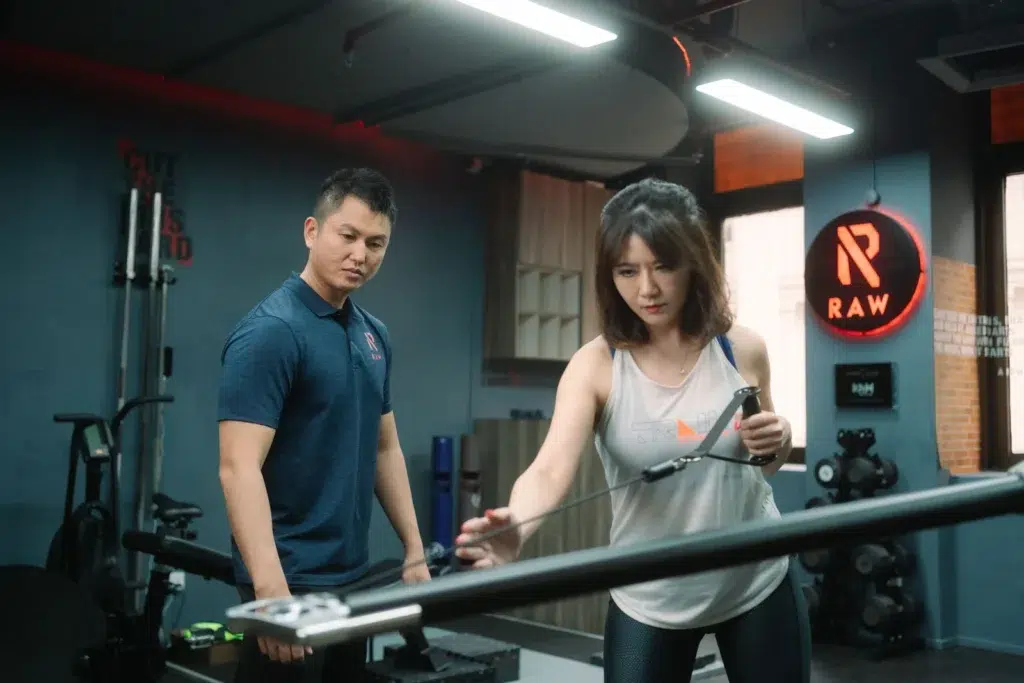
Personal training in Singapore is one-to-one or small-group coaching built around your goals, schedule, fitness level, and recovery needs. A good trainer does more than count reps. They assess movement, plan progression, coach technique, and help you train safely and consistently for strength, fat loss, rehab, or general health.
Different settings suit different people. Some prefer big gyms with lots of equipment, while others do better in quieter private studios where attention and structure are easier to maintain.
- Commercial gyms: More equipment and more branches, but often busier and less private.
- Boutique studios: Stronger atmosphere and community, but coaching depth may vary.
- Private studios: More privacy, more focus, and usually a more assessment-led process.
How to Choose a Personal Trainer
The best personal trainer for you is someone who can assess clearly, coach simply, and build a plan that matches your body and lifestyle. Good coaching is not just motivation. It includes movement quality, load management, recovery planning, and honest progression that you can actually sustain.
What Credentials Should a Singapore Personal Trainer Have?
A Singapore personal trainer should usually hold recognised certifications such as ACE or NASM, plus practical coaching experience. Credentials alone do not guarantee good coaching, but they do show baseline education in programming, movement, and safety. Experience with your goal, age group, or injury background also matters.
- Look for recognised education: International certifications often provide a stronger baseline than vague in-house titles.
- Ask about experience: Fat loss, strength, older adults, and rehab-aware coaching require different skills.
- Check communication: A good coach should explain clearly, not hide behind jargon.
Why Is a Fitness Assessment Important Before Training?
A proper fitness assessment is important because it gives the trainer a starting point for exercise choice, intensity, and progression. Without it, your program may be generic and less safe. Good assessments often include movement screening, injury history, posture, strength baselines, and tools like body composition analysis.
- Movement screen: Helps identify restrictions, weak links, or patterns that need attention.
- Health and injury history: Useful for avoiding exercises that may flare old issues.
- Baseline testing: Makes progress easier to measure and programming easier to adjust.
Why Do Location and Schedule Matter So Much?
Convenience matters because even the best training plan fails when it does not fit real life. A studio near home, work, or MRT access often improves attendance and reduces missed sessions. Long-term progress usually depends more on repeatable scheduling than on finding a perfect workout that you cannot sustain.
- Shorter travel time: Less friction often means better consistency.
- Flexible session times: Useful for busy professionals with changing work hours.
- Predictable routine: Regular training times often support better adherence and recovery.
How Much Does Personal Training Cost?
Personal training rates in Singapore usually depend on setting, coach experience, privacy, and service depth. Lower-cost options may provide a basic session only, while higher-cost studios may include more assessment, program design, technique coaching, and accountability. The real question is not just price per hour, but what support you actually receive.
Based on the source page, a realistic 2026 range is about $60 to $100 for condo or mobile trainers, $90 to $130 in commercial gyms, and $130 to $250+ for private coaching studios. Pricing may vary by package length, trainer seniority, and facility model.
- Lower-priced options: Often more convenient, but may include fewer assessment and coaching layers.
- Mid-range gym PT: Can work well, though membership fees may add up.
- Private studio coaching: Usually costs more, but often offers more privacy and structure.
- Value check: Ask whether the fee covers program updates, tracking, and recovery-aware coaching.
Why Private Studios Can Work Well
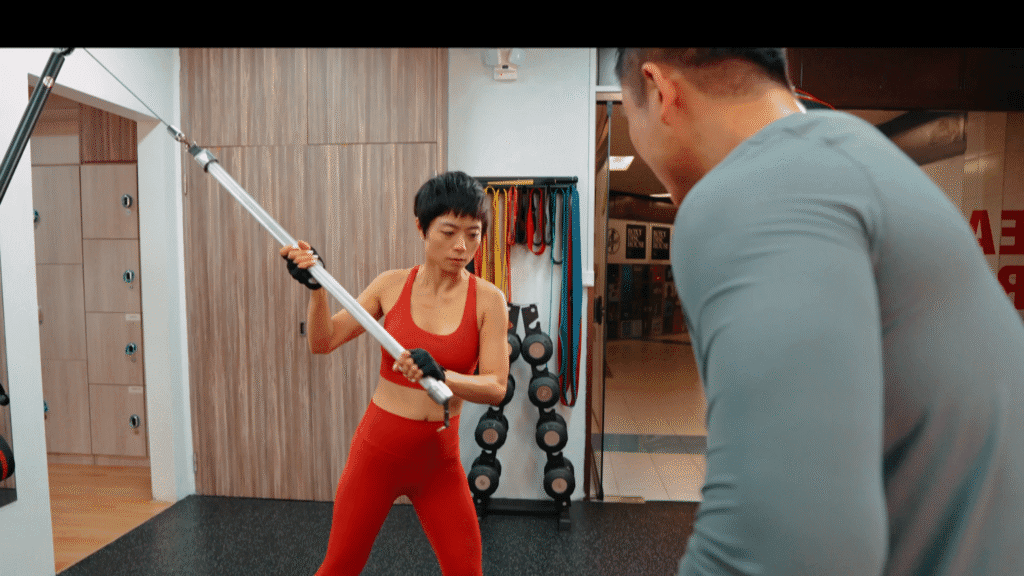
Private personal training studios can work well because they reduce distractions and allow the coach to focus fully on your movement, pacing, and progression. For some people, that makes training feel safer, more efficient, and easier to stick with. Privacy is not essential for everyone, but it often helps beginners and busy adults.
What Is the Anti-Gym Model?
An Anti-Gym model is a private, appointment-based training setup that focuses more on coaching than on general gym access. Instead of paying mainly for floor space and equipment, you are paying for attention, planning, and a structured process. RAW Active uses this model to keep sessions focused and data-led.
If you want to explore the service directly, RAW Active’s personal training page gives a clear starting point for consultation and assessment-led coaching.
Who Benefits Most From a Private Training Studio?
Private studios often suit beginners, busy professionals, and people with past injuries or low confidence in crowded gyms. A quieter setting may improve focus and make coaching easier to follow. It can also support better movement quality when the trainer is not splitting attention across several members.
- Beginners: Useful if gym culture feels intimidating or confusing.
- Professionals: Helpful when time is limited and each session needs to be efficient.
- Rehab-aware clients: Better for people who need closer monitoring of pain, mobility, or technique.
- Older adults: A private setting may support safer pacing; see fitness over 50.
How a Good Training Plan Should Work
A good training plan should match your current level, move in clear phases, and adjust as your body adapts. It should not feel random from session to session. The best plans combine movement quality, strength, recovery, and progressive overload without rushing intensity before technique and tolerance are ready.
What Should Beginners Focus On First?
Beginners should usually focus on movement basics, breathing, coordination, and simple strength patterns before chasing heavy loads or hard circuits. This builds a better foundation for long-term progress. Learning how to squat, hinge, push, pull, brace, and recover well often matters more than chasing exhaustion early.
- Movement quality: Clean technique usually comes before hard progression.
- Breathing and bracing: These often support posture, control, and confidence.
- Simple strength work: Basic patterns create a more durable base for later goals.
How Should Training Progress Over Time?
Training should progress by gradually increasing load, skill, or volume while keeping recovery in mind. A strong coach adjusts the plan as your body and schedule change. Over time, the program may shift from basics to more targeted strength training, performance work, or lifestyle-focused body composition goals.
- Beginner phase: Learn technique and build consistency.
- Intermediate phase: Improve load management, training intent, and exercise quality.
- Advanced phase: Use more precise progress tracking and performance-focused programming.
- Recovery check: Sleep, stress, soreness, and work demands should influence session planning.
When to Seek Extra Support
You should seek extra support when pain, past injury, major mobility limits, or medical conditions affect your ability to train safely. A good trainer can work within their scope, but some situations need a more rehab-aware plan or input from a qualified healthcare professional. Responsible coaching should stay clear about that line.
- Seek rehab-aware coaching: If old injuries keep returning or certain movements always flare symptoms.
- Get medical clearance: If you have unexplained chest pain, dizziness, major joint swelling, or other concerning symptoms.
- Use a team approach: Some clients do best with both coaching and healthcare support.
- Stay realistic: Training often helps, but it is not a substitute for medical diagnosis or treatment.
Personal Training Singapore FAQ
This FAQ covers the most common questions about personal training in Singapore, including value, frequency, and what to expect from a first session. The main idea is simple: choose a trainer who assesses properly, coaches clearly, and builds a plan you can follow consistently without unnecessary complexity.
Is Personal Training Worth It in Singapore?
Personal training can be worth it in Singapore if you want more structure, better technique, and less guesswork. It often helps people who struggle with consistency, confidence, or program design. The value usually depends on coaching quality, not just session price or the amount of equipment in the room.
How Many Personal Training Sessions Per Week Do Most People Need?
Most people do well with one to three personal training sessions per week, depending on their goals, budget, experience, and recovery capacity. One good session can build structure if you also train alone. More sessions may help beginners, busy clients, or those who need closer support and accountability.
What Should You Expect From Your First Personal Training Session?
Your first personal training session should usually include a conversation about goals, health history, schedule, and previous injuries, followed by some form of movement or baseline assessment. It should not feel like a random punishment workout. Good first sessions create clarity, not confusion or pressure.
Can Personal Training Help With Fat Loss, Strength, or Healthy Aging?
Yes, personal training can help with fat loss, strength, and healthy aging when the program is realistic and paired with good nutrition, recovery, and long-term adherence. Results vary by person, but structured coaching often makes progress easier to measure and easier to maintain over time.
Final takeaway: Choose a trainer who assesses properly, explains clearly, and builds a plan around your real life. The best personal training is not about being crushed every session. It is about moving better, progressing safely, recovering well, and staying consistent long enough for the work to matter.