
TL;DR: Senior fitness is about staying strong, steady, mobile, and independent as you age. The best plan usually includes walking or cardio, strength training, balance work, flexibility, enough protein, and a pace that feels safe and sustainable. Start gradually, stay consistent, and get guidance if pain, medical issues, or low confidence are limiting you.
- What Is Senior Fitness?
- What Are the Benefits of Exercise for Older Adults?
- What Are the Best Types of Exercise for Seniors?
- What Challenges Make Senior Fitness Harder?
- How to Create a Safe and Effective Fitness Plan for Seniors
- How Diet and Hydration Support Senior Fitness
- How to Stay Motivated With Exercise in Older Age
- FAQ About Senior Fitness
What Is Senior Fitness?
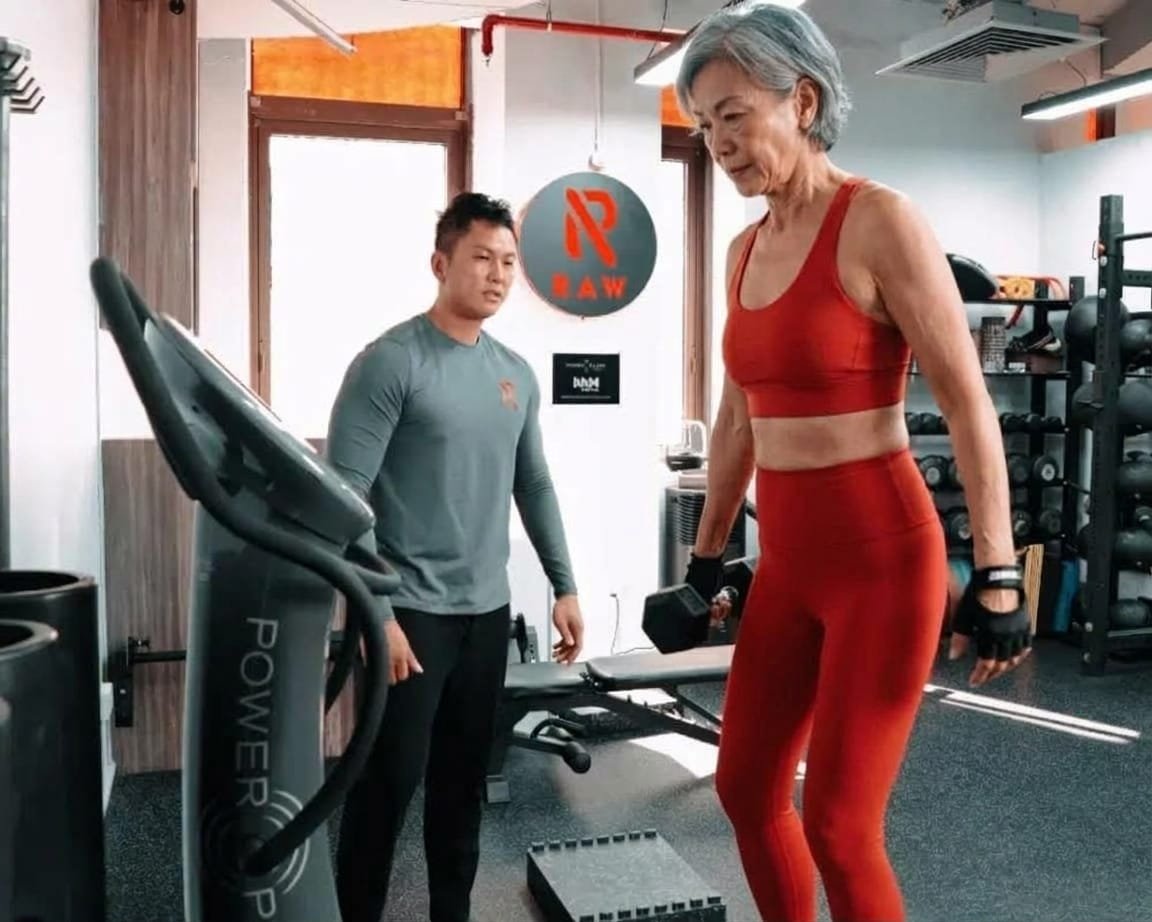
Senior fitness is exercise designed to help older adults maintain strength, balance, mobility, endurance, and independence. A good senior fitness plan supports healthy aging by improving how the body moves and copes with daily life. The goal is not extreme training, but safer movement, better function, and more confidence.
Senior fitness is about staying capable, not chasing perfection. It helps older adults handle walking, stairs, lifting, getting up from a chair, and other daily tasks more comfortably.
A well-designed plan also respects recovery, health conditions, and current ability. That makes it more sustainable and more useful over the long term.
Why Does Fitness Matter More With Age?
Fitness matters more with age because the body naturally loses muscle mass, bone density, coordination, and exercise tolerance over time. Regular movement can slow that decline and help older adults stay mobile and independent. The right training approach may also improve confidence, reduce fall risk, and support better overall health.
This is especially important when everyday tasks begin to feel harder. Small gains in strength and balance can make a big practical difference.
What Are the Benefits of Exercise for Older Adults?
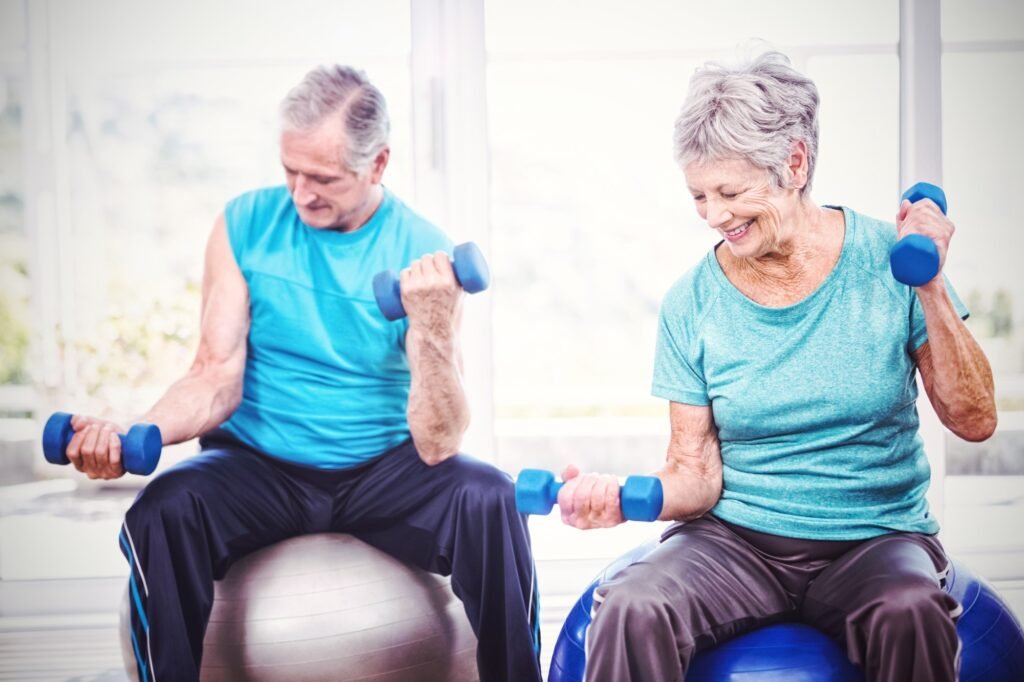
The main benefits of exercise for seniors include better heart health, stronger muscles, improved balance, healthier bones, sharper thinking, and better mood. Regular physical activity may also support blood sugar control, sleep quality, and long-term independence. For many older adults, exercise improves both function and quality of life.
These benefits matter because aging affects more than one system at a time. Exercise helps support the body and brain together.
That makes movement one of the most practical tools for healthy aging. Even moderate exercise can add real value when done consistently.
What Are the Physical Health Benefits of Senior Exercise?
Senior exercise may improve cardiovascular health, muscle strength, bone density, flexibility, balance, and body composition. It can also support healthier blood pressure, cholesterol, and insulin sensitivity. These changes can make daily activities easier and may help reduce the risk of falls, frailty, and common age-related health problems.
- Heart health: Cardio exercise may support blood pressure and circulation.
- Muscle strength: Resistance training helps fight age-related muscle loss.
- Bone support: Exercise may help maintain bone strength and reduce frailty.
- Fall prevention: Better balance and leg strength improve stability.
How Does Exercise Support Mental Health in Older Adults?
Exercise supports mental health in older adults by improving mood, reducing stress, supporting sleep, and helping the brain stay engaged. Regular movement may also help reduce symptoms of anxiety and depression. For many seniors, exercise provides both emotional lift and a stronger sense of routine, purpose, and confidence.
Movement can also encourage social contact and structure. That often helps older adults stay more positive and more connected to daily life.
What Are the Best Types of Exercise for Seniors?
The best exercise for seniors usually includes a mix of cardio, strength training, balance work, and flexibility. Each type helps with a different part of healthy aging. A balanced program improves endurance, stability, joint movement, and strength, which together support safer movement and better function at home and outside.
No single exercise does everything well. That is why a mix usually works better than relying on walking alone or stretching alone.
The best plan is also the one a person can stick with. Enjoyment, safety, and confidence matter just as much as exercise type.
Why Is Cardio Important for Senior Fitness?
Cardio exercise is important for senior fitness because it helps maintain heart health, improve endurance, support bodyweight control, and make daily tasks feel easier. Walking, cycling, swimming, and other low-impact options can work well. Good cardio training should feel sustainable, not exhausting, especially for beginners or older adults with health concerns.
Cardio also helps older adults keep doing more with less fatigue. For broader context, see cardiovascular fitness.
Why Is Strength Training Necessary for Older Adults?
Strength training for seniors is important because it helps slow sarcopenia, the age-related loss of muscle mass and strength. Stronger muscles improve posture, walking, balance, and daily function. Resistance exercise may also support bone health, joint control, and confidence, especially when older adults begin to feel physically weaker.
- Fight muscle loss: Strength work helps preserve useful muscle mass.
- Improve daily function: Lifting, climbing, and standing become easier.
- Support bone health: Resistance training may help maintain stronger bones.
- Build confidence: Feeling stronger often improves movement confidence.
For deeper guidance, see strength training.
Why Are Balance and Flexibility Important for Seniors?
Balance and flexibility training help older adults move more safely, stay steadier on their feet, and reduce stiffness that can limit confidence or comfort. Balance work supports fall prevention, while flexibility supports smoother movement and better range of motion. Together, they help everyday movement feel easier and less restricted.
- Balance: Helps reduce fall risk and improve coordination.
- Flexibility: Supports easier movement and less stiffness.
- Body awareness: Better control often improves posture and movement confidence.
For a related topic, see functional training for balance.
What Challenges Make Senior Fitness Harder?
Senior fitness can be harder because aging brings physical, emotional, and practical challenges. Common barriers include reduced muscle mass, lower confidence, joint pain, chronic conditions, fear of injury, and confusion about what exercise is safe. Many older adults also face myths that make them think exercise is too risky or no longer useful.
These challenges are real, but they are not always permanent. Good programming can work around them.
Many barriers improve once the person starts with the right level. Safety, guidance, and early wins often make exercise feel much more approachable.
What Are the Common Myths About Exercise and Aging?
Common myths about exercise and aging include the idea that exercise is dangerous for seniors, that it is too late to start, or that people with chronic conditions should avoid activity. In reality, many older adults benefit from sensible training. The key is proper progression, appropriate exercise choice, and good professional guidance when needed.
- Myth: Exercise is too dangerous for older adults.
- Reality: Well-chosen exercise is often safer than staying inactive.
- Myth: It is too late to improve strength or balance.
- Reality: Progress is often possible even when starting later in life.
Why Do Some Seniors Struggle to Stay Active?
Some seniors struggle to stay active because exercise may feel intimidating, painful, boring, or disconnected from real-life goals. Others are dealing with fatigue, health conditions, low confidence, or poor past experiences. The best solution is usually to make movement simpler, safer, and more meaningful rather than trying to force motivation.
Enjoyable activities often work better than overly technical routines. Progress tends to last longer when the person feels capable and supported.
How to Create a Safe and Effective Fitness Plan for Seniors
A safe and effective fitness plan for seniors starts with current ability, health status, and practical goals. The best programs begin gradually, include recovery, and use exercises that improve daily function. Medical input may be useful when someone has chronic pain, recent injury, balance issues, or conditions that affect exercise tolerance.
Starting too hard is one of the fastest ways to lose momentum. Older adults usually do better with a slower, more structured ramp-up.
The right plan should feel challenging but manageable. That creates progress without overwhelming the body or confidence.
How Should Seniors Start Exercising Safely?
Older adults should start exercising safely by choosing low- to moderate-intensity activities, building up slowly, and paying close attention to pain, dizziness, and excessive fatigue. A medical check-up may be helpful before starting, especially with heart issues, balance problems, or chronic disease. Safety improves when the program matches the person, not the trend.
- Start small: Walking, light resistance work, and simple balance drills work well.
- Progress gradually: Add time, load, or difficulty step by step.
- Watch body signals: Stop if pain, dizziness, or unusual fatigue appears.
- Get support: Guidance may help if confidence or medical issues are concerns.
What Are Good Activities for Older Adults?
Good activities for older adults usually include walking, swimming, cycling, light strength training, senior yoga, tai chi, and simple balance exercises. These options can improve endurance, stability, flexibility, and strength without excessive joint stress. The best activity is one that feels safe, repeatable, and suited to the person’s goals and current condition.
- Walking: Simple, accessible, and useful for general endurance.
- Swimming: Low-impact option that is easier on the joints.
- Strength work: Helps maintain muscle and function.
- Tai chi or yoga: Supports balance, mobility, and calm movement.
How Should Seniors Exercise With Injuries or Health Conditions?
Seniors with injuries, disabilities, or chronic health conditions should adjust exercise, not assume they must stop. The right program may use lower-impact options, reduced range of motion, assistive support, or slower progression. Professional guidance is often helpful when pain, balance limits, or medical concerns make training feel less straightforward.
The aim is usually to find what the body can still do safely. That often leads to more confidence and less fear around movement.
How Diet and Hydration Support Senior Fitness
Nutrition and hydration are key parts of senior fitness because the body needs enough fuel, protein, and fluids to recover from exercise and maintain muscle. Older adults who eat too little protein or stay poorly hydrated may feel weaker, recover more slowly, and struggle to maintain activity levels over time.
Exercise works better when nutrition supports it. Food and hydration help the body adapt to training instead of just surviving it.
This is especially important for seniors trying to maintain strength, energy, and balance. Recovery becomes harder when basic fueling is inconsistent.
What Should Older Adults Eat to Support Exercise?
Older adults should eat enough protein, carbohydrates, healthy fats, and nutrient-rich whole foods to support training and recovery. Protein helps maintain muscle, carbohydrates help supply energy, and omega-3 fats may support joint and heart health. The exact plan depends on appetite, activity level, and medical needs.
- Protein: Supports muscle repair and helps fight age-related muscle loss.
- Carbohydrates: Help provide energy for exercise and recovery.
- Healthy fats: May support joint, brain, and heart health.
- Whole foods: Help cover vitamins, minerals, and overall nutrition quality.
Why Is Hydration Important for Senior Fitness?
Hydration is important for senior fitness because dehydration can worsen fatigue, dizziness, poor concentration, and exercise tolerance. Older adults may not always notice thirst clearly, so drinking regularly can matter more. Good hydration supports circulation, recovery, and safer training, especially in warm climates or during longer activity sessions.
Hydration also becomes more important when medication, heat, or lower appetite affect fluid intake. For a related topic, see energy balance.
How to Stay Motivated With Exercise in Older Age
Older adults stay motivated with exercise when the plan feels realistic, enjoyable, and connected to everyday life. Clear goals, social support, progress tracking, and activities that feel meaningful often improve consistency. Motivation usually grows after action starts, so the best strategy is often to make exercise simple enough to repeat.
Many people wait to feel motivated before they begin. In practice, motivation often comes after a few weeks of seeing small wins.
That is why consistency matters more than intensity. A routine that fits daily life is easier to keep going.
How Do SMART Goals Help Senior Fitness?
SMART goals help senior fitness by making progress clearer and more manageable. Goals that are specific, measurable, achievable, relevant, and time-bound give older adults a practical target to work toward. This often improves confidence, makes progress easier to notice, and helps exercise feel more purposeful instead of random.
- Specific: Choose a clear target, such as walking 20 minutes three times weekly.
- Measurable: Track sessions, steps, or strength improvements.
- Achievable: Set a goal that fits current ability and recovery.
- Relevant: Link the goal to independence, health, or confidence.
How Does Social Support Help Older Adults Stay Active?
Social support helps older adults stay active by making exercise more enjoyable, accountable, and emotionally rewarding. Walking with a friend, joining a group class, or volunteering in active settings can increase consistency. For many seniors, connection matters just as much as the workout because it adds purpose and routine.
Exercise can feel easier when it is shared. Support also helps on low-energy days when motivation is less reliable.
FAQ About Senior Fitness
This senior fitness FAQ answers common questions about safety, starting later in life, exercise types, and chronic conditions. Each answer is designed to be short, practical, and easy to scan. The goal is to help older adults and families understand what matters most when building a safer and more effective exercise routine.
Is It Too Late to Start Exercising as a Senior?
No, it is usually not too late to start exercising as a senior. Many older adults improve strength, balance, mobility, and endurance even when they begin later in life. The key is to start at the right level, progress gradually, and choose activities that match health status, confidence, and everyday needs.
What Is the Best Exercise for Older Adults?
The best exercise for older adults is usually a mix of walking or cardio, strength training, balance work, and flexibility. No single exercise covers every need well. A balanced plan supports endurance, muscle, coordination, and mobility together, which usually gives the best results for health, independence, and safer daily movement.
Is Strength Training Safe for Seniors?
Yes, strength training is often safe and useful for seniors when it is properly chosen and progressed gradually. It can help maintain muscle, improve bone support, and make daily movement easier. The key is matching the exercises, load, and volume to the person’s current ability rather than copying younger or more advanced programs.
Should Seniors Exercise if They Have Arthritis or Other Chronic Conditions?
Many seniors with arthritis or other chronic conditions can still exercise and may benefit from doing so. The program often needs modification, not total avoidance. Lower-impact options, slower progression, and professional guidance can help reduce symptoms, maintain function, and build confidence without creating unnecessary strain or fear.
Final takeaway: Senior fitness works best when it is safe, progressive, and realistic. A simple mix of cardio, strength, balance, flexibility, and good recovery habits can help older adults stay more capable and independent. The goal is not to train like a younger person. The goal is to keep moving well for as long as possible.