
Staying active is one of the strongest predictors of how well the later decades of life go. The right mix of activities helps seniors hold muscle, protect balance, keep the brain sharp, stay connected with others, and bring more joy to everyday routines. This guide reorganises the original RAW Active article into a clearer structure with practical detail, plain-language cues, and Singapore-friendly options that respect different energy levels, mobility, and personal interest. Use it as a starting point, then build the routine around the person, not the average.
The advice below is general wellness guidance, built around the kinds of activities RAW Active coaches encourage with older clients. It is not medical advice. Seniors with specific medical conditions, recent surgery, joint replacements, heart issues, or balance disorders should speak with a clinician before adding new activities to the week. The plan that respects the body almost always beats the plan that pushes it.
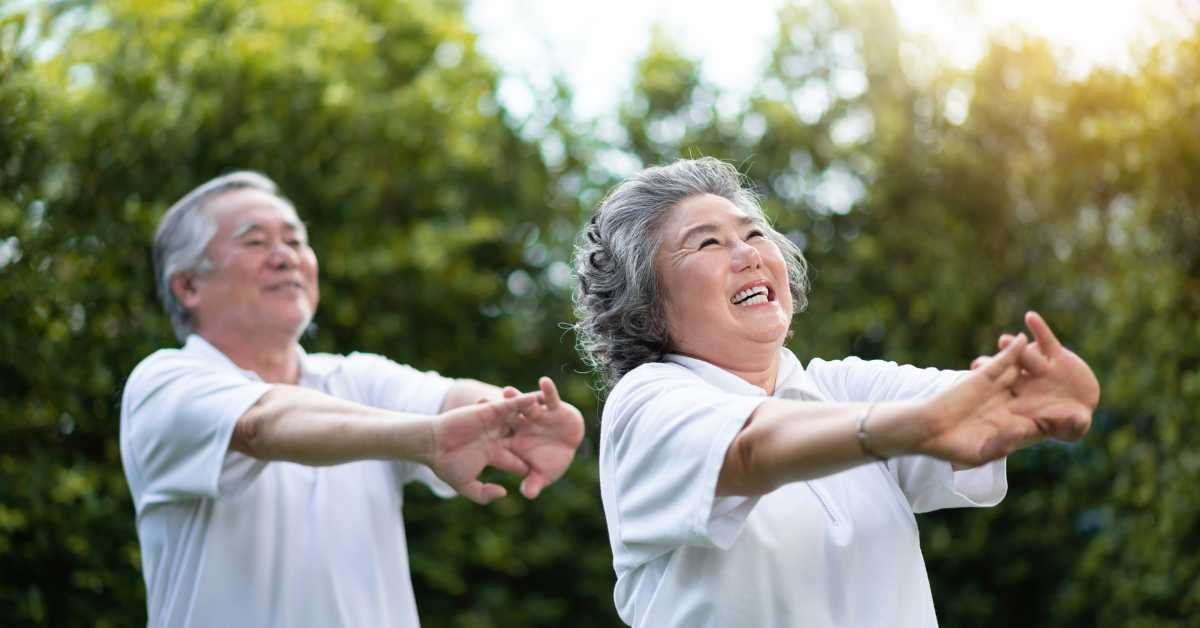
Why Activities for Elderly People Matter
Staying active is important at every age. For seniors, regular activities can help improve mobility, support brain health, reduce loneliness, and bring more joy to everyday life. A mix of physical, mental, creative, and social activities tends to work best, because each category protects a different part of wellbeing and the categories reinforce each other across the week.
The point of building the activity list below is not to fill a calendar. The point is to keep the body, the mind, and the social life all working at a level that maintains the senior’s independence, confidence, and sense of purpose. Each part is small. Together they are the difference between a year that drifts and a year that builds.
Mental Benefits of Senior Activities
Activities that keep the mind busy may help seniors:
- improve memory and recall
- stay focused through the day
- think more clearly under pressure
- support problem-solving skills
- reduce the risk of mental decline over time
Puzzles, reading, writing, and games are all simple examples that fit a calm afternoon at home. None of these require a gym membership or an expensive setup. They cost time and a small dose of curiosity.
Physical Benefits of Activities for Seniors
Movement-based activities may help seniors:
- maintain muscle strength
- improve flexibility and joint range
- support balance and posture
- lower the risk of falls
- stay more independent in daily life
Even gentle movement makes a meaningful difference over months and years. The body responds to consistency, not intensity. A 20-minute walk three days a week is more valuable for most seniors than a single long session once a month.
Social Benefits of Staying Connected
Social activities can help older adults:
- feel less isolated during quieter weeks
- stay connected to family and friends
- build new friendships at any age
- improve mood and reduce anxiety
- enjoy a sense of community that work sometimes provided
Regular social interaction is a meaningful part of healthy aging. Loneliness is one of the more under-discussed risk factors for older adults, and a small social habit every week goes a long way. The social calendar is not a luxury. It is part of the wellness plan.
Why a Mix Beats a Single Track
The strongest research signal for healthy aging is the combination of physical, mental, social, and creative activities, not any single category. Adults who only move but do not engage mentally tend to plateau cognitively. Adults who only read but do not move lose muscle and balance. The mix in the four categories below covers the whole person, not just one part.
Best Physical Activities for Elderly People
Physical activity helps seniors stay mobile, stronger, and more confident in daily life. The goal is not intense training. The goal is safe, regular movement that the person can keep up across weeks and months.
Walking as a Simple Daily Activity for Seniors
Walking is one of the easiest and best activities for elderly people. It supports heart health, joint movement, balance, and mood. It can also be done alone or with others. Good walking ideas include:
- neighborhood walks
- park walks along flat paths
- mall walking in air-conditioned comfort on hot days
- short morning walks before the heat peaks
- regular walking groups with a fixed meeting time
Walking outdoors can also help reduce stress and improve mood. A 30-minute brisk walk five days a week is the working baseline for most healthy seniors, but two 15-minute walks work just as well if weather or schedule makes longer sessions hard.
Chair Exercises for Elderly People with Limited Mobility
Chair exercises are a great option for seniors who want a safer, lower-impact way to stay active. These exercises may help with:
- circulation
- flexibility
- light strength
- balance
- joint movement
They are useful for seniors who have trouble standing for long periods. A simple 10 to 15 minute seated routine covers most of the movement needs adults have on days when getting to the gym or park is not realistic.
Gentle Yoga and Tai Chi for Seniors
Yoga and tai chi are popular because they combine movement with relaxation. These activities may help improve:
- balance and stability
- posture
- flexibility
- body awareness
- calmness and stress recovery
They are often a good fit for seniors who want gentle exercise with less strain on the body. Tai chi in particular has a strong evidence base for fall prevention in older adults, and many Singapore community centres run tai chi classes specifically for senior residents.
Gardening as a Healthy Outdoor Activity for Elderly Adults
Gardening is both active and relaxing. It gives seniors a chance to move, spend time outdoors, and enjoy a sense of progress. Simple gardening tasks may include:
- watering plants
- planting herbs
- trimming leaves
- caring for flowers
- Growing vegetables
Gardening can also bring a strong sense of purpose and enjoyment. For seniors with access to a backyard or a community garden plot, it counts as both physical activity and stress recovery.
Water-Based Activities for Seniors
Water-based activities are gentle on joints and reduce the load that gravity places on knees, hips, and the lower back. Good options include:
- water walking at a public pool
- gentle aqua aerobics classes
- swimming laps at a slower, conversational pace
- standing leg exercises in shallow water
The water supports the body, so the heart and lungs still get a workout without the impact of running or jumping on land. Singapore’s public pools make this one of the easier activity categories to build into the week.
Simple Strength Work for Seniors
Light strength work helps maintain muscle mass, which adults lose progressively after 50. A safe at-home routine usually covers:
- chair-assisted squats
- wall push-ups
- standing calf raises with a chair for balance
- light water bottle or small dumbbell lifts
Two short strength sessions a week, around 15 to 20 minutes each, are usually enough for most healthy seniors. The work is light, the timing is the lever.
Best Mental Activities for Elderly People
Mental activity is just as important as physical activity. Brain-friendly hobbies help older adults stay alert, curious, and engaged. The brain responds to novelty and challenge, which is why learning a new skill at 70 is far more useful than it sounds.
Puzzles and Brain Games for Seniors
Puzzles and simple games are easy ways to keep the mind active. Popular options include:
- crossword puzzles
- word searches
- memory matching games
- number puzzles
- card games
- board games with family or friends
These activities may support memory, focus, and thinking skills. The trick is to keep the difficulty just slightly above the comfort level — too easy, and the brain drifts off. Too hard, and frustration pushes the senior away from the habit.
Reading, Writing, and Journaling for Brain Health
Reading and writing are simple but powerful habits. They can help seniors reflect, learn, and stay mentally engaged. Good options include:
- reading books
- writing in a journal
- making gratitude lists
- writing letters to grandchildren
- poetry
- memoir writing
These activities may also support emotional wellbeing, especially for older adults who live alone or spend quieter days at home. A ten-minute journal habit is enough to see measurable mood changes within a month.
Learning New Skills Later in Life
Trying something new can help boost confidence and keep the brain active. Seniors may enjoy learning:
- smartphone basics
- video calling with family abroad
- a new language
- a musical instrument
- basic computer skills
- online safety habits
Learning can be practical, fun, and rewarding at any age. The fact that the brain keeps building new connections when adults stay curious is the single biggest reason to keep learning in the later decades. It is also one of the strongest predictors of cognitive health across years.
Best Social Activities for Elderly People
Social connection is a major part of healthy aging. Even simple group activities can help seniors feel happier and more supported. Most research points in the same direction: older adults with regular social habits report better mood, better sleep, and better cognitive markers across years.
Book Clubs and Discussion Groups for Seniors
Book clubs and small discussion groups help older adults stay socially and mentally active. Topics can include:
- books
- life experiences
- hobbies
- local events
- favorite memories
- health and wellness
These groups are a good way to combine conversation with learning, and they double as low-impact cognitive workouts. Book clubs can run in person, by video call, or even hybrid for senior members who cannot always leave the house.
Community Centers and Senior Group Activities
Community spaces often offer many useful activities for elderly people. These may include:
- exercise classes
- hobby groups
- games and mahjong sessions
- workshops
- art sessions
- social gatherings
Senior centres and local clubs can make it easier to stay active and meet others. Singapore has a strong network of community spaces and resident committees that support these activities for free or at a low cost.
Online Activities and Virtual Meetups for Seniors
Not every social activity has to happen in person. Online options can help seniors stay connected, especially if they have limited mobility or live alone. Useful ideas include:
- video calls with family
- virtual book clubs
- online trivia games
- hobby chat groups
- online mahjong or card games
- virtual exercise classes
These activities can reduce loneliness and keep communication strong across weeks when in-person visits are not realistic. The younger generation can often help set the first call up, and after that it usually becomes a habit on its own.
Family Meals and Sunday Gatherings
Regular family meals are one of the simplest social habits to maintain. They do not need a special occasion. Sunday lunch at the grandparent’s home, a daily breakfast with a caregiver, or a weekly dinner with extended family are all social anchors. They give the senior a fixed date on the calendar and a reason to be present, both of which protect mood and cognitive health in the long run.
Best Creative Activities for Elderly People
Creative hobbies can help seniors relax, express themselves, and stay engaged. They are also enjoyable and easy to adapt to different ability levels. Many seniors find quiet joy in creative work, and that joy often pulls them through harder weeks.
Painting, Drawing, and Coloring for Seniors
Art activities can be calming and satisfying. They may help with:
- focus
- fine motor skills
- emotional expression
- stress relief
Simple ideas include:
- watercolor painting
- sketching with a pencil
- adult coloring books
- clay work
- basic drawing drills
These activities can be done at home or in a class, and the kit cost is usually modest. They also keep the hands nimble, which is one of the small but real benefits of regular creative work.
Crafting and DIY Projects for Older Adults
Crafting gives seniors a chance to create something useful or meaningful. Good ideas include:
- greeting cards
- knitting or crochet
- scrapbooking
- handmade gifts
- photo albums
- simple home decorations
Craft projects can also support hand coordination and attention, which is one reason occupational therapists often use them in senior programmes. The finished product also gives the senior something tangible to share.
Music, Singing, and Dance-Based Activities
Music can bring comfort, joy, and strong memories. Seniors may enjoy:
- listening to music
- sing-alongs
- simple dance sessions
- music appreciation groups
- gentle movement to music
These activities support both mood and social connection. Music-based group activities are particularly useful in senior living settings where spontaneous interaction can be limited. They also tend to be the activity seniors return to most, because songs carry emotional weight across decades.
Best Outdoor Activities for Elderly People
Outdoor activities can improve mood and help seniors enjoy fresh air and sunlight. They do not need to be demanding to be helpful. A short walk in a shaded park usually beats a long walk in uncomfortable conditions, especially in Singapore’s tropical climate.
Nature Walks and Park Visits
Spending time in nature can be calming and refreshing. Seniors may enjoy:
- park walks
- garden visits
- sitting in green spaces
- light outdoor stretching
- scenic strolls along the Singapore River
Nature can support both mental and physical wellbeing. Many Singapore parks include benches, accessible paths, and shaded rest areas that make longer visits comfortable for older adults. A short morning visit before the heat sets in is one of the most reliable senior week activities.
Birdwatching as a Relaxing Hobby for Seniors
Birdwatching is a peaceful activity that encourages observation and patience. It can be enjoyed in:
- parks
- gardens
- balconies
- nature areas
- quiet neighborhoods
This is a good option for seniors who prefer calm, low-effort hobbies. Birdwatching also pairs well with the outdoors routines that already live in the week.
Light Cycling or Stationary Cycling
For seniors comfortable on a bike, light cycling can be a useful add-on to walking. Outdoor cycling on park connectors is safe and flat. Indoor stationary cycling is easier to dose and protects the senior from heat and traffic. Most adults over 65 should aim for steady cadence, low resistance, and sessions capped at 30 minutes.
How to Choose the Right Activities for Elderly People
The best activity depends on the person. Every senior has different needs, interests, and energy levels. Picking the right fit is the difference between a routine that lasts and a routine that dies in two weeks.
What to Think About Before Picking Activities
Important things to consider include:
- mobility
- health conditions
- balance and strength
- confidence level
- personal interests and hobbies
- social preference
- family support and transportation
A good activity should feel safe, enjoyable, and realistic to continue. The single biggest predictor of whether an activity sticks is whether the senior enjoys it on the second attempt. The first attempt is usually driven by willpower. The second is the real signal.
Choosing Activities Based on Ability and Comfort
Some seniors enjoy group classes. Others prefer quiet hobbies at home. Some enjoy outdoor movement. Others feel better with seated or indoor options. There is no single right answer. The point is to find what the senior will actually return to this week, next week, and next month.
Adapting Activities for Seniors with Limited Mobility
Many activities can be adjusted to suit physical limitations. Helpful changes may include:
- shorter sessions
- seated exercises
- lighter movements
- extra rest breaks
- more support or equipment
- indoor options for safety
With simple changes, many seniors can still stay active and involved. The goal is consistent participation, not the same routine as before.
A Short Matching Guide for Different Mobility Levels
- Highly mobile. Walking, tai chi, gardening, group classes, social outings, learning groups.
- Moderate mobility. Chair exercises, gentle yoga, light strength, water-based classes, indoor hobbies.
- Limited mobility. Seated routines, reading, journaling, music, virtual meetups, crafts.
Pick a category, then choose within it based on personal interest. Interest is the lever adults stick with. Mobility is the guardrail that keeps the activity safe.
Easy Daily Activity Ideas for Elderly People
If you want quick ideas, here are some simple options:
- go for a short walk
- do chair stretches
- try a puzzle
- start a journal
- listen to music
- water plants
- join a book club
- paint or color
- video call family
- practice tai chi
- attend a community class
- watch birds in the garden
Small activities done regularly can have a big impact. Consistency is the engine that older adults can actually control.
How to Build a Balanced Week
Most seniors benefit from a layered week that covers physical, mental, social, and creative activities. A practical template:
- Daily. One short walk or chair routine, plus one mental or creative activity. Around 30 minutes total.
- Three times a week. One social engagement — a phone call, video call, or in-person meetup.
- Two times a week. A longer physical activity — a class, a gardening session, or a longer walk.
- Once a week. Something new — a skill, a place, a conversation topic. Novelty keeps the brain engaged.
Hold the structure gently. Life will interrupt the schedule. The point is to keep returning to it. The plan that survives the week is the plan that lasts the year.
How Activities Support Healthy Aging
Activities can support physical health, brain function, emotional wellbeing, and social connection. They can also reduce loneliness and improve daily quality of life. The categories below cover the deeper work each type of activity does.
What Physical Activities Protect
- Bone density. Weight-bearing activity helps maintain bone mass.
- Muscle mass. Strength work slows age-related muscle loss.
- Balance. Most fall prevention starts with simple daily balance work.
- Mood. Movement is one of the most reliable mood regulators.
- Sleep. Daytime activity drives deeper night-time sleep.
What Mental and Creative Activities Protect
- Working memory. Cognitive challenges keep the brain’s working memory flexible.
- Executive function. Planning and judgment stay sharper with regular cognitive use.
- Emotional regulation. Creative work gives an outlet for feelings that quiet days may amplify.
- Identity. Skills and hobbies give the older adult a sense of self that does not depend on work status.
What Social Activities Protect
- Loneliness. The biggest single social risk factor in later life.
- Cognitive engagement. Conversation is itself a mental workout.
- Purpose. Social roles give days a structure and a meaning.
- Recovery. Friendships shorten the recovery time after illness or injury.
Common Mistakes to Avoid When Adding Activities
Adding a new routine to an older adult’s week usually fails for one of three reasons. Watch for these patterns and the new activity usually lands.
- Doing too much, too soon. Start with one small activity for two weeks. Add the next one after that.
- Picking the activity the family wants, not the senior. The person doing the activity has to enjoy it. Suggestions are useful. Forced picks die fast.
- Ignoring medical conditions. Joint pain, heart conditions, vision issues, and cognitive changes all need to be respected before starting.
- Skipping recovery days. Older adults need more rest, not less, when starting new routines.
- Too much variety, too quickly. Two or three anchor activities beat ten small things that each last a week.
- Doing activities alone when they need company. Group activities pull some seniors into habits that solo routines never do.
Singapore-Specific Resources for Senior Activities
Singapore has a strong and growing network of senior-friendly facilities and programmes. Common starting points include:
- ActiveSG sport centres for low-cost senior fitness classes.
- Community centres (CCs) for hobby groups, social activities, and exercise programmes.
- Senior activity centres under the People’s Association.
- Public libraries for reading groups, talks, and quiet study spaces.
- Public parks with senior-friendly walking paths, including East Coast Park, Bishan-Ang Mo Kio Park, and MacRitchie Reservoir.
- Public pools for water walking, aqua aerobics, and gentle lane swimming.
Most of these programmes are free or low-cost, and they give the senior a fixed schedule with built-in company, which is one of the strongest predictors of a routine that actually sticks.
Safety Tips for Senior Activities
Most senior activities carry low risk when a few basics are respected.
- Warm up for 5 to 10 minutes before more demanding physical activities.
- Stay hydrated, especially in Singapore’s heat.
- Wear properly fitted shoes with good grip.
- Avoid training alone on heavy or unfamiliar equipment.
- Use handrails or supports where they are available.
- Keep a charged phone within reach during outdoor activities.
- Skip outdoor activity during the hottest hours of the day, typically 11 am to 3 pm.
- Stop any movement that produces sharp joint pain or chest discomfort.
These eight habits are the baseline. They are not the depth of the plan — the senior should still build a proper movement, mental, social, and creative routine — but they are the floor that every senior week rests on.
Final Takeaway on Activities for Elderly People
The best activities for elderly people are the ones that are safe, enjoyable, and easy to keep doing. A simple mix of movement, creativity, social time, and relaxation can support healthy aging and a better quality of life. Even small daily activities can help seniors stay active, connected, and happy.
The body responds to what is done across months and years, not what is done in a single week. Build the routine slowly. Hold it patiently. The years compound. The senior who walks three times a week, calls a friend on Tuesdays, and joins a community class on Saturdays will almost always have a better trajectory than the senior who waits for a perfect plan before starting.
Frequently Asked Questions About Activities for Elderly People
What are the best activities for elderly people at home?
Good at-home activities include chair exercises, puzzles, reading, journaling, coloring, music, gardening, and video calls with family. Most seniors can run a balanced routine from home with one or two outdoor sessions added on top.
What physical activities are safe for seniors?
Walking, chair exercises, yoga, tai chi, stretching, gardening, swimming, water walking, and light strength work are common low-impact choices for many seniors. The right level depends on the individual. A clinician should clear any new activity after a hip, knee, or heart event.
How do activities help elderly people?
Activities support physical health, brain function, emotional wellbeing, and social connection. They also reduce loneliness and improve daily quality of life. The combined effect of keeping all four areas active is what builds long-term resilience.
What are good social activities for seniors in Singapore?
Book clubs, community classes, hobby groups, senior centre events, virtual meetups, family meals, and religious or spiritual gatherings are all good ways to stay socially connected. Many community centres also run senior-specific social clubs.
What are good activities for elderly people with limited mobility?
Chair exercises, journaling, puzzles, reading, crafting, music, and online social activities are all useful options. The right adaptation matters more than the original version of the activity.
How often should seniors do physical activity?
Most public health frameworks suggest 150 minutes a week of moderate activity, two strength sessions, and daily balance work for seniors. The exact dose can be lower for adults recovering from illness or surgery. The point is consistency across most weeks.
How do I start an activity habit with an elderly parent?
Pick one activity they have expressed interest in. Commit to it twice a week for three weeks. Avoid adding a second activity until the first one feels automatic. Family participation helps the new habit stick, especially in the first month.
Can garden work count as physical activity?
Yes. Light gardening can count toward the weekly physical activity target for many seniors. Heavy digging or lifting may need to be adapted, but watering, planting, and trimming usually fit easily into a 20 to 30 minute session.
What is the smallest weekly change that makes a difference?
A 20-minute walk three times a week, plus one phone call to a friend or family member. That small two-anchor routine usually pulls other activities up with it within a month.
Are there activities that work well for seniors with memory loss?
Music-based activities, simple crafts, light household tasks, and familiar walks work well. The goal is not to challenge the senior cognitively, but to keep them engaged with familiar, low-pressure routines they can still enjoy.
What activities help with loneliness specifically?
Family meals, weekly phone or video calls, religious or community gatherings, and group classes at a community centre are the highest-leverage. The trick is frequency, not novelty. A weekly call beats a big annual event.
What are the safest outdoor options in Singapore’s climate?
Early morning or post-7 pm walks in shaded parks, indoor mall walking on hot or rainy days, and stationary cycling at a gym or community centre. The activity itself matters less than the timing and the venue.
Where can I get a Singapore-based senior fitness assessment?
A qualified senior fitness coach or physiotherapist is the right starting point. The RAW Active personal training page walks through what a structured programme for older adults looks like in practice, including strength, mobility, and balance work tailored to the senior’s current level.