
TL;DR: Building muscle and strength is not only about looking better. It helps support joints, improve posture, reduce everyday strain, and make movement feel safer and easier. A smart strength plan may help you stay more resilient, recover better, and lower the risk of the aches that often come from weakness, inactivity, or poor movement habits.
- Why Does Building Muscle Matter Beyond Aesthetics?
- How Do Muscle and Strength Help You Stay Pain-Free?
- What Is the Role of Resistance Training?
- How Do Muscle and Strength Support Joints and Posture?
- How to Start Building Muscle and Strength Safely
- Why Do Recovery and Consistency Matter?
- FAQ About Building Muscle and Staying Pain-Free
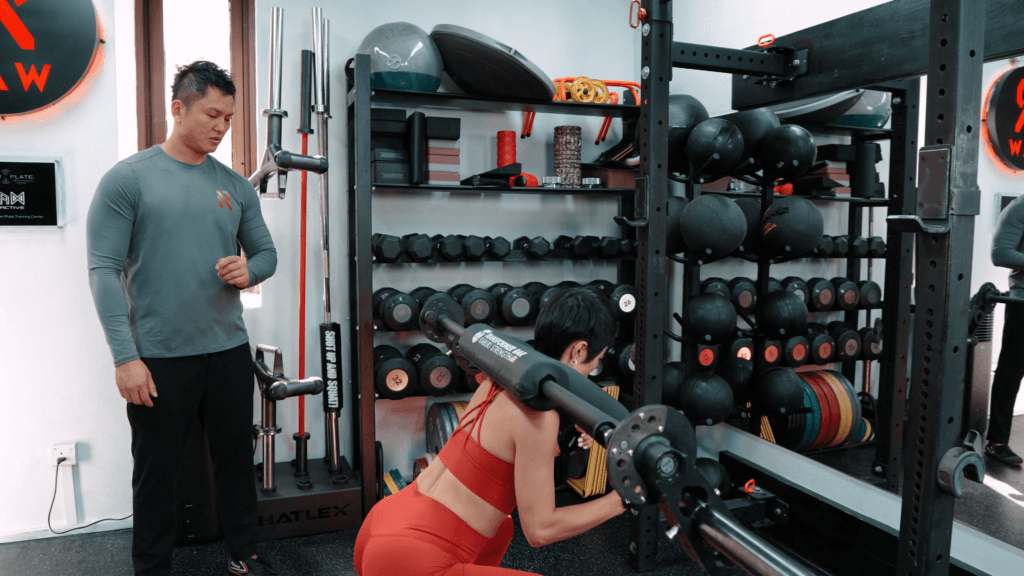
Why Does Building Muscle Matter Beyond Aesthetics?
Building muscle matters because muscle supports movement, protects joints, improves physical capacity, and helps the body handle daily stress better. A stronger body usually moves with more control and less wasted effort. That can make everyday life easier and may reduce the physical strain that often builds into recurring discomfort over time.
Why Is Muscle Important for Everyday Function?
Muscle is important for everyday function because it helps you walk, climb stairs, carry groceries, stand up from a chair, and maintain posture throughout the day. When muscle strength is low, simple tasks often feel harder. Stronger muscles improve how force is handled, which usually makes daily movement more efficient and less tiring.
Why Should You Stop Thinking About Strength as Just a Cosmetic Goal?
Strength should not be seen as only a cosmetic goal because its biggest value is often practical, not visual. Strong muscles support better balance, better movement control, and better tolerance to physical demands. That means strength training can support independence, confidence, and long-term health even when appearance is not the main priority.
If you want to go deeper into structured training, pages like building muscle and strength training fit naturally with this bigger picture.

How Do Muscle and Strength Help You Stay Pain-Free?
Muscle and strength help you stay pain-free by reducing unnecessary stress on joints, tendons, and ligaments. Strong muscles improve how the body absorbs force and controls movement. That does not guarantee a pain-free life, but it often improves resilience and lowers the strain that can build into common aches over time.
How Do Weak Muscles Increase the Risk of Pain?
Weak muscles increase pain risk because the body still has to move, lift, and stabilize itself somehow. When muscles cannot do their share well, joints and connective tissues often take more stress. Over time, that extra load can contribute to discomfort, poor movement patterns, and a higher chance of overuse problems.
Why Are Strong Muscles Often Called Natural Shock Absorbers?
Strong muscles are often called natural shock absorbers because they help absorb impact and distribute force more effectively during movement. Walking, running, landing, lifting, and turning all create stress. Better muscle strength helps control that stress, which may reduce how much strain reaches more vulnerable structures in the body.
Can Strength Training Help If You Already Have Mild Pain?
Yes, strength training may help some people with mild or recurring pain when the exercises are appropriate and progressed carefully. The goal is not to push through sharp pain. The goal is to rebuild support, improve movement quality, and increase tolerance gradually. Persistent or severe pain still deserves professional assessment first.
This connects naturally with related topics like lower back pain and knee and hip pain exercises, where strength and control often matter more than rest alone.
What Is the Role of Resistance Training?
Resistance training is one of the most practical ways to build muscle, improve bone strength, and support long-term movement quality. It can use free weights, machines, resistance bands, or body weight. When done well, it helps the body become stronger, more capable, and better prepared for both exercise and daily life.
Why Is Resistance Training So Effective for Building Muscle?
Resistance training is effective because muscles adapt when they are challenged with enough load, effort, and consistency. That challenge tells the body to become stronger over time. Progress does not require extreme workouts. It usually comes from doing the basics well, increasing demand gradually, and giving the body enough recovery to adapt.
What Types of Resistance Training Can Work Well?
Many forms of resistance training can work well, including bodyweight exercises, dumbbells, barbells, resistance bands, and cable machines. The best option depends on your current ability, access, and goals. The tool matters less than the quality of the programming, the exercise technique, and whether the work is repeatable week after week.
Can Resistance Training Support More Than Muscle Growth?
Yes, resistance training supports more than muscle growth. It can improve bone density, balance, posture, confidence, work capacity, and body composition. It may also support fat loss when combined with good nutrition and enough daily movement. Strength work is one of the most useful foundations for long-term physical health.
This also fits with body composition analysis and fat loss vs weight loss, where muscle retention matters just as much as the number on the scale.
- Free weights: Useful for building strength, coordination, and full-body control.
- Bands: Helpful for beginners, home workouts, and lower-impact progressions.
- Body weight: A simple way to build strength without much equipment.
- Machines: Often useful for controlled loading and learning basic movement patterns.
How Do Muscle and Strength Support Joints and Posture?
Muscle strength supports joints and posture by helping the body stay aligned and stable during movement. Stronger muscles around the hips, knees, shoulders, back, and core improve control. That support may reduce unnecessary joint stress and help everyday positions feel more comfortable and more sustainable.
How Does More Muscle Support Joint Health?
More muscle supports joint health because stronger surrounding tissues help guide and stabilize movement. When joints are supported by stronger muscles, force is often shared more effectively. This does not mean strength training cures joint issues, but it can be an important part of reducing avoidable strain and building better movement tolerance.
Why Do Core, Back, and Shoulder Strength Matter for Posture?
Core, back, and shoulder strength matter because posture is easier to maintain when the body has enough muscular support to hold positions without constant tension. Better strength in these areas can improve alignment and reduce the stress linked with prolonged sitting, standing, or repetitive tasks that overload the neck and back.
Can Better Posture Reduce Neck and Back Discomfort?
Better posture can reduce neck and back discomfort for some people by lowering unnecessary strain and improving how load is distributed through the body. Posture is not the only factor in pain, but it still matters. A stronger body often handles posture demands better than a weak body that fatigues quickly.
That is why related reads like posture, postural habits, and functional training for balance support the same message.
How to Start Building Muscle and Strength Safely
The safest way to start building muscle and strength is to use simple exercises, manageable loads, and steady progression. Most people do not need advanced programs at the beginning. They need a few well-chosen movement patterns, clear technique, and enough repetition to build confidence before pushing harder.
What Exercises Should Beginners Focus On First?
Beginners should usually focus on basic movement patterns such as squats, hinges, pushes, pulls, carries, and core stability work. These exercises train large muscle groups and teach useful coordination. Starting with simple, repeatable patterns often gives better long-term results than jumping straight into highly advanced or flashy exercises.
How Often Should You Train to Build Muscle and Strength?
Many people make strong progress with two to three resistance-training sessions per week, especially in the beginning. That frequency gives enough practice to improve while still leaving room for recovery. More training is not always better. The best schedule is the one you can recover from and maintain consistently.
What Mistakes Should You Avoid if You Want to Stay Pain-Free?
The biggest mistakes are poor technique, doing too much too soon, skipping warm-ups, and ignoring early warning signs from the body. Progress usually comes faster when training is controlled, not rushed. If an exercise causes sharp pain or repeated irritation, it should be modified instead of treated like a test of toughness.
- Start simple: Master basic patterns before adding complexity or heavy loads.
- Use good form: Technique usually matters more than ego lifting.
- Progress slowly: Small increases often work better than sudden jumps.
- Warm up properly: Prepare joints, muscles, and movement patterns before harder work.
Useful related pages here include fitness tips, strength training and cardio order, and personal training.
Why Do Recovery and Consistency Matter?
Recovery and consistency matter because muscle and strength are built through repeated training followed by enough repair time. Hard sessions alone do not create progress. The body needs sleep, nutrition, hydration, and consistent scheduling to adapt. Stronger results usually come from steady habits, not short bursts of extreme effort.
Why Is Recovery So Important for Muscle Building?
Recovery is important because muscles need time and resources to repair after training. Without enough sleep, food, and rest, strength gains slow down and soreness often lasts longer. This is also when many people confuse hard work with good results. Better recovery often improves progress more than adding another tough workout.
How Does Consistency Help You Stay Pain-Free Long Term?
Consistency helps you stay pain-free because the body responds best to regular, manageable input. Sporadic training often leads to repeated cycles of stopping and restarting, which increases strain and frustration. A steady routine builds strength gradually, supports movement quality, and makes the body more tolerant of both exercise and daily life.
What Lifestyle Habits Support Strength and Recovery Best?
The most useful habits are usually the simplest ones: enough sleep, enough protein, sensible hydration, stress management, and a training schedule that fits your real life. These basics create the conditions for muscle growth and better movement. They also make pain-free progress more realistic than relying on motivation alone.
This works well alongside broader ideas around holistic fitness and long-term health, where training, recovery, and lifestyle all support each other.
FAQ About Building Muscle and Staying Pain-Free
These common questions help clarify how muscle building and strength training support pain-free movement in real life. The short answer is that stronger tissues usually handle load better. Still, results depend on consistency, recovery, and appropriate exercise choice rather than on one perfect workout or one magic exercise.
Can building muscle really help reduce everyday aches?
Yes, building muscle can help reduce some everyday aches by improving support, stability, and force control around the body. It is not a guarantee, and it does not replace medical care when symptoms are serious. Still, many people move more comfortably when weakness is replaced with better strength and coordination.
Is strength training safe if you already have mild joint discomfort?
Strength training can be safe for some people with mild joint discomfort when the exercises are adjusted properly and progressed with care. The key is choosing the right movements, controlling load, and avoiding sharp pain. If symptoms are worsening, severe, or unclear, professional guidance is the safer next step.
Do you need heavy weights to build strength and stay pain-free?
No, you do not always need heavy weights to make useful progress. Bodyweight exercises, bands, machines, and moderate dumbbells can all help build strength when effort and technique are good. Heavy training can be useful later, but strong basics and steady progression matter more than lifting maximal loads early on.
When should you seek professional help instead of training through pain?
You should seek professional help if pain is sharp, worsening, limiting normal movement, or not improving with sensible modification. Pain that wakes you at night, causes swelling, or keeps returning deserves attention. Training through every pain signal is not toughness. Often, it is just delaying the right solution.
Final takeaway: If you want to stay pain-free, do not think about muscle and strength as vanity goals. Think of them as physical support systems. Build them steadily, train with good form, recover well, and stay consistent. A stronger body usually handles life, training, and stress better than a weak one.