Building muscle is desirable for many in today’s age. However, not many are willing to put in the work needed to achieve the results. In this article, I will share with you the steps that need to be taken and the ways you can discipline yourself to stay true to those steps.
Muscle growth is not a mystery, and it is not reserved for a lucky few. It is the product of a handful of proven principles — training hard enough, recovering properly, setting clear goals, and staying consistent. When these pieces come together, your body has no choice but to grow. When even one of them is missing, progress stalls.
So whether you are a complete beginner stepping into the gym for the first time, or an intermediate lifter who has hit a plateau and cannot seem to break through, this guide will give you the practical steps to build muscle — and the mindset to make them stick.
Train Harder
Many individuals have started going to the gym in hopes of building their dream physique. In the first year of training, they may see significant results, which is often referred to as newbie gains. As one progresses in their training years, the muscle building potential tapers off year after year as the body gets closer to achieving its natural fullest potential.
Most individuals may start to plateau in the second or third year after their newbie gains phase. One of the reasons why is due to them not training hard enough in the gym. For consistent muscle growth, an individual needs to train to at least close to failure.
Training closer to failure allows for more stress to be placed on the muscles, providing more muscle stimulation, allowing for greater repair and growth. Especially for intermediate trainers who are already in their second or third year of training, performing exercises well shy of failure could be one of the main reasons why they plateau — the body is already accustomed to the stress being put on it, hence not requiring further growth.
This does not mean every single set needs to be an all-out, grind-to-the-floor battle. It means that the majority of your working sets should take you close to the point where you physically cannot complete another clean rep. That proximity to failure is what signals your body that the current muscle size is not enough and that it needs to adapt and grow.
Prioritize Recovery
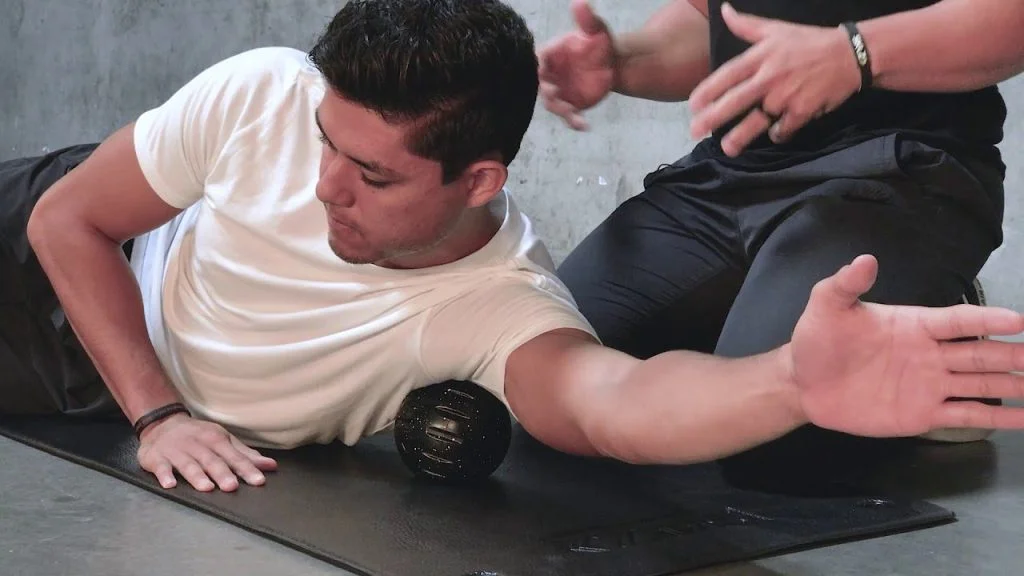
Overtraining is real. Recovery is where the real magic happens — not during training. For muscles to grow, recovery is extremely important. This includes having enough sleep, consuming enough macronutrients and calories, and more.
Here’s an analogy that can help you understand this better. Imagine a car with the best engine in the world but no fuel. Is the car able to operate? HELL NO. Just like in training, with the engine being your training routine, you need to fuel your body properly with adequate sleep and nutrition in order for results to surface.
When you train, you are actually breaking your muscles down. It is during the recovery period — the hours and days after your workout — that your body rebuilds them bigger and stronger than before. Skimp on sleep, under-eat, or train the same muscle group without rest, and you are essentially pouring fuel into a car with a broken engine. The training stimulus is there, but the recovery that turns it into growth is missing.
Prioritise seven to nine hours of quality sleep each night, eat enough protein and calories to support growth, and give each muscle group adequate time to recover before training it again. Recovery is not a luxury — it is a requirement.
Write Down Your Fitness Goals
As cliché as this may sound, writing down your fitness goals is the ultimate key to ensure you stay throughout your training plan. The psychological difference between writing down a goal and thinking of a goal is huge. Writing down a goal brings clarity and narrows your focus. It also allows you to be more specific and realistic.
The difference between top athletes and the people who say “I want to build muscle starting tomorrow” and end up slacking off on their couch with a bag of chips is discipline. Top athletes have clear goals written down, and they allow their body to operate based on objectives and not emotions.
You think the top athletes feel like training every day? HELL NO! There are days where they absolutely do not feel like waking up at 5am in the morning to train, but they still do anyway. The reason they can do this is because their desire to achieve their goals is much stronger than their emotions.
Take ten minutes today to write down exactly what you want to achieve. Make it specific — not “get bigger”, but “add 5kg to my bench press in 12 weeks” or “gain 3kg of lean muscle by the end of the year.” Put it somewhere you will see it every day. When motivation dips, and it will, that written goal becomes your anchor.
Switch Up Your Accessory Exercises
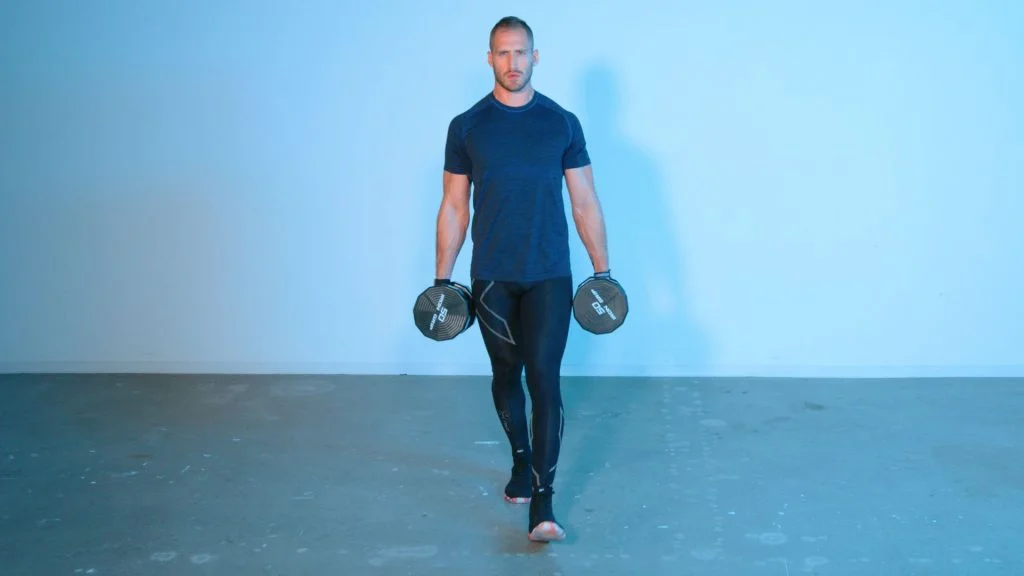
There are two main types of exercises in hypertrophy: compound exercises and isolation exercises. Isolation exercises are also known as accessory exercises, which are used to complement the main compound lift.
Compound exercises should remain the same, which includes the Squat, Bench Press and Deadlift. These exercises allow for an athlete to progressively overload and continue improving their lift, as these lifts are more technical since they utilize more joints and tissues, which therefore requires consistent practice.
Accessory exercises, on the other hand, can be switched up if they target the same muscle groups. For example, if the athlete is looking to target their latissimus dorsi muscle, they could switch up between the T-bar row and the cable row. The main reason why this is recommended is that it reduces boredom.
The FITT principle includes Type in the principle, which is used to create individualization, where certain athletes prefer certain exercises. Hence, changing up exercises occasionally can reduce burnout rates, which is a very common thing in sports. This allows for long-term commitment and ultimately allows for the athlete to better achieve their goals.
Keep your big lifts consistent so you can track progress and keep overloading them, but feel free to rotate your accessory work every few weeks. Fresh movements keep your training enjoyable, hit the same muscles from slightly different angles, and keep you coming back week after week.
Take Control of Your Muscle-Building Journey
All in all, your ability to build muscle is in your control. Train hard and close to failure, recover like it matters, write down your goals, and keep your training fresh. None of these steps are complicated — but together, they are powerful. I leave you with this final question: how bad do you want it?
There’s no one in this world who knows your body better than you. But if you ever need some guidance, RAW has your back. If you’re ready to revamp your lifestyle to focus on fat loss instead of weight loss, our personal training program can help you build the right workout regimens and nutrition plans.
To help you track your progress and measure your body fat percentage, our InBody 120 body composition test is also at your service.
You can change your life with just a click. Book a free consultation with us today and kickstart your workout sessions with the most competent trainers in Singapore.