TL;DR: Power Plate training uses whole-body vibration to add challenge to simple exercises and may help improve balance, muscle activation, mobility, and recovery. It can fit beginners, older adults, and athletes when used properly. The best results usually come from pairing it with good coaching, smart programming, and realistic expectations.
- What Is Power Plate Training?
- What Are the Benefits of Power Plate Training?
- What Exercises Can You Do on a Power Plate?
- Can Pregnant Women Use a Power Plate?
- Can Children Use a Power Plate?
- How Can Older Adults Benefit from Power Plate Training?
- Why Do Athletes Use Power Plate Training?
- FAQ About Power Plate Training
What Is Power Plate Training?
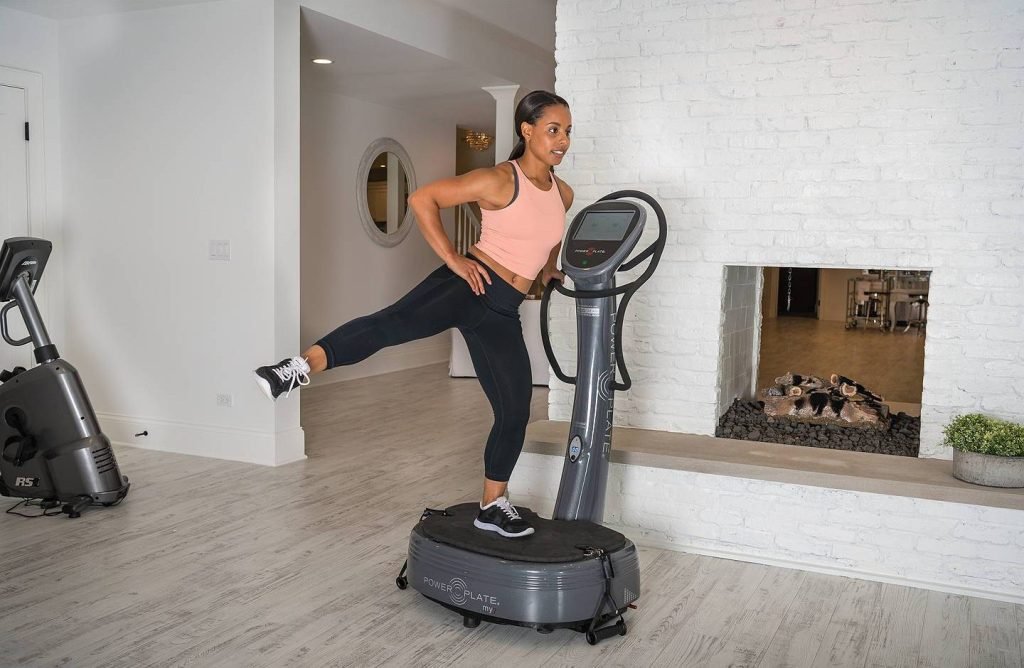
Power Plate training is a form of whole-body vibration exercise performed on a vibrating platform. The machine sends fast, controlled vibrations through the body while you hold positions or perform movements. This may increase muscle activation, challenge balance, and add intensity to low-impact exercise without requiring complex skills.
The platform is designed to make simple movements feel more demanding. A squat, plank, or balance hold can become harder because the body has to react to the vibration.
That makes Power Plate useful for people who want variety in training. It can also support movement practice when used with clear coaching and good exercise selection.
How Does a Power Plate Work?
A Power Plate works by creating rapid vibrations that cause muscles to contract and relax repeatedly while you stand, balance, or exercise on the platform. This added stimulus may increase body awareness, circulation, and muscle engagement. The effect depends on posture, exercise choice, coaching quality, and the user’s current ability level.
The machine does not do the work for you. It simply adds an extra training demand that the body must respond to.
What Are the Benefits of Power Plate Training?
The main benefits of Power Plate training may include better balance, improved coordination, increased mobility, faster-feeling recovery, and more muscle activation during basic exercises. It is often used to support low-impact conditioning, posture, and general movement quality. Results depend on regular use, sensible programming, and matching the exercises to the person.
Power Plate is not a replacement for full strength training or aerobic work. It is better viewed as a tool that can complement a broader training plan.
When used well, it can make short sessions feel more productive. That can be useful for beginners, busy adults, or people easing back into exercise.
Can Power Plate Help Strength, Balance, and Mobility?
Power Plate training may help strength, balance, and mobility by making the body stabilize against vibration during exercise. That can challenge smaller support muscles and improve control during standing movements. Over time, this may support better posture, joint range, and confidence with balance-based exercise, especially in lower-impact settings.
- Balance: The vibration can make the body work harder to stay stable.
- Mobility: Simple stretches and positions may feel more effective on the platform.
- Strength support: Bodyweight exercises may become more demanding without heavy loads.
Can Power Plate Support Recovery and Circulation?
Power Plate may support recovery and circulation by encouraging gentle muscle activity and helping the body move blood through worked areas. Some people use it after training to reduce stiffness and feel looser. It is not a cure-all, but it may fit well into a broader recovery plan.
Recovery still depends on sleep, hydration, and training balance. The machine works best as one part of a bigger system, not the entire solution.
What Exercises Can You Do on a Power Plate?
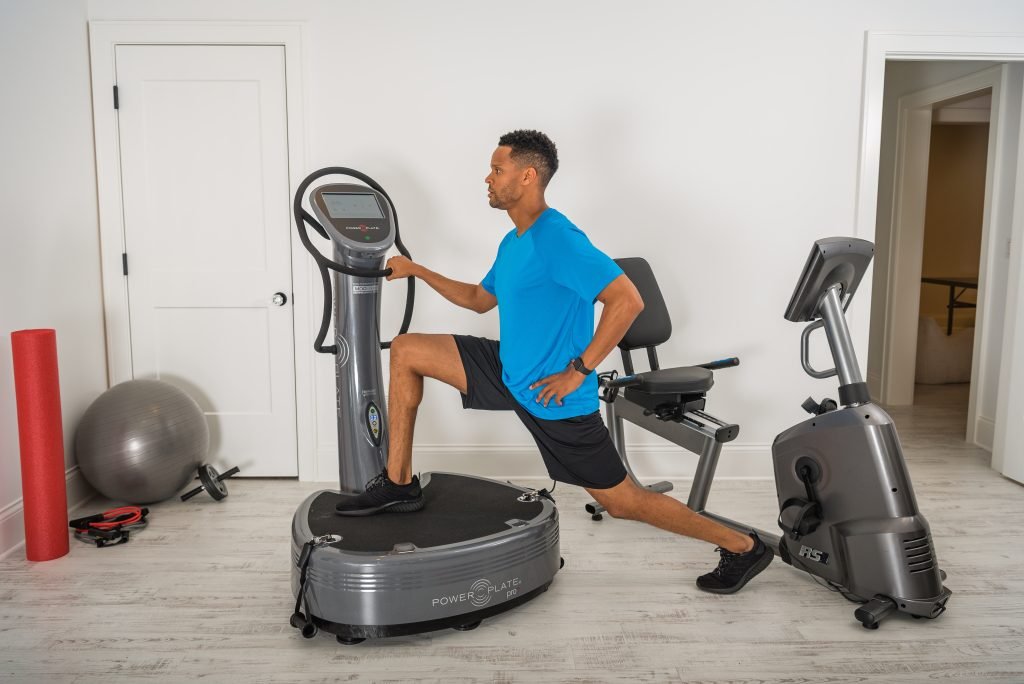
Power Plate exercises are usually simple movements such as squats, planks, lunges, stretches, and balance drills performed on the vibrating platform. The vibration adds difficulty without making the session overly complex. That makes the machine useful for short workouts, activation drills, and lower-impact training sessions across different fitness levels.
The best exercises are usually basic and well controlled. Good posture matters more than trying to do too much too quickly.
Because the vibration increases the challenge, even simple holds can feel harder than usual. That is why coaching and progression still matter.
What Type of Training Works Best on a Power Plate?
The best training on a Power Plate usually includes controlled bodyweight exercises, balance drills, mobility work, and short conditioning sets. Simple movements are often more effective than complicated ones because the platform already adds difficulty. A good session focuses on control, posture, and quality rather than rushing through exercises.
- Squats and lunges: Useful for lower-body control and strength support.
- Planks and holds: Good for core tension and body awareness.
- Mobility drills: Can be used for calves, hips, and general movement prep.
- Balance work: Helpful for coordination and stability practice.
Can Pregnant Women Use a Power Plate?
Power Plate training during pregnancy should be approached carefully and only with proper medical clearance and qualified supervision. Some lower-intensity vibration work may be used in selected situations, especially early in pregnancy, but it is not something to guess with. Safety, comfort, and individual medical context should always come first.
Pregnancy changes balance, joint comfort, and training tolerance. That means exercise choices need to be more conservative and more individualized.
If someone is pregnant, the safest route is always professional guidance. The goal is support, not unnecessary risk.
How Might Power Plate Be Used During Pregnancy or Postpartum?
When approved and supervised, Power Plate training may be used to support gentle movement, posture, and core-focused exercise during pregnancy or after delivery. The idea is to keep sessions low impact and controlled. However, suitability depends on the trimester, symptoms, training history, and direct advice from a qualified healthcare provider.
- Use caution: Always get medical clearance before starting or continuing use.
- Keep it gentle: Lower-intensity, well-supported exercises are the safer option.
- Postpartum use: May fit into gradual return-to-exercise plans with guidance.
Can Children Use a Power Plate?
Power Plate training for children should be simple, supervised, and age-appropriate. The platform may be used to support coordination, movement confidence, and basic strength in certain settings, but it should never replace normal play, sport, or general physical activity. Good coaching and sensible progression are essential for safety and effectiveness.
Children usually benefit most from movement that feels fun and controlled. Sessions should stay short, simple, and focused on good positioning rather than fatigue.
The platform should be a tool, not the main event. Normal play and broad movement skill development still matter most.
How Might Children Benefit from Power Plate Training?
Children may benefit from Power Plate training through improved balance, coordination, basic body awareness, and movement confidence when the work is supervised and kept appropriate for their age. The vibration can make simple exercises more engaging. The biggest benefits usually come when training stays playful, low-pressure, and technically sound.
- Motor skills: May help children practice balance and controlled movement.
- Coordination: Simple drills can encourage better body awareness.
- Confidence: Short, successful sessions may support enjoyment of exercise.
How Can Older Adults Benefit from Power Plate Training?
Power Plate training for older adults may help support balance, posture, leg strength, and confidence with movement when used carefully. Because the machine can add challenge without heavy impact, it may suit older people who need gentle exercise options. The main goal is better function, not intense training or fast results.
Falls, stiffness, and loss of confidence are common concerns with aging. A well-coached Power Plate session may help address those areas through simple movement practice.
As with any training, the starting level matters. Older adults usually do best with simple drills and gradual progression.
Why Might Power Plate Help Balance and Fall Prevention?
Power Plate may help balance and fall prevention by making the body respond to small changes in stability while standing or exercising on the platform. That can improve body awareness, posture, and leg control. For older adults, those changes may support safer movement and more confidence during daily activities.
- Balance practice: The platform challenges stability in a controlled setting.
- Posture support: Better body awareness may improve upright positioning.
- Low impact: Sessions can stay gentle while still feeling productive.
Why Do Athletes Use Power Plate Training?
Athletes use Power Plate training to add variety to warm-ups, activation work, recovery, and balance-focused drills. The platform may help improve movement efficiency, body awareness, and readiness before training or competition. It is usually most effective as a support tool, not as a complete replacement for sport-specific strength and conditioning.
For athletes, the value often comes from how the tool fits into the wider program. It can be used before sessions, after sessions, or on lower-load days.
That flexibility makes it appealing in performance settings. Still, the main work should always come from smart sport-specific training.
How Can Power Plate Support Performance and Recovery for Athletes?
Power Plate training may support athletes by helping with activation, mobility, balance, and recovery between harder sessions. It can also add challenge to simple drills without heavy loading. This may be useful during intense training periods, return-to-play phases, or when athletes need a lower-impact way to keep moving well.
- Activation: Useful before training to wake up key muscle groups.
- Recovery: May help athletes feel less stiff after hard sessions.
- Lower-impact training: Can add challenge without heavy external load.
FAQ About Power Plate Training
This Power Plate FAQ answers common questions about weight loss, session length, footwear, and whether the machine is worth using. Each answer is written clearly and directly so readers can scan fast while still getting useful guidance on how the platform may fit into training, recovery, and general movement practice.
Can Power Plate Help With Weight Loss?
Power Plate training may support weight loss by adding movement, increasing training variety, and making short sessions feel more demanding. However, it does not replace calorie control, consistent exercise, or good recovery habits. Weight loss results still depend mostly on overall activity, nutrition, and staying consistent over time.
How Long Should a Power Plate Session Be?
A Power Plate session does not need to be long to be useful. Many people use it in short blocks as part of a warm-up, mobility session, recovery routine, or quick workout. The right length depends on the goal, but quality and control matter more than simply spending more time on the machine.
Do You Need Special Shoes for Power Plate Training?
Most Power Plate training does not require special shoes, but footwear should still match the exercise and the setting. The key is stability, comfort, and good coaching. Some drills may be done barefoot or in socks if appropriate, while others may feel better with supportive training shoes.
Is Power Plate Better Than Regular Strength Training?
Power Plate training is not automatically better than regular strength training. It is a different tool with different uses. The platform may help with activation, balance, mobility, or lower-impact exercise, but full strength development still depends on progressive resistance training, good technique, and a well-structured long-term program.
Final takeaway: Power Plate training may be a useful upgrade when you want more muscle activation, better balance, or a lower-impact way to challenge the body. It works best when the exercises are simple, the coaching is clear, and the machine supports a bigger plan built around strength, movement quality, recovery, and long-term progress.