
TL;DR: If you want more high-protein foods in Singapore, you do not need a perfect diet or expensive supplements. Focus on getting protein into every meal, choosing better hawker options, and using simple local foods like eggs, fish, chicken, tofu, tempeh, yogurt, and soy milk. Consistency matters more than chasing extreme protein targets.
- Why Is Protein Important?
- How Much Protein Do You Need Each Day?
- What Are the Best High-Protein Foods in Singapore?
- What Are the Best High-Protein Hawker Foods?
- How to Eat More Protein Without Overcomplicating Your Diet
- What Protein Myths Should You Ignore?
- FAQ About High-Protein Food in Singapore
Why Is Protein Important?
Protein is important because it helps build and repair muscle, supports recovery, and contributes to hormones, enzymes, and general body function. It also helps many people feel fuller after meals. For active adults, older adults, and anyone trying to improve body composition, protein is a key part of a balanced eating plan.
Why Does Protein Matter for Muscle and Recovery?
Protein matters for muscle and recovery because training creates stress that the body needs to repair. Adequate protein supports that repair process and helps maintain lean mass during fat loss or busy periods. This fits naturally with building muscle and strength and better long-term training consistency.
Can Protein Help With Fat Loss and Appetite?
Yes, protein can help with fat loss because it often increases fullness and makes meals more satisfying. That may help reduce mindless snacking or overeating later in the day. Protein is still not a magic fix, but it can support better appetite control inside a bigger plan that includes movement and calorie awareness.

How Much Protein Do You Need Each Day?
Protein needs depend on age, body size, and activity level. The source article highlights about 0.8g per kilogram of body weight for adults aged 18 to 49 and about 1.2g per kilogram for adults aged 50 and above. These are useful starting points, not perfect targets for every person.
How Much Protein Should Most Adults Aim for Per Meal?
For many people, spreading protein across the day works better than eating most of it in one meal. A simple target is around 20 to 25 grams per meal, depending on body size and goals. This makes intake easier to manage and may support appetite, recovery, and more balanced energy levels.
Do Older Adults Need More Protein?
Yes, older adults often benefit from higher protein intake because muscle mass and recovery capacity can decline with age. This does not mean eating huge amounts. It means being more intentional with protein at each meal. That aligns well with senior fitness and healthier aging habits.
- General adults: Around 0.8g per kilogram of body weight is a common starting point.
- Older adults: Around 1.2g per kilogram may be more appropriate in many cases.
- Per-meal target: About 20 to 25 grams per meal is often practical.
- Keep it realistic: A repeatable protein habit matters more than chasing exact numbers daily.
What Are the Best High-Protein Foods in Singapore?
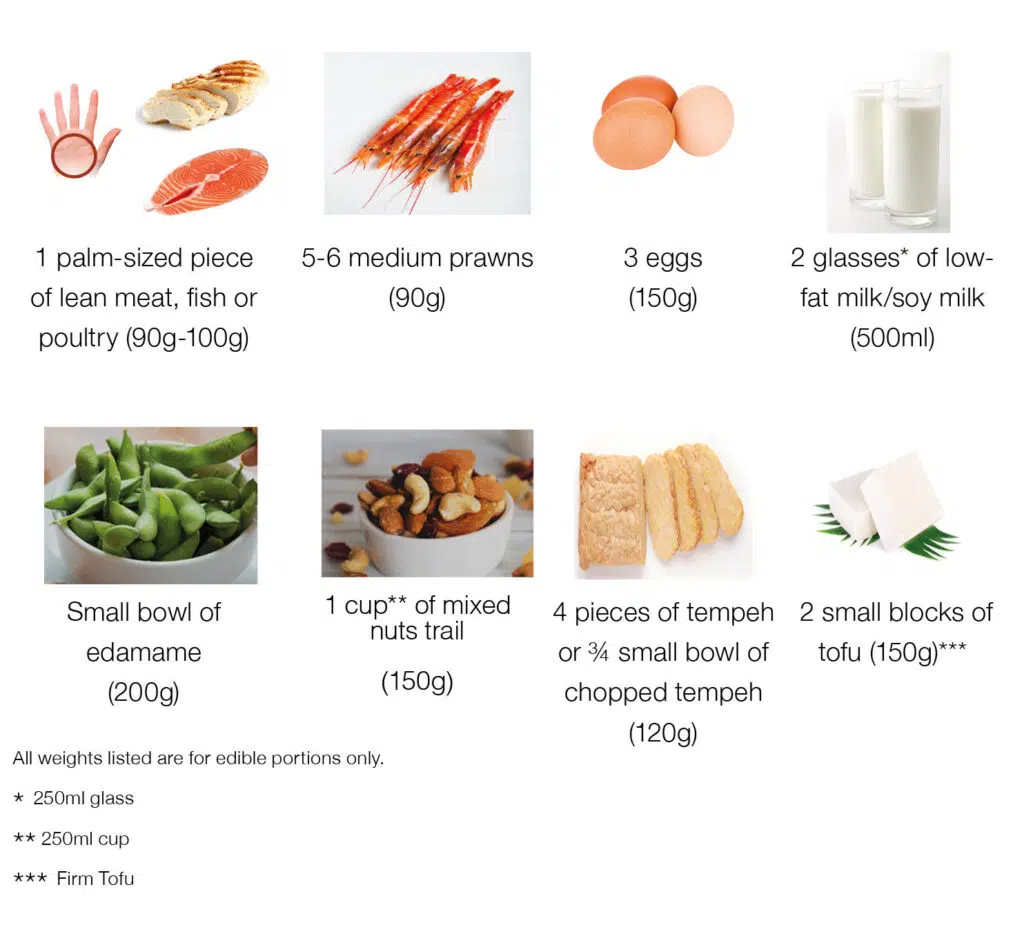
The best high-protein foods in Singapore are the ones you can buy easily, afford regularly, and fit into your normal meals. Good choices include chicken breast, fish, eggs, lean beef, Greek yogurt, tofu, tempeh, soy milk, lentils, and beans. You do not need imported specialty foods to eat well.
What Are the Best Animal-Based Protein Foods?
Animal-based protein foods are useful because they are usually rich in complete protein, meaning they contain all essential amino acids. Popular options include chicken breast, eggs, fish, lean beef, and dairy products like Greek yogurt. These foods can support muscle recovery, strength training, and more convenient meal planning.
- Chicken breast: Lean, easy to cook, and useful for meal prep.
- Fish: Supports protein intake and may also add healthy fats.
- Eggs: Affordable, flexible, and easy to add to breakfast or lunch.
- Greek yogurt: A practical snack with more protein than standard yogurt.
What Are the Best Plant-Based Protein Foods?
Plant-based protein foods can also work well, especially when meals are built thoughtfully. Good local options include tofu, tempeh, taukwa, soy milk, lentils, chickpeas, and beans. Plant proteins may need a little more planning for some people, but they can still support muscle, fullness, and overall diet quality.
- Tofu: Easy to add to soups, stir-fries, and mixed rice meals.
- Tempeh: Dense, filling, and often higher in protein than many other plant options.
- Taukwa: A practical local choice that fits many Asian meals.
- Legumes: Lentils and chickpeas work well in soups, salads, and side dishes.
Do You Need Supplements to Hit Your Protein Goal?
No, most people do not need supplements if they can consistently eat enough protein-rich food through normal meals. Protein powders can be convenient, but they are not required. Whole foods should usually come first, especially if you are still building habits around regular eating, recovery, and nutrition basics.
What Are the Best High-Protein Hawker Foods?
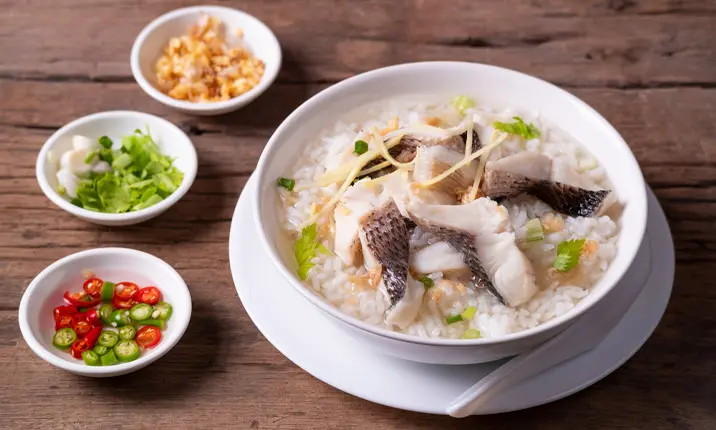
Hawker food can absolutely fit a high-protein diet if you order with a little more intention. Good options usually include dishes built around chicken, fish, eggs, tofu, or soup-based meals. The goal is not to avoid hawker centres. The goal is to choose versions that give more protein and less unnecessary overload.
Which Hawker Dishes Are Better for Protein Intake?
Stronger protein-focused hawker choices often include sliced fish soup, fish ball noodle soup, yong tau foo, chicken rice with sensible portions, and economic rice with fish, chicken, egg, or tofu. These meals are easier to work with because the protein source is clear and easier to adjust.
- Sliced fish soup: Usually lighter and centered around a clear protein source.
- Yong tau foo: Lets you choose tofu, eggs, fish paste items, and vegetables more intentionally.
- Chicken rice: Can work better when portions and add-ons are managed sensibly.
- Economic rice: Easier to control when you deliberately choose protein-first sides.
How Can You Order Hawker Food More Smartly?
You can order more smartly by choosing grilled, steamed, boiled, or soup-based items more often and limiting heavily fried add-ons or rich sauces. Ask for less rice, add an egg, choose tofu, or prioritize fish or chicken. These small changes add up without making local food feel restrictive or joyless.
What Should You Limit Even if a Meal Looks High in Protein?
A meal can still be high in protein and overly heavy in oil, sugar, or processed meat. That is why it helps to limit deep-fried items, very creamy gravies, heavily sweetened drinks, and ultra-processed meats more often. The better goal is balance, not perfection or total food fear.
This approach fits well with RAW Active topics like healthier food choices and reading food labels.
How to Eat More Protein Without Overcomplicating Your Diet
The easiest way to eat more protein is to make simple swaps inside the meals you already eat. Add eggs, choose milk or soy milk over sugary add-ons, pick yogurt over chips, and make sure each main meal has a clear protein source. Small repeatable changes usually work better than dramatic diet overhauls.
What Are Easy Protein Upgrades for Breakfast?
Breakfast becomes more useful when it includes a protein source instead of only refined carbs and sugar. Eggs, Greek yogurt, peanut butter, soy milk, or oats prepared with milk can all help. You do not need a “fitness breakfast.” You just need a breakfast that keeps you fuller and supports your training better.
- Add eggs: Eggs work well with toast, oats, or simple local breakfasts.
- Use milk or soy milk: A small upgrade over sugary drink add-ons.
- Try Greek yogurt: A practical snack or breakfast base with more protein.
- Use peanut butter sensibly: Helpful in moderation as part of a balanced meal.
What Are Easy Protein Upgrades for Lunch and Dinner?
Lunch and dinner are easier when you think “protein first” before filling the rest of the plate. Choose fish, chicken, tofu, eggs, or lean meat, then add vegetables and a sensible carb portion. This keeps meals simpler and supports recovery, energy, and muscle goals without needing a fully rigid diet.
What Snacks Can Help You Hit Your Protein Goal?
Good protein-focused snacks include Greek yogurt, soy milk, mixed nuts, boiled eggs, tofu-based snacks, or simple dairy-based options that fit your tolerance. Snacks do not need to be perfect. They just need to stop you from drifting into long low-protein gaps that later turn into overeating or poor recovery choices.
For readers also working on body composition, this fits naturally with fat-loss habits, building muscle, and recovery basics.
What Protein Myths Should You Ignore?
Many protein myths make nutrition harder than it needs to be. Protein is not only for bodybuilders, and it is not a guaranteed fat-loss shortcut either. Good protein intake helps, but results still depend on your full routine. That includes calories, movement, recovery, sleep, and how well your diet fits real life.
Is More Protein Always Better?
No, more protein is not always better. Eating enough matters, but chasing excessive amounts does not automatically create more muscle or better fat loss. For healthy people, higher protein can still be useful, but it should fit the bigger diet. People with certain medical conditions should speak with a qualified professional first.
Can Protein Alone Make You Lose Weight?
No, protein alone does not make you lose weight. It may help fullness and support lean mass, but fat loss still depends on total calorie balance, activity, and consistency. This is why protein works best inside a wider plan, not as a shortcut. That aligns with holistic fitness.
Are Plant Proteins Inferior to Animal Proteins?
Plant proteins are not automatically inferior, but they can require a little more planning. Animal proteins are often easier sources of complete amino acids, while plant-based eaters may benefit from variety across the day. With good food choices, plant-based diets can still support muscle, recovery, and health goals well.
FAQ About High-Protein Food in Singapore
These common questions help make high-protein eating in Singapore feel simpler and more practical. Most people do not need a complicated meal plan. They need a better structure, smarter local food choices, and consistent protein at each meal. The goal is a sustainable pattern, not a short burst of perfect eating.
What is the easiest high-protein food to buy in Singapore?
One of the easiest high-protein foods to buy in Singapore is eggs because they are affordable, easy to store, and simple to add to meals. Other easy options include Greek yogurt, tofu, chicken breast, soy milk, and canned fish. Convenience matters because easy foods are the ones people repeat.
Can hawker food be high in protein?
Yes, hawker food can be high in protein if you choose dishes built around fish, chicken, eggs, or tofu and make a few sensible ordering changes. Soup-based meals, yong tau foo, and protein-focused mixed rice combinations often work well. The key is intentional ordering, not total avoidance of local food.
Is protein important if I am trying to lose fat, not build muscle?
Yes, protein still matters during fat loss because it helps with fullness and may support muscle retention while calories are lower. You do not need to train like a bodybuilder to benefit from it. Better protein intake often makes dieting feel more stable and less likely to drift into constant hunger.
Do older adults in Singapore need more protein?
Yes, older adults often need to pay more attention to protein because muscle loss becomes more common with age. That does not mean eating extreme amounts. It means spreading enough protein through the day and pairing it with regular movement and strength training where appropriate.
Final takeaway: The best high-protein diet in Singapore is the one you can repeat with normal local food. Build each meal around a clear protein source, make smarter hawker choices, and stop looking for perfection. When protein intake supports your training, recovery, and appetite, the rest of your plan usually becomes easier to maintain.