If you are over 50 and want to feel stronger, move better, and stay independent for longer, the best fitness approach is not extreme workouts or random online routines. It is a personalised combination of strength training, mobility work, balance practice, cardiovascular conditioning, and sustainable recovery habits that match your body, your health history, and your goals.
In Singapore, more adults over 50 are realising that fitness is no longer just about weight loss. It is about staying active, reducing aches and stiffness, improving confidence in daily movement, and protecting long-term health. Whether your goal is to climb stairs without knee discomfort, carry groceries more easily, improve posture, or simply feel more energetic, the right training plan can make a major difference.
Why fitness over 50 matters more than ever
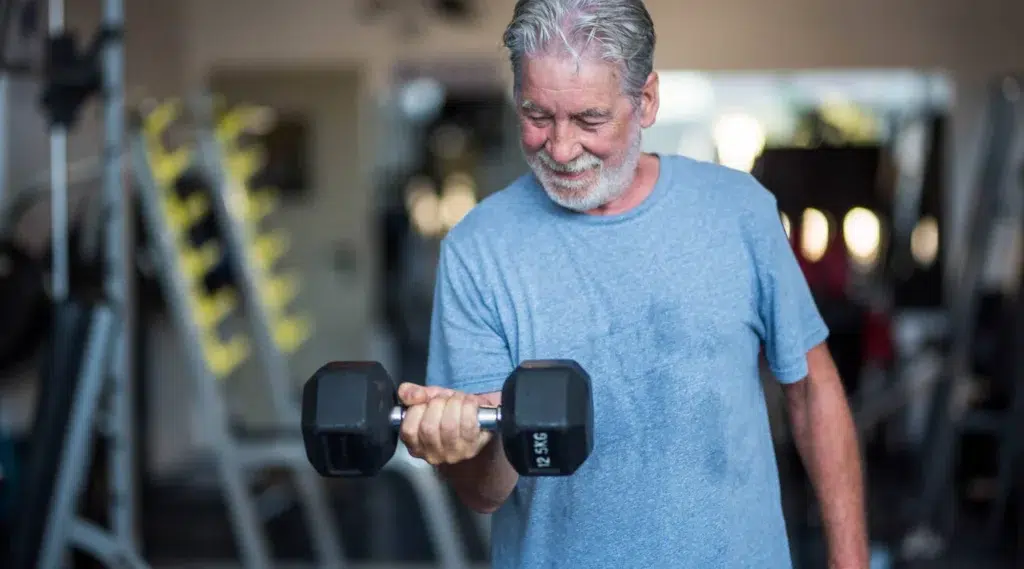
As we age, the body naturally changes. Muscle mass tends to decline, lower-body power drops, recovery can take longer, and balance may become less reliable. But ageing does not automatically mean rapid decline. A large part of what people experience as “getting old” is influenced by modifiable factors such as inactivity, low strength, poor metabolic health, and loss of movement confidence. Your body remains highly trainable well beyond 50.
That is why the goal is not simply to exercise more. The goal is to train the physical qualities that most strongly support healthspan: cardiorespiratory fitness, muscle mass, lower-body power, grip strength, movement quality, and healthy inflammation levels. These are some of the most meaningful markers linked to how well we function and how well we age.
The health markers that matter after 50
A smart fitness plan for adults over 50 should improve more than appearance. It should support the metrics that affect long-term function and resilience.
1. VO₂ max and cardiovascular capacity
VO₂ max is one of the strongest predictors of long-term health outcomes. In simple terms, it reflects how effectively your body uses oxygen during exercise. Better cardiorespiratory fitness is closely linked to lower risk of premature death, better stamina, and improved daily energy. For many adults over 50, improving aerobic fitness through walking, cycling, rowing, intervals, or guided conditioning is one of the highest-return changes they can make.
2. Muscle mass and metabolic health
Muscle is not just for strength or aesthetics. It is a major metabolic organ and plays a central role in glucose control, insulin sensitivity, and healthy ageing. The presentation notes that skeletal muscle is responsible for roughly 80% of post-meal glucose uptake, which is one reason resistance training becomes even more valuable with age. Preserving lean mass helps support energy, function, and long-term metabolic health.
3. Lower-body power
For adults over 50, power matters as much as strength, and in some cases more. Lower-body power is the ability to produce force quickly, which is essential when catching yourself during a stumble, climbing steps, standing up from a chair, or reacting to a sudden loss of balance. The presentation highlights that lower-extremity power is more predictive of physical performance than strength or aerobic capacity alone, and that power declines faster than strength with ageing.
4. Grip strength
Grip strength is often described as a simple but powerful marker of overall physical reserve. In the uploaded presentation, each 5 kg decrease in grip strength is linked with a 16% increase in all-cause mortality risk. While grip strength is not the only metric that matters, it is a reminder that whole-body strength and neuromuscular health are deeply connected to healthy ageing.
5. Chronic inflammation and recovery capacity
Low-grade chronic inflammation is a major factor in many age-related health issues. The good news is that exercise is not just calorie burning. It acts like a systemic signal that can improve insulin sensitivity and promote a healthier anti-inflammatory state. That means the right kind of training can support not only movement and strength, but also better internal health.
What is the best type of exercise after 50?
The best exercise plan after 50 is balanced, progressive, and specific to the individual. Most people benefit from a combination of:
- strength training
- mobility and flexibility work
- balance and coordination training
- low-impact cardiovascular work
- recovery and lifestyle support
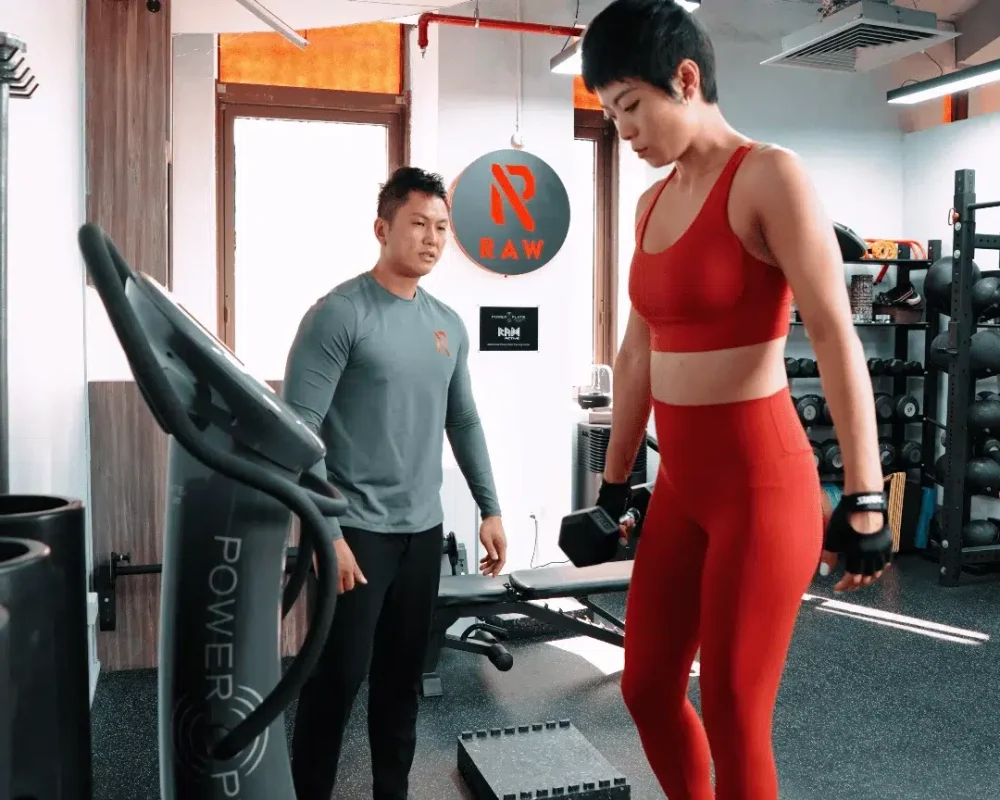
At RAW Active, this kind of training is built around consultation, measurement, movement assessment, tailored programme design, lifestyle support, and ongoing review. That approach is especially relevant for adults who want training that respects previous injuries, joint pain, medical conditions, or movement restrictions instead of forcing them into a generic programme.
Why strength alone is not enough
Many people think that if they lift weights, they have covered everything. But after 50, it is important to build not just strength, but also control, balance, power, and confidence in movement.
For example, improving leg strength can help daily function, but improving the speed and coordination of that strength may be even more important for preventing falls and maintaining independence. The presentation also connects leg strength with later-life brain health, noting a relationship between stronger legs and greater grey matter later in life. This makes functional lower-body training valuable not only for mobility, but for broader healthy ageing.
Bone health, balance and fall prevention
Bone health is another critical piece of the picture after 50, especially for women after menopause and for anyone concerned about fracture risk. Bone responds to mechanical loading over time, which means appropriately designed exercise can help support bone strength rather than simply trying to “maintain” what is left. The presentation summarises this clearly: bone requires load, rate, and repetition over time.
This is also why balance training, lower-body strength, and power work matter so much. The goal is not only stronger muscles, but a body that reacts better, stabilises better, and moves with more control in daily life.
Where Whole Body Vibration (WBV) may fit into a fitness-over-50 programme
One of the useful additions from your uploaded presentation is the role of whole body vibration (WBV) as a potential training tool for older adults.
According to the presentation, WBV has been associated with improvements in VO₂ peak, balance, muscle power, functional lower-body strength, anti-inflammatory status, and bone-related outcomes in older adults and postmenopausal women. It is also presented as an accessible way to train power and improve rates of force development, especially for individuals who may not tolerate more aggressive training methods well.
That does not mean WBV replaces resistance training, walking, or mobility work. But it may be a useful addition within a well-designed programme, particularly for adults over 50 who need a lower-impact option to support strength, stability, circulation, and neuromuscular activation.
What to avoid when starting fitness after 50
Many people over 50 do not fail because they are incapable. They fail because they follow the wrong method.
Common mistakes include:
- jumping into high-intensity classes too quickly
- copying workouts designed for younger people
- ignoring pain signals
- chasing scale weight instead of body composition and function
- training without proper technique or progression
This is where guided coaching matters. RAW Active emphasises a metric-driven, data-backed system that includes baseline measurement, movement analysis, rehab/prehab-aware programming, and progress tracking. For adults over 50, this makes training safer, more targeted, and easier to sustain.
How RAW Active supports adults over 50 in Singapore
At RAW Active, the focus is not just “exercise more.” It is to help people train to stay out of pain, improve functional strength, and build a healthier body through personalised programming. Their personal training model includes body measurement, movement assessment, tailored programme design, lifestyle support, and tracked progression. That is especially valuable for adults over 50 who want clarity, structure, and expert support rather than guesswork.
For someone in their 50s, 60s, or beyond, this can mean:
- improving balance and lower-body confidence
- rebuilding strength after inactivity
- training around past injuries or joint pain
- improving body composition and energy
- maintaining independence and quality of life
That is what fitness over 50 should really be about.
Final word
Fitness over 50 is not about trying to train like you are 25. It is about building a body that is stronger, steadier, more energetic, and more resilient for the life you want to live now.
The strongest programmes for this stage of life focus on the things that matter most: aerobic capacity, muscle mass, power, balance, bone health, movement quality, and sustainable recovery. And as your uploaded presentation highlights, these qualities are not fixed. They are trainable.
If you want a safer, more personalised route to strength, balance and energy in Singapore, RAW Active offers a structured, evidence-informed approach designed around your body, your goals, and your long-term health.
Fitness Over 50 in Singapore: FAQ
1) What is the best personal trainer over 50 in Singapore?
The best personal trainer over 50 in Singapore is one who assesses your mobility, injury history, strength, balance, and goals before building a personalised plan. For adults over 50, generic workouts are usually less effective than structured coaching that adapts to joint pain, medical considerations, and recovery needs.
2) Is it safe to start personal training after 50?
Yes, for most people it is safe to start personal training after 50, especially when the programme is gradual, personalised, and supervised properly. If you have pre-existing medical conditions, joint pain, or a long break from exercise, it is wise to get medical clearance and work with a coach who prioritises form, progression, and injury prevention.
3) Can you still build muscle after 50?
Yes, you can still build and maintain muscle after 50 with regular strength training, appropriate progression, and good nutrition. This matters because muscle supports daily function, metabolic health, and long-term resilience, and age-related muscle loss is highly modifiable with the right training approach.
4) What type of exercise is best for adults over 50?
The best exercise plan for adults over 50 usually includes strength training, mobility work, balance practice, and low-impact cardiovascular exercise. This combination supports muscle mass, coordination, posture, bone health, and confidence in daily movement better than relying on only cardio or only weights.
5) Why is strength training important after 50?
Strength training is important after 50 because it helps preserve muscle mass, improve bone density, support joint stability, and make daily tasks easier. It can also reduce fall risk and improve posture, balance, and functional fitness, which are essential for staying active and independent as you age.
6) Can a personal trainer help if I have knee pain, back pain, or an old injury?
Yes, a qualified personal trainer can help by adjusting exercises to your current ability, movement restrictions, and pain history. A rehab-aware, functional training approach is especially useful for adults over 50 because it focuses on restoring movement quality, improving strength safely, and helping you train without aggravating existing issues.
7) Why does lower-body power matter after 50?
Lower-body power matters after 50 because it helps you react quickly, catch yourself during a stumble, climb stairs, and rise from a chair more easily. Research highlighted in the uploaded longevity presentation suggests lower-extremity power is even more predictive of physical performance than strength or aerobic capacity alone.
8) Can whole body vibration (WBV) help adults over 50?
Whole body vibration may help adults over 50 as part of a broader training plan, particularly for balance, muscle power, functional lower-body strength, and cardiorespiratory fitness. The uploaded presentation also notes potential benefits related to anti-inflammatory status and bone-related outcomes, although it should be used as a complement to, not a replacement for, personalised exercise programming.
9) What results can I expect from a personal trainer over 50 in Singapore?
With the right personal trainer, adults over 50 can expect improvements in strength, balance, mobility, body composition, confidence, and day-to-day energy. Many of the most meaningful outcomes are practical ones, such as moving with less stiffness, feeling steadier on your feet, and finding everyday activities easier and less tiring.
10) How do I choose the right personal trainer over 50 in Singapore?
Choose a personal trainer over 50 in Singapore who uses assessment, progress tracking, and personalised programming instead of a one-size-fits-all method. It is also worth looking for experience with rehab or prehab training, functional strength, health-related limitations, and a coaching style that supports sustainable progress rather than quick fixes.
Ready to train smarter after 50?
Explore RAW Active personal training and start with a programme built around your strength, mobility, body composition, and long-term health goals.
- Fitness Over 50: Build Strength, Balance, and Energy - June 10, 2026
- How Can I Get Personalized Fitness Guidance? (The Complete Guide) - April 24, 2026
- The Ultimate Guide to Personal Training in Singapore (2026 Edition) - April 21, 2026