Losing weight and keeping it off can be a challenging journey for many adults. The fitness shelf is crowded with crash diets, magic fat-burners, and 30-day challenges that deliver short-term losses and long-term rebounds. Sustainable fat loss is the opposite. It is a steady, repeatable project built on six strategies the body actually responds to. The strategies below have been tested across thousands of clients and they are the ones RAW Active programmes run on every week.
This guide reorganises the original RAW Active article into a clearer structure with practical detail, plain-language cues, and a Singapore-friendly framing. Use the six strategies below as your operating system for the next 90 days. The order matters less than the consistency.
The Importance of Sustainable Fat Loss
Before diving into the strategies, it is important to understand why sustainable fat loss is crucial for long-term health and wellness. Crash diets and extreme weight loss methods may provide quick results, but they are not sustainable in the long run. Not only can they be harmful to physical health, but they can also lead to a cycle of yo-yo dieting and weight gain.
Sustainable fat loss, on the other hand, focuses on making lifestyle changes that can be maintained for the long term. This not only leads to a healthier body, but also a healthier mindset towards food and weight. The body does not respond to willpower. It responds to patterns.
Why sustainability beats intensity
- Crash cuts raise cortisol. Stress hormones push the body to hold on to fat, especially around the belly.
- Muscle loss slows the metabolism. The scale drops, but so does the engine that burns the next meal.
- Hunger spikes rebound. Restriction today drives overeating tomorrow.
- Repeat cycles erode trust in the plan. A plan you cannot keep is a plan that does not work.
- Health markers slip. Cholesterol, blood pressure, and inflammation usually worsen on crash diets.
The six strategies below stop all five patterns at once.
Strategy 1: Focus on Whole, Nutrient-Dense Foods
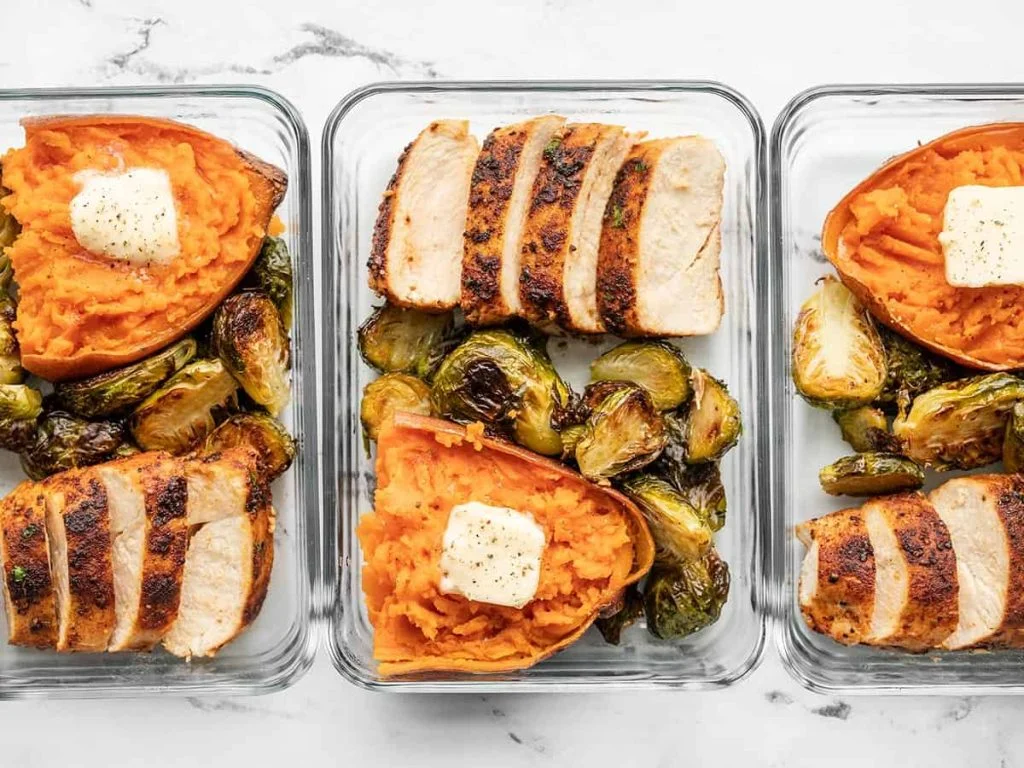
One of the most effective strategies for sustainable fat loss is to focus on whole, nutrient-dense foods. This means choosing foods that are minimally processed and rich in nutrients such as fruits, vegetables, lean proteins, and healthy fats.
These foods not only provide the body with the necessary nutrients for optimal functioning, but they also keep you feeling full and satisfied. This helps prevent overeating and cravings for unhealthy foods. Most adults only need to fix the plate template, not count every calorie.
What a nutrient-dense plate looks like
- Half the plate is non-starchy vegetables — leafy greens, broccoli, peppers, tomatoes, cucumbers.
- A quarter of the plate is lean protein — chicken, fish, tofu, tempeh, eggs, legumes.
- A quarter of the plate is whole grains or starchy vegetables — brown rice, oats, sweet potato, whole-grain noodles.
- A small amount of healthy fats — olive oil, nuts, seeds, avocado.
- One to two servings of fresh fruit a day as the main dessert.
Run this template at lunch and dinner for two weeks and the food log changes without any willpower used.
Foods to crowd out, slowly
- Sugary drinks and packaged fruit juice.
- Refined snacks — biscuits, chips, and cream-filled pastries.
- Processed meats — bacon, sausage, and deli slices as daily staples.
- Fried fast food eaten more than twice a week.
- Sweetened coffee and bubble tea ordered daily.
Crowd them out, do not eliminate. Replacing them with whole-food versions is what the body responds to.
Strategy 2: Incorporate Strength Training
While cardio exercises are great for burning calories, incorporating strength training into your workout routine is essential for sustainable fat loss. Strength training helps build lean muscle mass, which in turn increases metabolism and helps you burn more calories throughout the day.
Additionally, strength training helps improve overall body composition, giving a more toned and defined appearance. The mirror shows it before the scale does.
A starter strength week
- Day 1 (Full body, lower). Squat pattern, hip hinge, calf raise, core block.
- Day 2 (Steady cardio). 30 to 40 minutes at conversational pace.
- Day 3 (Full body, upper). Push, pull, single-arm row, core block.
- Day 4 (Walk). 30 to 45 minutes brisk.
- Day 5 (Full body, lower, lighter). Repeat Day 1 patterns at 70 percent load.
- Day 6 to 7. Rest. Walk if energy is good.
Why strength is the fat-loss lever, not cardio alone
- Metabolism stays higher. Muscle burns more energy than fat, even at rest.
- Hormones stay balanced. Strength work improves insulin sensitivity.
- Appetite regulates. Trained muscles send clearer hunger and fullness signals.
- Body composition changes. The same body weight looks different with more muscle and less fat.
- Athletic life stays possible. Strength is the insurance against injury as the body ages.
Strategy 3: Practice Mindful Eating
Mindful eating is a practice that involves paying attention to your food and eating habits. This helps you become more aware of your body’s hunger and fullness cues, which can prevent overeating. Most adults overeat not because they are hungry, but because the kitchen is open.
To practice mindful eating, try to eat without distractions, such as watching TV or scrolling through your phone. Take the time to savour each bite and pay attention to how the body feels as you eat. A 20-minute meal eaten at the table is worth more than a 6-minute meal eaten in front of a screen.
Five habits that build mindful eating
- Plate the meal. Avoid eating straight from packets or shared bowls.
- Sit at a table. A simple chair and table are a powerful cue for the body.
- Eat slowly. Aim for the meal to last 15 to 20 minutes.
- Pause halfway. Check in with hunger and fullness before finishing.
- Notice triggers. If a pattern pulls you to snack, name it.
The cues the body actually sends
- Hunger feels like a slight pull in the stomach, paired with steady energy.
- Fullness feels like a soft pressure in the upper belly, with food starting to lose appeal.
- Satisfaction shows up after a balanced meal — protein, fibre, and a touch of fat.
- Craving usually points to a flavour, not a nutrient. It can wait 15 minutes and usually passes.
Two weeks of eating like this is enough to reset most adult hunger signals.

Strategy 4: Get Enough Sleep
Getting enough quality sleep is crucial for sustainable fat loss. Lack of sleep can disrupt hormones, leading to increased hunger and cravings for unhealthy foods. When tired, you may also be less likely to make healthy food choices and have the energy to exercise.
Aim for 7 to 9 hours of sleep each night to support weight loss efforts. This recommendation comes up across most healthy-fat-loss frameworks. The body uses sleep to regulate the hormones that drive how you eat the next day.
What broken sleep does to the scale
- Ghrelin rises. Hunger hormones climb after short nights.
- Leptin drops. Fullness hormones fall, so you feel hungry again at lunch.
- Insulin sensitivity drops. The body handles carbs less well.
- Willpower drops. The same snack feels harder to refuse.
- Stress hormones rise. Cortisol stays elevated, which pushes the body to hold on to fat.
Why sleep is a fat-loss switch
Most adults treat sleep as a reward. The research points the other way — sleep is the foundation that lets the rest of the plan work. Adults who consistently sleep 7 to 9 hours lose fat faster than adults on the same nutrition and training plan with broken sleep, even when their daily calories are identical. Recovery is part of the project.
A workable sleep plan
- Fixed sleep and wake time. Even on weekends, within 30 minutes.
- 30-minute wind-down. Dim lights, no screens, light stretching.
- Caffeine cutoff. 8 to 10 hours before bed.
- Cool, dark bedroom. Around 18 to 20 °C with blackout curtains.
- Phone out of the bedroom. The most underrated sleep lever.

Strategy 5: Stay Hydrated
Staying hydrated is important for overall health, but it can also aid in fat loss. Drinking water helps you feel full and prevents overeating. It also helps boost metabolism and aids in digestion.
Aim to drink at least 8 glasses of water a day, and try to replace sugary drinks with water to cut down on unnecessary calories. The hydration habit is one of the cheapest, most reliable levers adults have. Singapore’s heat makes the baseline slightly higher than most temperate cities.
How hydration drives fat loss
- Hunger cue fix. The brain often confuses thirst with hunger.
- Metabolic bump. Drinking cold water raises calorie burn for a short window.
- Digestion support. Protein, fibre, and processed food all need water.
- Training performance. Better hydration equals better sessions, and better sessions drive better body composition.
- Skin and joints. Hydration supports recovery, which keeps the plan running.
A daily hydration baseline
- 2 to 3 glasses on waking, about 500 to 700 ml.
- 1 glass with each meal.
- 150 to 250 ml every 15 to 20 minutes of training.
- 1 to 2 extra glasses on hot or humid days.
Plain water, sparkling water, and unsweetened tea count. Sweetened drinks, fruit juice, and bubble tea do not.
Strategy 6: Find an Exercise Routine You Enjoy
Sustainable fat loss is all about finding a balance and making lifestyle changes that you can maintain long-term. This includes finding an exercise routine that you enjoy and can stick to.
If you dread going to the gym, try finding other forms of physical activity that you enjoy, such as hiking, dancing, or playing a sport. This makes exercise more enjoyable and helps you stay consistent with your workouts, even during harder weeks.
What “enjoyable” actually means
- A routine that fits the calendar. If it does not fit, it does not happen.
- A routine that fits the body. If it hurts, the body will eventually refuse.
- A routine that fits the social life. Most adults stick with what their friends and family support.
- A routine that builds energy, not drains it. A good plan charges the body for the next day.
Options beyond the gym floor
- Outdoor running along Singapore’s park connectors.
- Indoor cycling or spin classes.
- Swimming laps at a public pool.
- Strength training in a small group setup.
- Hiking the MacRitchie trails on weekends.
- Badminton, squash, or basketball with a regular group.
- Yoga, Pilates, or mobility classes for low-impact recovery weeks.
- Dance classes that double as social time.
The point is not the type of activity. The point is the consistency. Pick the activities that you can return to in week 6, week 12, and week 24. The body keeps responding to what you actually do, not what you planned to do.
How the Six Strategies Connect
Each strategy pulls the same direction. Whole foods supply the building blocks. Strength training raises the engine. Mindful eating removes the gap between real hunger and stress eating. Sleep resets the hormones. Hydration keeps the system running. Enjoyable exercise is what makes the plan stick.
Run all six together and fat loss becomes a side effect of feeling better. Run them in isolation and the plan stalls within six to eight weeks. The connection matters as much as the parts.
A 12-week roll-out
- Week 1 to 2. Set the plate template and a fixed sleep window. No other changes.
- Week 3 to 4. Add 2 strength sessions and a daily walk.
- Week 5 to 6. Layer in mindful eating and the hydration baseline.
- Week 7 to 8. Add the third strength session. Build the enjoyable routine.
- Week 9 to 12. Tune calories by 100 to 200 kcal based on the trends. Hold the habits.
What Could Quietly Weaken the Plan
Five habits can drag all six strategies down if you let them. Watch for these patterns:
- Skipping sleep to fit training in. Cuts fat loss in half within a week.
- Reward eating after workouts. A 400 kcal session plus a 600 kcal snack is fat storage.
- Cutting calories too deep for too long. Crashes hormones and stalls the plan.
- Skipping strength to do more cardio. Slows metabolism and burns muscle.
- Relying on supplements. Supplements cannot replace the six strategies. Read about weight-loss supplements with a clear head.
How to Use Strength Training Around Cardio
The ordering matters. Most adults want to know whether to lift or run first. Read strength training before or after cardio for the deeper take, but a working rule is straightforward: lift first when the goal is fat loss and muscle retention. Run or cycle first when the goal is cardio performance. Lift on most days, and save long cardio sessions for days when the legs are fresh.
A Few Notes on Singapore-Friendly Adjustments
Singapore’s heat and humidity shift a few of the practical levers.
- Hydration. Add an extra 500 ml on training days and on hot afternoons.
- Training times. Early morning or post-7 pm sessions are easier on the body in the wet season.
- Plate template. Hawker meals can fit the template. Choose vegetable dishes, lean proteins, and one serving of starch.
- Walking. Park connectors and the Singapore River walks are useful low-intensity options.
Final Takeaway
Sustainable fat loss is not a quick fix. It is a journey that requires dedication and consistency. By incorporating these six strategies into your lifestyle, you can achieve your weight-loss goals in a healthy and sustainable way, and improve overall health and well-being at the same time.
Focus on whole, nutrient-dense foods. Incorporate strength training. Practice mindful eating. Get enough sleep. Stay hydrated. Find an exercise routine you enjoy. The six strategies work together. The body responds to the system, not the angle.
Frequently Asked Questions
How fast should I expect fat loss on this plan?
Aim for 0.5 to 1 percent of body weight per week. Anything faster usually means more water and muscle lost than fat. The plan that lasts is the plan that keeps the lean tissue.
Do I need to cut out carbs completely?
No. Carbs are fuel for training and recovery. Keep protein, fibre, and total calories in check, and carbs fit naturally into the plan. Cheat days are the exception, not the rule.
How important is strength training for fat loss?
It is the most important piece after sleep and nutrition. Strength training protects muscle, keeps the metabolism high, and shapes the body through fat loss. Read the full strength training guide for details.
How does sleep affect fat loss?
Sleep resets the hormones that drive hunger, fullness, and stress. Short nights push the body to hold on to fat. A steady 7 to 9 hours is one of the strongest fat-loss levers there is.
Is it OK to eat the same foods I enjoy?
Yes, as long as the daily pattern still hits the plate template and the calorie band. Sustainable plans include foods you like. The plan that bans everything is the plan you stop using.
How much water should I drink on training days?
Add 500 to 750 ml across the session. Hydration before, during, and after training all count. The body tolerates heat and humidity better when the baseline is steady.
What if I have already tried several fat-loss plans?
Most prior plans fail because one or two of the six strategies slipped. Walk through the six strategies and rate each one out of 10. The one with the lowest score is usually the one to fix first. Read fat-loss vs weight loss for the deeper take on why the difference matters.
Do I still need a personal trainer for fat loss?
Strictly, no. The six strategies work on their own. In practice, a coach removes the planning load, holds you accountable, and catches the small errors before they compound. Personal training at RAW Active in Singapore fits around busy schedules and runs the six strategies on a weekly cadence so the plan actually happens.