TL;DR: The “fat loss switch” is not a literal switch. It is a simple way to describe how your body responds to food, activity, sleep, stress, and muscle mass. For better fat loss results, focus on high-protein meals, regular strength training, enough daily movement, better meal timing, and realistic habits you can keep.
- What Is the Fat Loss Switch?
- How Does Fat Loss Actually Work?
- What Are the Best Food Strategies for Fat Loss?
- What Are the Best Training Strategies for Fat Loss?
- Why Do Different Types of Body Fat Matter?
- What Mistakes Make Fat Loss Harder?
- FAQ About the Fat Loss Switch
What Is the Fat Loss Switch?
The fat loss switch is a metaphor for how your metabolism responds to daily habits. It is not a real button in the body. Fat loss happens when training, food quality, protein intake, sleep, stress, and energy balance work together in a way that supports using stored energy more efficiently.
Why Is the Fat Loss Switch a Metaphor and Not a Real Thing?
The phrase is useful because it simplifies a complex process, but it can also mislead people if taken literally. The body does not suddenly “flip” into perfect fat burning. Instead, fat loss usually improves gradually when your habits support better energy balance, muscle retention, appetite control, and recovery.
What Controls Whether the Body Stores or Uses Fat?
Your body responds to several factors at the same time, including calorie intake, protein intake, daily movement, training load, sleep quality, and stress. Hormones, appetite, muscle mass, and insulin sensitivity all play a role. That is why sustainable fat loss usually comes from systems and habits, not shortcuts.
- Energy balance: You still need a calorie deficit over time for fat loss.
- Muscle mass: More lean mass often supports a higher energy demand.
- Protein intake: Protein may help satiety and muscle retention.
- Daily habits: Sleep, stress, and movement all affect consistency.
How Does Fat Loss Actually Work?
Fat loss works when the body uses more energy than it takes in over time while still protecting muscle and recovery. That process is influenced by food quality, portion control, training, and routine. A good plan helps you create a deficit without making the process so extreme that you cannot sustain it.
Why Does Protein Matter So Much for Fat Loss?
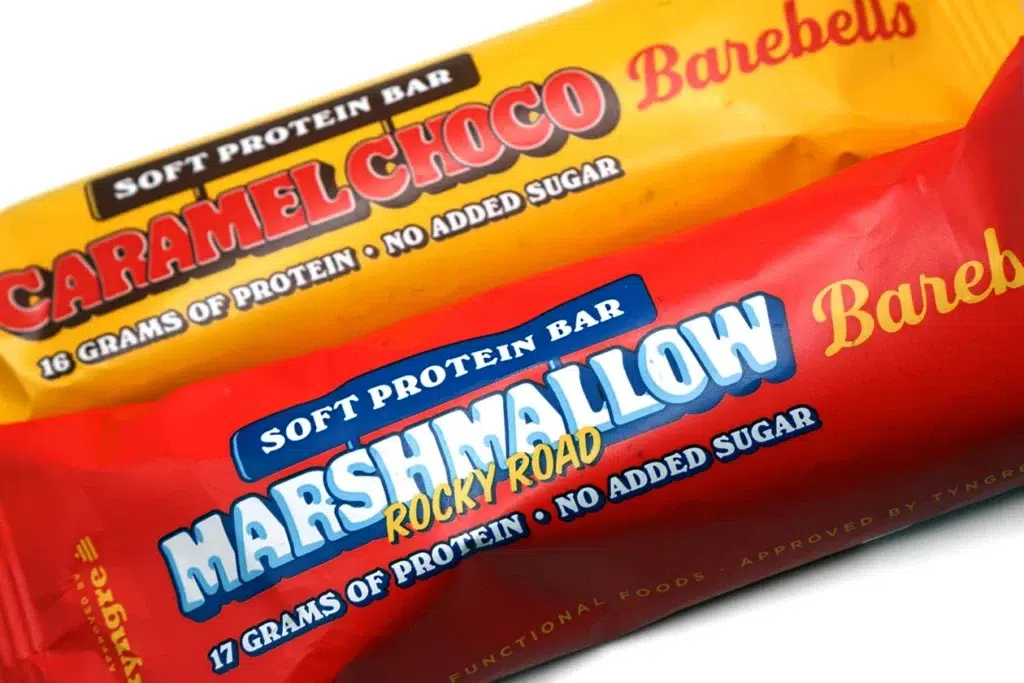
Protein matters because it helps support muscle retention, appetite control, and the thermic effect of food. In simple terms, the body uses more energy digesting protein than it does digesting fat. Protein-rich meals may also help you stay fuller, which can make a calorie deficit easier to maintain.
If nutrition support is part of the goal, personal training and nutrition and high-protein foods fit naturally into a more practical fat loss plan.
Does Eating Earlier in the Day Help Fat Loss?
Eating earlier may help some people manage hunger, energy, and food choices better across the day. The idea is that appetite and eating patterns often become harder to manage later at night. Early meals are not magic, but they can support better routine, better choices, and more controlled portions.
Can Green Tea Help With Fat Loss?
Green tea may offer a small supportive effect because it contains caffeine and compounds like EGCG. For some people, it may slightly support energy expenditure or fat oxidation. Still, the effect is modest. Green tea works best as a small add-on to good habits, not as a main fat loss strategy.
- Protein first: Include protein in meals and snacks to support fullness and recovery.
- Earlier structure: Front-loading more calories may help some people reduce late-night overeating.
- Hydration: Fluids support training quality, appetite awareness, and recovery.
- Green tea: It may help a little, but it will not replace a good plan.
What Are the Best Food Strategies for Fat Loss?
The best food strategies for fat loss are simple enough to repeat. Prioritise protein, choose mostly whole foods, manage portions, and build meals that support training and appetite control. Good nutrition should make you more consistent, not more stressed. A plan only works if you can keep doing it.
Why Is a Mediterranean-Style Diet Useful for Fat Loss?
A Mediterranean-style diet is useful because it usually includes whole foods, vegetables, legumes, fish, olive oil, fruit, and fibre-rich meals that support satiety and overall health. It is not the only option, but it often helps people eat better without turning nutrition into an overly strict or complicated system.
What Should a Practical Fat Loss Plate Look Like?
A practical fat loss plate should include a strong protein source, high-fibre vegetables, and a sensible portion of carbs or healthy fats based on your activity level. This structure helps many people stay fuller and make meals easier to repeat. Simpler meals often beat highly restrictive meal plans.
- Protein sources: Chicken, fish, eggs, Greek yogurt, tofu, lentils, and lean meat all work well.
- High-fibre foods: Vegetables, legumes, fruit, and whole grains may help fullness.
- Healthy fats: Olive oil, nuts, seeds, and avocado can fit in useful amounts.
- Repeatable structure: Eating well most days matters more than perfect meals once in a while.
How Can You Make Better Nutrition Choices More Consistently?
Consistency improves when food decisions are easier, not when rules become harsher. Planning protein, reading labels, and keeping meals simple often helps more than chasing diet extremes. People usually do better when they build a routine they can repeat through work, social meals, and low-motivation days.
That is where practical guides like how to read food labels and sustainable fat loss can support smarter daily decisions.
What Are the Best Training Strategies for Fat Loss?
The best training strategies for fat loss combine strength training, cardio, and higher daily movement. Training should help you burn energy, keep muscle, and stay consistent without burning out. Fat loss usually improves most when exercise supports a routine you can recover from and maintain for months, not days.
Why Is Strength Training Important for Fat Loss?
Strength training matters because it helps preserve or build muscle while you lose body fat. Muscle tissue increases the body’s energy demand and helps support movement quality, posture, and long-term function. It also makes fat loss look and feel better because the goal is not just less weight, but better body composition.
Related pages like strength training guide, how to build muscle, and functional strength training naturally expand on this point.
Should You Do Cardio, HIIT, or Both?
Both can work, but the right mix depends on your fitness level, recovery, and schedule. Steady cardio helps many people increase calorie output with lower fatigue. HIIT can be effective too, but it is harder to recover from. Most people do well with a base of regular cardio plus some harder sessions.
If you want more detail on planning this well, strength training before or after cardio and cardiovascular fitness are natural next reads.
Why Does Daily Movement Matter Outside Formal Workouts?
Daily movement matters because workouts are only one part of total energy expenditure. Walking more, standing more, and moving more between tasks can make a meaningful difference over time. This is one reason many people lose more fat when they improve their normal activity, not just gym sessions.
That fits well with RAW Active’s ideas around NEAT and daily movement, which often gets overlooked when people focus only on formal workouts.
- Strength training: Helps preserve muscle and improve body composition.
- Cardio: Supports calorie output, heart health, and recovery capacity.
- HIIT: Can be useful, but too much may hurt recovery and consistency.
- NEAT: Walking, stairs, and general movement can quietly support fat loss every day.
Why Do Different Types of Body Fat Matter?
Different types of body fat matter because not all fat behaves the same way in the body. White adipose tissue mainly stores energy, while brown adipose tissue helps generate heat. Knowing the difference gives useful context, but practical fat loss still depends more on habits than on trying to “hack” one tissue type.
What Is White Adipose Tissue?
White adipose tissue is the body fat most people mean when they talk about fat storage. It stores excess energy and plays a role in hormones and metabolism. Too much white fat, especially around the abdomen, is often linked with poorer metabolic health and higher long-term health risk.
What Is Brown Adipose Tissue?
Brown adipose tissue helps the body produce heat through thermogenesis. It burns energy rather than mainly storing it, which is why it gets attention in metabolism discussions. Even so, most real-world fat loss still comes from better nutrition, training, recovery, and lifestyle habits rather than chasing brown fat activation.
Why Does Visceral Fat Get So Much Attention?
Visceral fat gets attention because it sits around internal organs and is more strongly linked with metabolic and health problems than fat stored elsewhere. That is why waist size, body composition, and health markers can matter more than scale weight alone when judging progress or risk.
If you want deeper context, adipose tissue, visceral fat, and fat loss vs weight loss are useful related reads.
What Mistakes Make Fat Loss Harder?
Fat loss becomes harder when people chase fast results with poor sleep, low protein, inconsistent training, or unrealistic restriction. These mistakes often increase hunger, reduce recovery, and make habits harder to sustain. A better plan removes friction, builds structure, and keeps progress steady instead of dramatic.
Why Do Quick-Fix Fat Loss Methods Often Fail?
Quick-fix methods often fail because they create results that are hard to maintain. Very low calories, extreme cardio, or aggressive supplement use may produce short-term changes, but they often increase fatigue and rebound eating. Sustainable fat loss usually comes from habits that still work after motivation drops.
What Role Do Sleep and Stress Play in Fat Loss?
Sleep and stress matter because poor recovery can affect appetite, energy, training quality, and food decisions. When people sleep badly and feel constantly stressed, consistency often drops. Fat loss becomes easier when recovery supports the plan instead of fighting against it every day.
When Should You Ask for Help With Fat Loss?
You should ask for help if you feel stuck, keep regaining weight, have low energy, or cannot build a realistic routine on your own. Guidance can help simplify the process and improve consistency. For some people, coaching adds the structure needed to make fat loss safer and more sustainable.
That is where pages like cannot lose weight, weight loss shortcuts, and personal trainer Singapore can fit naturally.
- Too little protein: This may hurt satiety, recovery, and muscle retention.
- Too much intensity: More exercise is not always better if recovery is poor.
- Poor sleep: Low recovery often makes appetite and consistency worse.
- All-or-nothing thinking: One imperfect meal or workout should not derail the whole week.
FAQ About the Fat Loss Switch
These common questions help clarify what the fat loss switch really means. The short answer is that there is no magic trigger. Better fat loss usually comes from improving metabolism-supporting habits, building muscle, eating in a more structured way, and staying consistent long enough for the process to work.
Can you flip the fat loss switch quickly?
No, not in a literal sense. The body does not suddenly enter a permanent fat-burning mode overnight. What you can do is improve the conditions that support fat loss, such as protein intake, activity levels, training quality, recovery, and calorie control. That process is gradual, not instant.
Is protein more important than cardio for fat loss?
Protein and cardio do different jobs, so it is usually better to use both. Protein supports satiety and muscle retention, while cardio helps increase energy expenditure and cardiovascular fitness. Most people get the best results when nutrition, strength training, cardio, and daily movement work together instead of competing.
Does green tea burn belly fat?
Green tea may offer a small supportive effect, but it does not directly melt belly fat on its own. If it helps at all, the effect is usually modest. Belly fat improves more reliably through consistent nutrition, strength training, cardio, better sleep, and a sustainable calorie deficit.
What is the most practical first step for fat loss?
The most practical first step is usually to simplify your routine. Start by improving protein intake, walking more, strength training regularly, and reducing mindless overeating. Simple habits create momentum. Once that foundation is stable, you can make more specific changes without making the whole process feel overwhelming.
Final takeaway: Stop looking for a magic fat loss switch and start building the habits that support better metabolism. Eat more protein, lift weights, move more, recover properly, and keep the plan realistic. The best fat loss strategy is usually the one you can repeat long enough to let it work.