TL;DR: If you want to build muscle faster, focus on the basics that actually drive growth: train hard enough, recover properly, eat enough protein and calories, write down clear goals, and stay consistent long enough for the work to add up. There is no magic shortcut, but there is a smarter way to train.
- What Builds Muscle Fast?
- Why Training Hard Matters
- Why Recovery Builds Muscle
- How Goals Help You Grow
- When to Change Accessory Exercises
- How to Put It All Together
- Muscle-Building FAQ

What Builds Muscle Fast?
Building muscle as fast as your body reasonably can usually comes down to a few key habits: training with enough effort, recovering properly, eating to support growth, and sticking to a clear plan. Muscle gain is not random. It is usually the result of repeated training stress followed by enough recovery to adapt.
That is why “fast” should not mean reckless. It should mean removing the mistakes that slow progress, such as inconsistent training, poor sleep, low protein intake, or never pushing your working sets hard enough.
Can Everyone Build Muscle Quickly?
Most people can build muscle faster than they think when they train well and stay consistent, but the speed of progress still varies. Beginners often gain muscle faster in the first year, while more experienced lifters usually need more precision and patience. Genetics, training history, sleep, and food intake all influence the pace.
The good news is that progress is still possible at every stage. The method just needs to match your current level instead of relying on beginner expectations forever.
Why Training Hard Matters
Training hard matters because muscles usually need a strong enough reason to grow. If your sets are too easy or end too far from failure, the body may not see enough demand to adapt. For many people, especially after beginner gains slow down, not training hard enough is a major reason progress stalls.
This does not mean every set has to become sloppy or reckless. It means your working sets should usually feel challenging enough that the muscle is being asked to do serious work.
What Does Training Close to Failure Actually Mean?
Training close to failure means stopping a set when you are near the point where you could not complete another clean rep with good form. That level of effort often creates more useful muscle-building tension than stopping too early. It is a practical way to make working sets count without wasting time on easy reps.
For many lifters, especially intermediates, this is where progress starts to pick up again. More effort often matters more than adding endless extra exercises.
Why Do Muscle Gains Slow Down After the First Year?
Muscle gains often slow down after the first year because the body has already adapted to basic training stress and is moving closer to its natural potential. The easy beginner gains fade, so progress usually requires better programming, more focused effort, and stronger recovery habits than before.
This does not mean growth stops. It usually means the margin for lazy training gets smaller, and the basics need to be done more consistently.
Why Recovery Builds Muscle
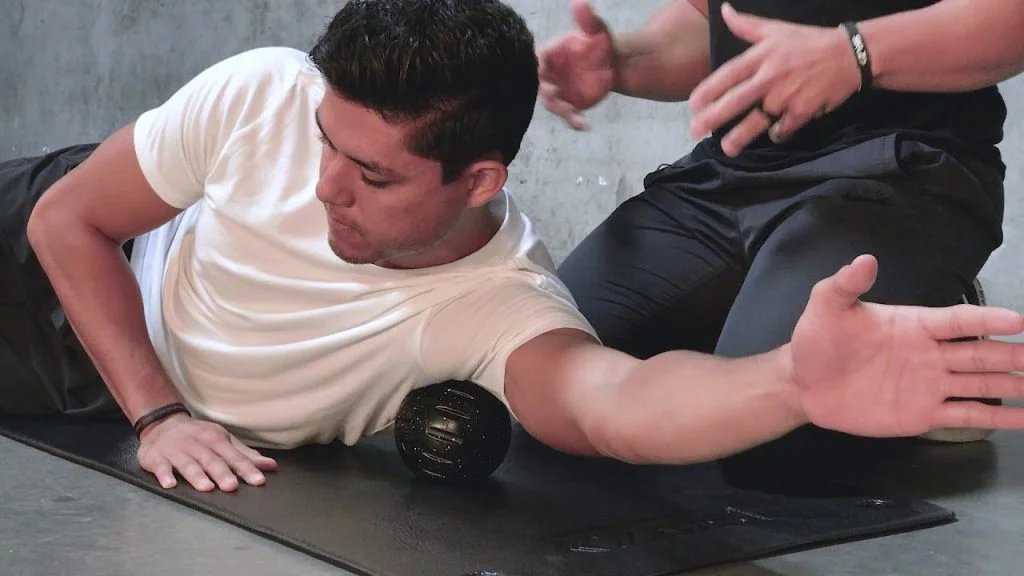
Recovery builds muscle because the actual growth happens after training, not during it. Workouts create the stimulus, but sleep, food, and rest help the body repair and rebuild muscle tissue. If recovery is poor, even a strong training plan may not produce the results you want.
Many lifters love the hard part and ignore the quiet part. But muscle gain often depends just as much on what happens outside the gym as what happens inside it.
How Much Sleep Do You Need to Build Muscle?
Most people trying to build muscle do well with about seven to nine hours of sleep each night. Good sleep supports recovery, hormone balance, training energy, and tissue repair. If you train hard but constantly sleep poorly, your progress may slow even if your workouts look solid on paper.
Sleep is not an optional extra. It is one of the simplest recovery tools you have, and one of the most overlooked.
What Should You Eat to Support Muscle Growth?
To support muscle growth, you generally need enough total calories, enough protein, and regular meals that help recovery instead of leaving you under-fuelled. Protein matters because it gives the body the building blocks needed to repair and grow muscle tissue after hard training.
That does not mean your diet has to be perfect. It does mean consistently under-eating, especially while training hard, will often make muscle gain much harder than it needs to be.
For more support around food habits, personal training and nutrition and the art of rest fit naturally with this part of the process.
How Goals Help You Grow
Clear fitness goals help you build muscle because they keep your effort organised when motivation dips. A written goal gives your training direction and makes it easier to measure progress. Instead of vaguely wanting to “get bigger,” you can train toward a target that shapes your decisions each week.
This matters more than most people realise. When the plan is written down, it becomes easier to stay disciplined when emotions change from day to day.
Why Should You Write Your Muscle-Building Goals Down?
Writing your muscle-building goals down helps turn a vague idea into a commitment. A written target gives you something specific to work toward, review, and adjust. It can also make it easier to stay focused when training feels repetitive or progress feels slower than you hoped.
A useful goal is concrete, realistic, and time-bound. “Gain 3kg of lean mass this year” is usually more helpful than “get huge.”
What Makes a Good Muscle-Building Goal?
A good muscle-building goal is specific enough to guide action but realistic enough to support consistency. Examples include adding weight to your main lifts, gaining a certain amount of lean mass, or training a set number of times each week. Good goals help you act with purpose instead of training based on mood.
That is one reason serious athletes often progress more steadily. They do not rely only on feeling motivated. They rely on clear objectives and repeated action.
Related reads such as holistic fitness and fitness goals support that same approach.
When to Change Accessory Exercises
You do not need to change your whole programme every few weeks to keep building muscle. In general, your main compound lifts should stay fairly consistent so you can track progress, while accessory exercises can be rotated more often to reduce boredom, manage fatigue, and keep training enjoyable.
This gives you the best of both worlds. You keep the key lifts stable while still creating enough variety to stay engaged and train hard over the long term.
Which Exercises Should Usually Stay Consistent?
Your main compound lifts usually benefit from staying consistent because they are technical, trackable, and easier to progressively overload when practiced regularly. Movements like the squat, bench press, and deadlift often form the backbone of a muscle-building programme because they train many muscles at once.
Keeping those lifts stable makes it easier to see whether strength is improving. That usually gives you a clearer picture of whether the overall programme is working.
When Should You Rotate Accessory Exercises?
You can rotate accessory exercises when the movement still targets the same muscle group but training is starting to feel stale, mentally draining, or repetitive. Swapping a T-bar row for a cable row, for example, may freshen up training while still supporting the same broad goal of back development.
This is not about changing everything for the sake of change. It is about keeping training sustainable enough that you keep showing up and working hard.
Useful related pages here include strength vs hypertrophy and benefits of bench press.
How to Put It All Together
If you want to build muscle faster, the simplest path is usually the best one: train hard enough to challenge the muscle, recover properly, set clear goals, and stay consistent long enough for progress to show. None of these habits are flashy, but together they often do more than any short-term muscle-building trick.
This is also where patience matters. Muscle growth tends to reward people who repeat the basics well, not the people who keep abandoning them for something more exciting every month.
What Is the Biggest Mistake People Make When Trying to Build Muscle Fast?
One of the biggest mistakes is trying to rush the process while ignoring the fundamentals. People often chase more exercises, more supplements, or more intensity before they have fixed their training effort, recovery, or food intake. Fast progress usually comes from doing the boring basics better, not from overcomplicating the plan.
That is why a good programme often looks simple from the outside. The real difference is how consistently and how well the simple things are done.
Muscle-Building FAQ
This FAQ answers common questions about building muscle faster, including training effort, recovery, and exercise selection. The short version is simple: muscle gain usually comes from challenging training, enough food and sleep, and a plan that stays consistent long enough to let progress compound.
How Often Should You Train to Build Muscle?
Training frequency depends on your level, recovery, and programme structure, but most people build muscle best when they train often enough to stimulate growth without constantly feeling run down. A useful plan usually gives each muscle group enough work to grow and enough recovery time to adapt between hard sessions.
If performance and energy keep dropping, more sessions are not always the answer. Better recovery may be the missing piece.
Do You Need Supplements to Build Muscle Fast?
No, supplements are not required to build muscle fast compared with the basics. Strong training, enough calories, enough protein, and good sleep usually matter far more. Some supplements may support the process, but they rarely make up for inconsistent training or poor recovery habits.
It usually makes more sense to improve your daily routine first, then decide if anything extra is worth adding.
Can You Build Muscle and Lose Fat at the Same Time?
Some people, especially beginners or those returning after a break, may be able to build muscle and lose fat at the same time. It tends to work best when training is well structured and protein intake is strong. For more advanced lifters, the process is usually slower and needs more careful planning.
That is why goals should be matched to your training history rather than assumed from someone else’s results.
When Should You Ask for Coaching Help?
You may want coaching help if you have been stuck for months, feel unsure about programme design, or cannot tell whether effort, food, or recovery is the main issue. A good coach may help simplify the process, correct blind spots, and build a clearer path toward steady muscle gain.
If you want structured help, personal training, body composition analysis, and booking a consultation are natural next steps.
Final takeaway: If you want to build muscle faster, stop looking for a perfect trick and start doing the basics better. Train hard, recover properly, eat enough, write your goals down, and stay with the plan long enough to let your body respond. That is usually how real muscle growth happens.