
TL;DR: Sports massage may help reduce muscle tightness, improve short-term comfort, and support recovery when used alongside smart training, sleep, hydration, and strength work. It is not a magic fix, but it can be a useful tool for active people who feel stiff, sore, or limited in movement.
- What Is Sports Massage?
- What Is the Difference Between Sports Massage and a Regular Massage?
- What Are the Main Sports Massage Benefits?
- Who Should Get a Sports Massage?
- How Often Should You Get a Sports Massage?
- How to Choose a Good Sports Massage Therapist
- FAQ
What Is Sports Massage?
Sports massage is a hands-on treatment that focuses on muscles, tendons, and soft tissue affected by training, sport, or repetitive movement. It is commonly used to reduce tightness, improve comfort, and support movement quality before or after exercise, especially when certain areas feel overworked or stiff.
Unlike a general relaxation massage, sports massage is usually more targeted. The therapist works on body parts that take the most stress from your training, work, or sport.
Common techniques may include stroking, kneading, compression, trigger point work, stretching, and joint-focused hands-on methods. At times, it may overlap with approaches used in deep-tissue massage or sports therapy, depending on your needs.
- Main goal: Help you feel and move better around training or daily activity.
- Common focus areas: Shoulders, back, hips, glutes, calves, hamstrings, and forearms.
- Best use: As one part of a bigger recovery and performance plan.
How Does Sports Massage Work?
Sports massage works by applying pressure and movement to soft tissue that feels tense, overused, or restricted. This input may help you feel looser, calmer, and more aware of tight areas, which can make movement feel easier in the short term when combined with good exercise and recovery habits.
Some people notice less stiffness right away. Others mainly feel better the next day because the session helps them relax, move, and recover more comfortably.
That said, sports massage should not replace strength training, mobility work, sleep, or progressive rehab. It works best when it supports those basics rather than trying to do their job.
What Is the Difference Between Sports Massage and a Regular Massage?
Sports massage is more focused and goal-driven than a regular massage. A regular massage often aims to relax the whole body, while sports massage usually targets specific muscles, joints, and movement problems linked to training, soreness, or repeated physical stress.
A regular massage may feel gentler and more general. Sports massage often feels more deliberate because the therapist is trying to improve how a certain area feels or moves.
- Regular massage: Usually full-body, relaxation-focused, and less specific to exercise demands.
- Sports massage: Usually targeted, function-focused, and matched to your activity, pain pattern, or recovery goal.
- Best choice: Pick the one that matches what you actually need right now.
Can Sports Massage Help More Than Athletes?
Sports massage is not only for athletes. It may also help office workers, active beginners, runners, gym-goers, and people with tight muscles from daily life because soft-tissue stress does not only come from competition; it can also come from sitting, lifting, commuting, and repeated movement patterns.
If you feel stiff from training, work posture, or a physically demanding routine, sports massage may still be useful. The key is whether the treatment matches your actual problem, not whether you play sport at a high level.
What Are the Main Sports Massage Benefits?
Sports massage benefits may include less muscle tension, better short-term comfort, improved range of motion, and a stronger sense of recovery after hard training. Research support is clearer for soreness, relaxation, and well-being than for claims like faster lactic acid removal or guaranteed performance gains.
This matters because many people expect sports massage to “fix” everything. In reality, it often works best as a support tool that helps you stay more comfortable and consistent with training.
- Reduced tightness: It may help overworked areas feel less stiff after repeated training.
- Better mobility: It can improve how freely a joint or muscle group moves in the short term.
- Lower soreness: Some people feel less delayed-onset muscle soreness after treatment.
- Improved well-being: It often supports relaxation, better mood, and better sleep.
- Recovery support: It may help you feel more ready for the next session when combined with sleep, food, and hydration.
Why Do People Feel Better After a Sports Massage?
Many people feel better after sports massage because the session may calm muscle tension, reduce stress, and improve their sense of recovery. The treatment can also make tight or sensitive areas feel more manageable, which often improves confidence and comfort during normal movement or exercise.
Some of the benefit is physical, and some is psychological. Feeling less tense, less worried, and more recovered can make training feel easier even if the tissue itself has not “changed” dramatically.
What Benefits Are Often Overstated?
Some claims about sports massage are often overstated. It should not be presented as a guaranteed way to prevent every injury, flush out lactic acid, or dramatically speed recovery on its own because those effects are not strongly supported in the same way as relaxation, soreness relief, and short-term comfort.
A better expectation is this: sports massage may help you feel and move better, but long-term progress still depends on your programme, workload, nutrition, hydration, and sleep. For recovery basics, it also helps to look at hydration and a broader holistic recovery approach.
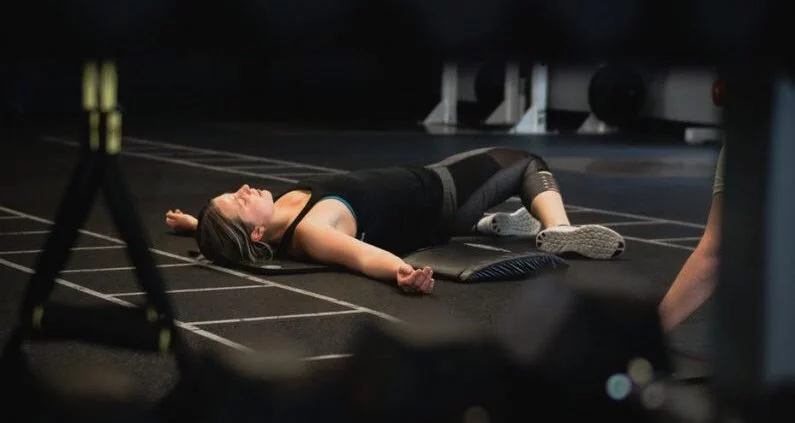
Who Should Get a Sports Massage?
Sports massage may suit people who train regularly, feel tight and sore, have restricted movement, or want support around demanding physical activity. It is commonly used by runners, lifters, team-sport athletes, and active adults, but it may also help non-athletes who carry a lot of muscular tension.
You do not need to wait until you are badly beaten up. Many people benefit most when they use sports massage before small issues become bigger interruptions.
- Good fit for: Tight calves, heavy legs, stiff shoulders, post-training soreness, or limited flexibility.
- Useful before events: Some people use it before races or hard blocks to feel looser and more prepared.
- Useful after events: Others use it during recovery after long races, heavy lifting phases, or busy training weeks.
- Also worth considering: If you have recurring discomfort during movement, such as knee, hip, or lower-body tightness linked to activity.
When Should You Be More Careful?
You should be more careful with sports massage if you have sharp pain, major swelling, bruising, suspected muscle tears, recent surgery, fever, skin irritation, or unexplained symptoms. In those cases, assessment from a qualified health professional is usually a better first step than booking a massage.
If you have ongoing knee pain, joint pain, or a recent injury, it is smarter to get proper guidance first. That is especially true if symptoms worsen with activity or you suspect ligament problems such as ACL or MCL injuries.
Should You Get a Sports Massage for Pain?
Sports massage may help some kinds of muscle-related pain or stiffness, but it is not the right answer for every pain problem. If pain is severe, constant, spreading, or linked to weakness, numbness, swelling, or a specific injury, you should get a proper assessment instead of relying on massage alone.
For mild training-related discomfort, massage may be one useful option. For persistent pain, it often works better as part of a bigger rehab plan that includes movement, loading, and recovery strategies.
How Often Should You Get a Sports Massage?
The best sports massage frequency depends on your training load, stress level, recovery habits, and reason for booking. Some people do well with a session every week during hard training blocks, while others only need one or two sessions a month for maintenance and general recovery support.
More is not always better. The right schedule is the one that helps without adding unnecessary cost, soreness, or dependency.
- Heavy training phase: Weekly or fortnightly sessions may help during intense blocks.
- General maintenance: Once or twice a month often suits active adults.
- Event prep: Timing matters more than frequency if you want support around a race or competition.
- Recovery-first thinking: Use massage to support a plan, not replace one.
What Should You Do After a Sports Massage?
After a sports massage, it usually helps to hydrate, walk a little, and keep the rest of the day fairly sensible. You may feel looser, tender, or slightly tired for a day or two, so heavy training right away is not always the smartest choice.
Use the session as a chance to recover well. Pair it with food, sleep, and easier movement so your body actually gets the full benefit of the reset.
How to Choose a Good Sports Massage Therapist
A good sports massage therapist should assess your problem, ask about your training and goals, and explain a clear treatment approach. The best therapists do not use the same routine on every person because tight shoulders, runner’s calves, and post-lifting stiffness usually need different decisions.
Good treatment starts with good listening. If someone jumps straight into a generic routine without understanding your issue, that is usually a red flag.
- Choose assessment first: Look for someone who asks about your pain, sport, training, and movement limits.
- Choose relevant training: Sports massage qualifications and rehab awareness matter more than vague wellness branding.
- Choose a tailored plan: The session should match your body, not a standard template.
- Choose clear communication: They should explain what they are doing and what results are realistic.
- Choose transparency: Pricing, package details, and expected follow-up should be easy to understand.
What Questions Should You Ask Before Booking?
Before booking a sports massage, ask what the therapist treats most often, how they assess movement, how hard the session is likely to feel, and whether they adapt treatment for training schedules or injury history. These questions help you find a better fit and avoid generic care.
You can also ask what to do before and after the session. A good therapist should give simple, practical advice rather than promising a miracle result.
FAQ
Sports massage FAQ should help readers decide when massage is worth trying, what results are realistic, and when professional assessment matters more. The most useful answers keep expectations grounded: sports massage may help you feel and move better, but it works best alongside proper training, recovery, and injury management.
Is sports massage only for athletes?
Sports massage is not only for athletes. It may also help gym-goers, runners, desk workers, and active adults who feel tight, sore, or restricted because the treatment is based on movement stress and soft-tissue needs, not on whether you compete at a high level.
Can sports massage improve performance?
Sports massage may improve performance indirectly by helping you feel looser, calmer, and more comfortable moving, but it should not be treated as a guaranteed performance booster. Better training quality, smart programming, and recovery habits usually have a bigger long-term impact than massage alone.
Are there side effects after a sports massage?
Mild tenderness, stiffness, or fatigue can happen after a sports massage, especially if the session was firm or targeted a very tight area. These effects often settle within a day or two, but stronger pain, swelling, or unusual symptoms should be checked by a qualified professional.
What is better for recovery: massage or active recovery?
Active recovery usually has stronger support for helping your body bounce back after hard training because light movement, sleep, food, and hydration directly support recovery. Sports massage can still be useful, but it often works best as an added tool rather than the main recovery strategy.
When should you seek professional help instead of booking a massage?
You should seek professional help if pain is severe, keeps getting worse, comes with swelling, numbness, weakness, fever, or follows a clear injury. In those cases, proper assessment matters more than symptom relief, especially if daily movement is difficult or you cannot train normally.
Final takeaway: Use sports massage as a smart support tool, not a shortcut. If you train hard, feel stiff, or need help moving more comfortably, it may be worth adding to a recovery plan built on good exercise, sleep, hydration, and realistic progress.