
TL;DR: Sports therapy helps people move better, recover more safely, and reduce the chance of the same issue coming back. It is not just for athletes or major injuries. It may help with pain, stiffness, weakness, post-surgery recovery, and everyday movement problems when combined with assessment, guided exercise, and consistency.
- What Is Sports Therapy?
- Who Is Sports Therapy For?
- What Are the Benefits of Sports Therapy?
- What Happens in a Sports Therapy Session?
- How to Get Started With Sports Therapy
- Why Consistency Matters in Recovery
- When to Seek Professional Help
- Sports Therapy FAQ
What Is Sports Therapy?
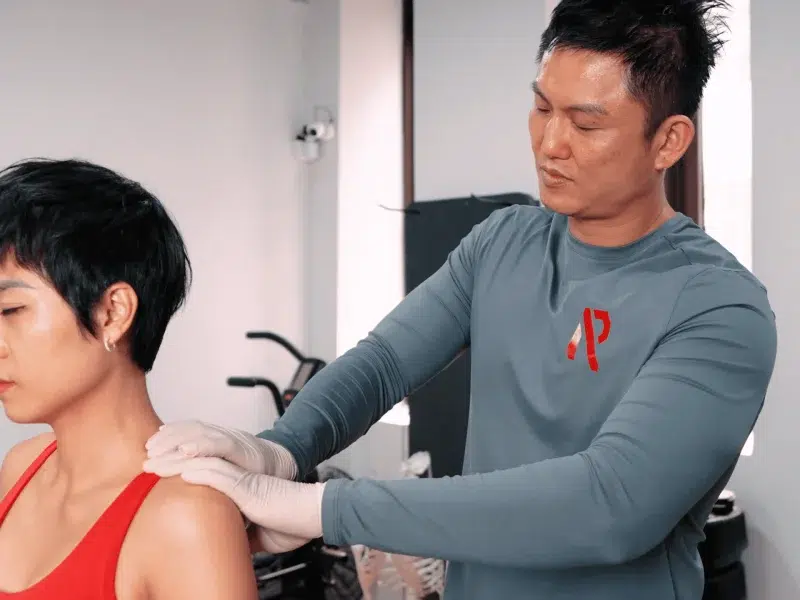
Sports therapy is a movement-focused approach that helps improve strength, mobility, function, and recovery after pain, injury, surgery, or long-term movement issues. Despite the name, it is not only for athletes. It looks at how the whole body moves, then uses guided treatment and exercise to restore better movement patterns.
The aim is not only to calm symptoms. Good sports therapy also looks at the reason the issue developed, such as weakness, stiffness, poor loading habits, or compensation patterns that keep putting stress on the same area.
How Is Sports Therapy Different From Just Resting?
Sports therapy is different from simple rest because it turns recovery into an active process. Rest may reduce irritation for a short time, but guided movement, strength work, and mobility training often help the body rebuild function. The goal is not just to wait for healing, but to support it properly.
This is especially important when pain keeps coming back. If the body never regains strength, control, or range of motion, the same problem may return once normal activity or training starts again.
Who Is Sports Therapy For?
Sports therapy is for more than competitive athletes. It may help desk workers with stiffness, weekend exercisers with recurring aches, older adults who want to stay mobile, and people recovering from injury or surgery. Anyone whose movement feels limited, painful, or weak may benefit from a proper assessment-led plan.
- Injured people: Useful when returning from strains, sprains, surgery, or overuse problems.
- People with chronic pain: May help when back, shoulder, knee, or hip issues keep affecting daily life.
- Active adults: Helpful for improving movement quality, resilience, and performance.
- General population: Even non-athletes may benefit because everybody depends on movement.
Can Sports Therapy Help If You Are Not an Athlete?
Yes, sports therapy can help even if you do not play sport. The word “sport” refers more to human movement than to competition. If walking, lifting, reaching, sitting, training, or sleeping comfortably has become harder, sports therapy may help improve how your body handles daily physical demands.
That is why many people seeking treatment are not elite performers. They may be parents, office workers, older adults, or beginners who simply want less pain and better movement.
What Are the Benefits of Sports Therapy?
The main benefits of sports therapy are better movement, reduced pain, improved strength, and a more structured recovery process. It may also help you return to exercise more safely, manage long-term stiffness, and lower the risk of the same issue happening again by improving how your body loads and moves.
- Recovery support: May help after injury or surgery by rebuilding tolerance gradually.
- Pain management: Often addresses movement causes instead of only masking symptoms.
- Performance support: May help athletes and active adults move more efficiently.
- Long-term function: Better mobility and strength often support healthier daily movement.
How Can Sports Therapy Help After Injury?
After injury, sports therapy may help by restoring mobility, rebuilding strength, and guiding tissues back to normal loading. Instead of staying passive for too long, you progressively train the injured area with the right exercises at the right stage. This often supports a safer and more confident return to normal activity.
For deeper recovery support, related RAW Active reads such as how to recover from injury and the recovery pyramid fit naturally with this approach.
How Can Sports Therapy Help With Chronic Pain?
Sports therapy may help with chronic pain by identifying weak links, poor movement patterns, and repeated stress that keep symptoms going. It does not promise a quick fix, but it often gives people a clearer plan. Better mobility, better strength, and better control can improve how the body handles daily load.
This is why a personalised approach matters. Two people with the same pain location may need very different solutions depending on how they move, train, sit, sleep, and recover.
What Happens in a Sports Therapy Session?
A sports therapy session usually starts with an assessment of your history, pain pattern, strength, mobility, and movement quality. From there, the therapist builds a plan that may include manual therapy, therapeutic exercise, mobility work, and home exercises. The process should feel structured, clear, and specific to your body.
What Does the First Assessment Usually Include?
The first assessment usually includes questions about your symptoms, training habits, work demands, and injury history, followed by movement testing, strength checks, and range-of-motion assessment. The goal is to understand what hurts, why it may be happening, and which physical limits or habits are driving the problem.
- History review: Looks at symptoms, training, work posture, and previous injuries.
- Movement testing: Checks how you squat, bend, walk, or reach.
- Strength and mobility: Helps identify weak links and restrictions.
- Plan building: Turns findings into a practical recovery path.
What Techniques Are Commonly Used in Sports Therapy?
Common sports therapy techniques include manual therapy, sports massage, guided stretching, strengthening drills, mobility work, and corrective exercise. Some clinics may also use treatment tools such as ultrasound or electrical stimulation. The best plan usually combines hands-on care with active rehab, not hands-on work alone.
RAW Active’s related content on sports massage therapy can fit naturally here because massage may help some people reduce tension and move more comfortably before exercise-based rehab continues.
How to Get Started With Sports Therapy
To get started with sports therapy, first identify what problem is limiting you most, then book an assessment with a qualified provider. In some cases, it may be wise to speak with a doctor first, especially if symptoms are severe, unusual, or worsening. Clear assessment should come before random treatment.
The most useful first session is one that explains your likely issue, what the plan will involve, and what you need to do between appointments. Good therapy creates direction, not confusion.
What Should You Bring to a Sports Therapy Appointment?
You should bring a simple summary of your symptoms, old scan reports if relevant, details about recent training or activity changes, and comfortable clothing for movement testing. This helps the therapist assess patterns more accurately. Honest details about pain triggers, sleep, and workload can also improve the plan.
- Useful information: Symptom timeline, past injuries, surgery history, and current activity levels.
- Clothing: Wear something that lets you squat, bend, and move comfortably.
- Questions: Ask what the likely cause is and what the next few weeks should look like.
Why Consistency Matters in Recovery
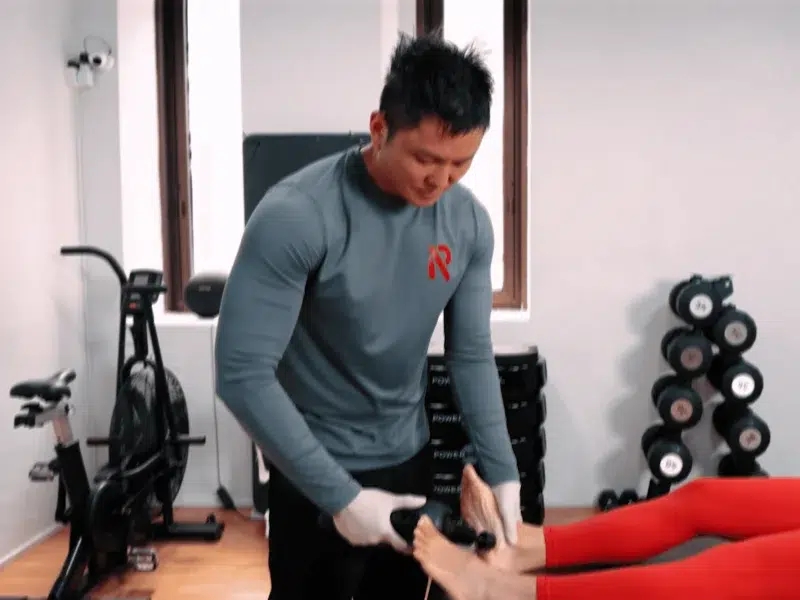
Consistency matters because most recovery happens between sessions, not only during them. Sports therapy works best when the home exercises, movement changes, and loading progressions are followed regularly. A good therapist provides direction, but the body usually improves through repeated effort over time rather than one isolated treatment.
That is why therapists often act like coaches. They guide the process, but your daily habits, recovery choices, and follow-through shape the result.
Why Are Home Exercises So Important?
Home exercises are important because they reinforce what the therapy session starts. One appointment each week may not be enough to change strength, mobility, or movement habits on its own. Regular home work helps the body practise better patterns more often, which may speed up progress and improve long-term outcomes.
If you need more structure, RAW Active’s home workout plan and holistic fitness content support the same idea: recovery works better when training, sleep, and daily habits are aligned.
When to Seek Professional Help
You should seek professional help when pain lasts longer than expected, movement keeps getting worse, or symptoms affect normal work, sleep, walking, lifting, or exercise. Sports therapy may help many movement problems, but some situations need medical review first. Responsible care means knowing when extra assessment is necessary.
- Seek help early: If symptoms are recurring, worsening, or affecting normal function.
- Be cautious: If pain follows a major injury, fall, or sudden impact.
- Get medical review: If you have fever, unexplained swelling, major weakness, numbness, or other unusual symptoms.
- Think long term: Early support may prevent small issues from becoming bigger setbacks.
Sports Therapy FAQ
This section answers common questions about sports therapy, including how long it may take, whether it is only for athletes, and what kind of results people can reasonably expect. The main idea is simple: progress is usually best when assessment, active rehab, and consistency work together.
How Long Does Sports Therapy Take to Work?
Sports therapy can help some people feel improvement within a few sessions, but timelines vary based on the problem, its duration, and how consistently the plan is followed. A mild strain may improve faster than a long-term movement issue. Progress is usually more reliable when treatment and home exercise work together.
Is Sports Therapy the Same as Sports Massage?
No, sports therapy is broader than sports massage. Massage is one tool that may help reduce tension or improve comfort, but sports therapy usually includes assessment, exercise prescription, mobility work, and recovery planning. The bigger goal is better function and movement, not just short-term relief from tight muscles.
Can Sports Therapy Prevent Future Injuries?
Sports therapy may help reduce the risk of future injuries by improving mobility, strength, movement quality, and load tolerance. It cannot guarantee that injuries will never happen, especially in demanding sport or busy daily life, but it often helps people spot weak links and train more intelligently before problems build up.
Should You Stop Training Completely During Sports Therapy?
Not always. In many cases, sports therapy works best when activity is adjusted rather than fully stopped. You may need to reduce load, change exercises, or train around the issue while rebuilding function. The right approach depends on your symptoms, the diagnosis, and how your body responds to movement.
Final takeaway: Sports therapy works best when you treat recovery like training. Get assessed properly, follow the plan, do the home work, and stay patient with the process. Better movement, better strength, and better habits often build the kind of recovery that actually lasts.