
TL;DR: Recovering from injury usually works best when you stay patient, reduce emotional decision-making, keep some safe movement in the plan, and rebuild training step by step. Warm up well, sleep enough, eat to support healing, and do not rush back to old numbers. Fastest is not always safest, but smart progress often lasts longer.
- What Is Injury Recovery?
- Why Mindset Matters
- How to Recover From Injury Safely
- How to Modify Training While Injured
- What Role Do Recovery Tools Play?
- When to Seek Professional Help
- Injury Recovery FAQ
What Is Injury Recovery?
Injury recovery is the process of reducing pain, restoring movement, rebuilding strength, and returning to normal training or daily life with better control. Good recovery is not just waiting for tissues to heal. It usually includes smart load management, good sleep, useful exercise choices, and a plan that matches your current stage.
Injuries can happen in heavy strength sports, field sports, cardio training, or ordinary daily life. Common examples include sprains, strains, tears, dislocations, fractures, knee problems, and lower back pain.
- Common injury areas: Lower back and knee issues are especially common in active adults and athletes.
- Main recovery goal: Return to function first, then rebuild performance.
- Related support: lower back pain management may be useful when the lumbar area is involved.
Why Is Injury Prevention Part of Recovery?
Injury prevention matters because good recovery should reduce the chance of the same problem returning. That means learning from the setback, improving warm-ups, adjusting training loads, and cleaning up movement quality. Recovery is strongest when it solves both the current pain and the habits that helped create it.
A proper recovery process often becomes a better training process. It teaches you where the body was overloaded, underprepared, or poorly managed before symptoms appeared.
Why Mindset Matters
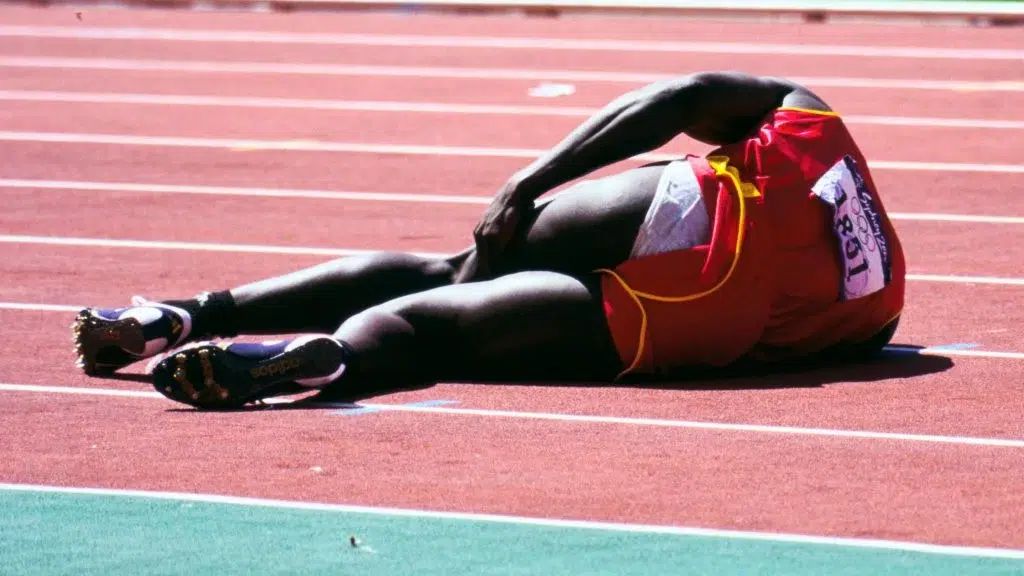
Mindset matters in injury recovery because impatience, denial, and emotional attachment to old performance often lead to poor decisions. Many people re-injure themselves by returning too hard, too soon. A calmer, more objective approach usually supports safer progress, better compliance, and a stronger long-term return to training.
Injury is frustrating, especially before competition or after months of hard work. Still, the body does not care about your old numbers or deadlines as much as it cares about what it can currently tolerate.
Why Do Athletes Re-Injure Themselves So Often?
Athletes often re-injure themselves because they chase old performance before capacity has been rebuilt. The problem is usually not motivation. It is timing. Going back to previous loads, distances, or intensities too early can overload healing tissue and undo progress that looked solid on the surface.
The source article gives a clear example: someone returns to heavy deadlifting pain-free, then jumps straight back to their previous top set and flares the issue again. Pain-free is not always performance-ready.
How Do You Stay Objective During Recovery?
You stay objective during recovery by judging progress through current function, not old numbers or emotion. Ask what the body can handle today, what improves symptoms, and what still needs work. A useful recovery mindset accepts slower progress now so bigger setbacks do not steal more time later.
This is where coaching, rehab structure, or a simple logbook can help. Clear evidence beats guesswork when emotions are loud.
How to Recover From Injury Safely
To recover from injury safely, focus on warm-up quality, controlled progression, goal adjustment, useful recovery habits, and gradual confidence-building. Recovery is rarely a straight line, so the best plan usually avoids extremes. Do enough to stimulate healing, but not so much that symptoms keep flaring or movement quality collapses.
Why Does a Proper Warm-Up Matter So Much?
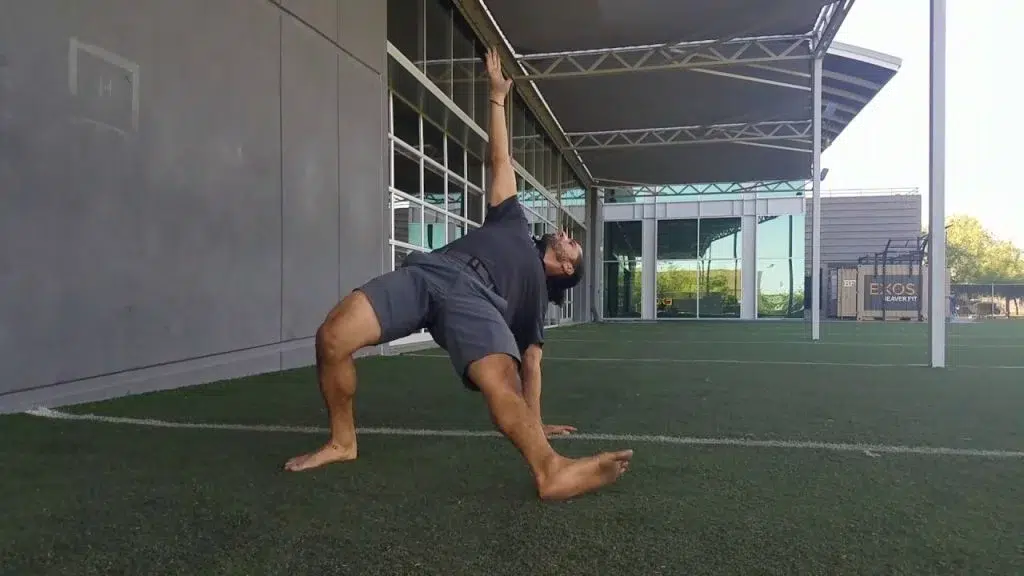
A proper warm-up matters because it raises body temperature, increases heart rate, prepares joints and muscles for work, and may lower injury risk. A few minutes of light cardio and targeted movement can improve readiness. Prevention is not perfect, but a better warm-up often supports safer training decisions.
The source article highlights 5 to 10 minutes of light cardio as a practical starting point. Related guidance on proper exercise form also fits well here.
Why Should You Progress Slowly After an Injury?
You should progress slowly after an injury because healing tissue and restored confidence often lag behind motivation. Small, planned increases in load, distance, or complexity usually give the body time to adapt. Rapid jumps may feel exciting, but they often create the exact flare-up you were trying to avoid.
Slow progression is not weakness. It is one of the clearest signs that training has become more mature and more sustainable.
How Important Are Sleep and Nutrition During Recovery?
Sleep and nutrition are extremely important during recovery because healing depends on energy, protein, hydration, and enough rest for the body to repair tissue and manage stress. Poor sleep and poor nutrition may slow progress, reduce training tolerance, and make pain feel harder to manage.
Recovery usually improves when meals are consistent, protein intake is adequate, and total stress is better controlled. Good basics often do more than complicated hacks.
- Prioritise sleep: Aim for regular, high-quality sleep whenever possible.
- Eat enough protein: Muscle retention and tissue repair need adequate building blocks.
- Stay hydrated: Hydration supports overall recovery and training quality.
- Manage total stress: Life stress can affect pain, sleep, and healing behaviour.
How to Modify Training While Injured
Training while injured often works best when you change the goal instead of forcing the original plan. A good modification keeps you active without driving symptoms higher. That may mean lighter loads, shorter sessions, slower tempo, different exercises, or shifting attention toward hypertrophy, movement quality, or general conditioning.
How Do You Change Goals Without Losing Momentum?
You change goals without losing momentum by choosing a new target that fits your current capacity. If heavy lifting is not possible, you might focus on hypertrophy, technique, single-leg strength, aerobic fitness, or pain-free range of motion. Progress still matters, but the definition of progress needs to change temporarily.
This approach often protects motivation better than total shutdown. RAW Active’s recovery pyramid and strength training guide fit naturally with that mindset.
Can You Still Train While Recovering From Injury?
Yes, many people can still train while recovering from injury, but the training must match what the body can currently tolerate. That might mean training around the injured area, using different movement patterns, or reducing intensity. Sharp pain, worsening symptoms, or unstable movement are signs the plan needs adjusting.
Being active is often helpful, but “active” does not mean reckless. The goal is to stay engaged without turning recovery into repeated irritation.
How Do You Rebuild Confidence After Pain?
You rebuild confidence after pain by reintroducing previously painful movements in smaller, more manageable doses that the body can handle successfully. Repeated safe exposures often matter more than one dramatic comeback session. Confidence usually returns when the body experiences success often enough to trust the movement again.
The source article uses shorter runs after knee pain as a good example. That same idea works for lifting, jumping, or returning to sport-specific drills.
What Role Do Recovery Tools Play?
Recovery tools such as foam rollers, massage balls, belts, and sleeves may support comfort or performance, but they should not replace assessment, exercise, and sensible progression. Used well, they can help. Used blindly, they may irritate symptoms or create false confidence that the body is ready for more than it can handle.
Can Foam Rollers and Massage Balls Fix an Injury?
No, foam rollers and massage balls do not usually fix an injury on their own. They may reduce tension or improve comfort for some people, but poor use can also irritate nerves or bruised tissue. These tools work best as small parts of a bigger plan, not as substitutes for proper guidance.
If you are using a tool to push through pain instead of understanding the issue, it is probably time to pause and reassess the bigger picture.
Should You Use Belts or Sleeves to Train Through Pain?
Belts and sleeves are not designed to let you train through pain safely. They may improve support, stability, or confidence in some lifts, but they do not solve an active injury. If you need supportive gear just to get through a painful session, slower progression or more recovery may be the smarter choice.
This is especially true if symptoms worsen after the session. Equipment can support performance, but it should not become a mask for unresolved pain.
When to Seek Professional Help
You should seek professional help when pain is severe, symptoms keep returning, movement quality is clearly worsening, or the injury affects normal function, sleep, or confidence. Some injuries improve with sensible self-management, but others need medical assessment, rehab guidance, or structured coaching before safe progress can resume.
- Seek medical input: If pain is severe, swelling is significant, or weight-bearing becomes difficult.
- Get assessed sooner: If numbness, weakness, locking, instability, or sharp recurring pain appears.
- Use rehab-aware coaching: injury rehabilitation coaching may help bridge recovery and training.
- Do not guess forever: If you are stalled, professional clarity may save time and frustration.
Injury Recovery FAQ
This FAQ answers common questions about injury recovery, including training, timelines, setbacks, and confidence. Recovery is individual, but the same principles appear again and again: respect symptoms, progress gradually, protect sleep and nutrition, and do not let emotion force decisions your tissues are not ready to handle yet.
How Long Does It Take to Recover From an Injury?
Recovery time depends on the type of injury, the tissue involved, the severity, your training demands, and how well the plan is followed. Some mild issues settle in days or weeks, while more serious problems may take months. The safest mindset is to follow function and tolerance, not a fixed calendar alone.
Should You Stop Exercising Completely After an Injury?
Not always. Many injuries respond better to modified activity than total rest, as long as the movement does not worsen symptoms significantly. Complete rest may help briefly in some cases, but long shutdowns can reduce strength, confidence, and conditioning. Smart modification usually beats doing either everything or nothing.
What Is the Biggest Mistake People Make During Rehab?
One of the biggest mistakes in rehab is returning too hard, too soon because pain has temporarily gone away. Another common mistake is refusing to change goals while injured. Both usually come from impatience. Good recovery respects current capacity, not ego, past numbers, or emotional urgency.
When Are You Ready to Return to Normal Training?
You are usually more ready to return to normal training when daily movement feels stable, pain is minimal or well-managed, confidence is returning, and loading progress has been rebuilt gradually without setbacks. “Ready” often means the body tolerates increasing demands, not just that the pain disappeared for a few days.
Final takeaway: Recovering from injury is not about doing nothing or proving toughness. It is about making better decisions for long enough that the body can heal, adapt, and trust movement again. Stay patient, progress honestly, and let recovery become a smarter version of training rather than a pause from it.