TL;DR: Your first pull-up usually comes from patience, smart progressions, and enough back, grip, and core strength to control your bodyweight. Start with hangs, rows, band work, and negatives. Train two to three times a week, recover well, and stop chasing rushed reps. Consistency usually matters more than brute effort.
- What Does It Take to Get Your First Pull-Up?
- Why Bodyweight and Strength Both Matter
- How to Build the Right Muscles
- What Pull-Up Progressions Work Best?
- How to Structure Pull-Up Training
- What Common Mistakes Should You Avoid?
- Pull-Up FAQ
What Does It Take to Get Your First Pull-Up?
Getting your first pull-up takes more than just trying to yank yourself over the bar. It is a skill that combines grip strength, upper-back strength, arm strength, body control, and patience. Most people get there faster when they break the movement into smaller progressions instead of repeating failed full reps.
That matters because pull-ups reward technique and control as much as effort. If the body does not yet know how to organise the movement well, simply trying harder is not always the answer.
Why Is the Pull-Up a Skill and Not Just a Strength Test?
The pull-up is a skill because it requires timing, body tension, scapular control, and a clear pulling path, not just strong arms. Two people with similar strength may perform differently if one has practised the movement pattern more often. Good progress usually comes from learning the pattern while gradually building the strength behind it.
This is why step-by-step training often works better than testing the full pull-up every session. Skill improves when the body gets repeatable, high-quality practice.
Why Bodyweight and Strength Both Matter
Bodyweight and strength both matter because a pull-up asks you to move your own mass through space. If relative strength is too low, the movement becomes much harder. For some people, body recomposition may help. For others, building more pulling strength matters more than chasing lower scale weight.
The key is not crash dieting. The better goal is usually improving the ratio between how much you weigh and how much pulling force you can produce.
Should You Lose Weight to Get Your First Pull-Up?
Losing some body fat may help certain people get their first pull-up more easily, especially if bodyweight is high relative to pulling strength. But weight loss alone is not the full answer. Pull-ups still require stronger back muscles, stronger arms, and better control, so the goal should be better body composition, not reckless dieting.
If you want a clearer starting point, body composition analysis can help you understand what may be limiting progress.
How to Build the Right Muscles
To earn your first pull-up, you need to strengthen the muscles that control hanging, shoulder positioning, and vertical pulling. That usually means focusing on the lats, upper back, biceps, forearms, and core. These muscles work together to move your body and keep it stable under the bar.
The goal is not to isolate one body part perfectly. It is to build a system strong enough to pull with control from a dead hang to the top position.
What Is the First Strength Milestone to Aim For?
The first milestone is usually a 30-second dead hang. If you cannot hang from the bar with control, it is a sign that grip strength, shoulder stability, or core tension still needs work. Building this base often makes every later progression feel safer and more manageable.
Dead hangs also teach you how to own the start position instead of jumping straight into sloppy pulling attempts.
Which Assistance Exercises Help Most?
The most useful assistance exercises usually include rows, lat pulldowns, face pulls, and core work. These build the muscles and control needed for stronger pulling. They may not replace pull-up practice completely, but they often make your progressions stronger, smoother, and easier to recover from.
- Rows: Help build upper-back strength and better shoulder control.
- Lat pulldowns: Train vertical pulling strength in a more manageable way.
- Face pulls: Support shoulder health and upper-back engagement.
- Core work: Helps reduce swinging and improves body tension on the bar.
What Pull-Up Progressions Work Best?
The best pull-up progressions usually move from basic bar control to assisted pulling and then to full-range strength. A practical ladder starts with dead hangs and hanging shrugs, then moves to incline pull-ups, band-assisted pull-ups, and negative pull-ups. This allows the body to build strength without rushing the hardest version too early.
Each step teaches something useful. The more patient you are with the ladder, the more likely the final pull-up will feel solid instead of lucky.
How Do Dead Hangs and Hanging Shrugs Help?
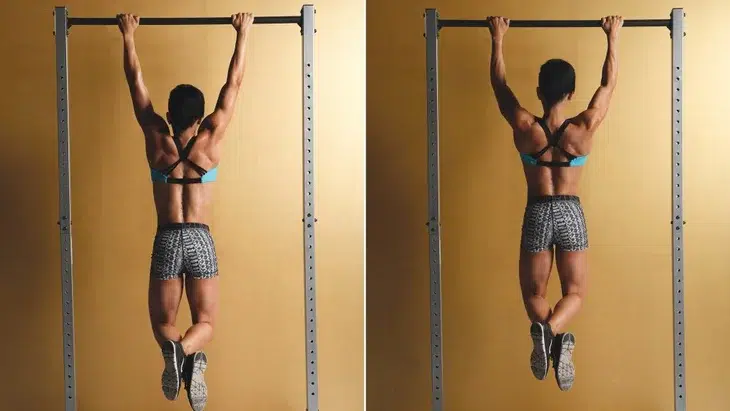
Dead hangs and hanging shrugs help by building grip, shoulder stability, and scapular awareness. They teach you how to stay tight under the bar instead of dangling loosely. Hanging shrugs also introduce the first part of the pull-up action by teaching the shoulders to engage before the elbows take over.
This early control matters because a strong start position makes later progressions feel more connected and less chaotic.
Why Are Incline Pull-Ups a Good Starting Point?
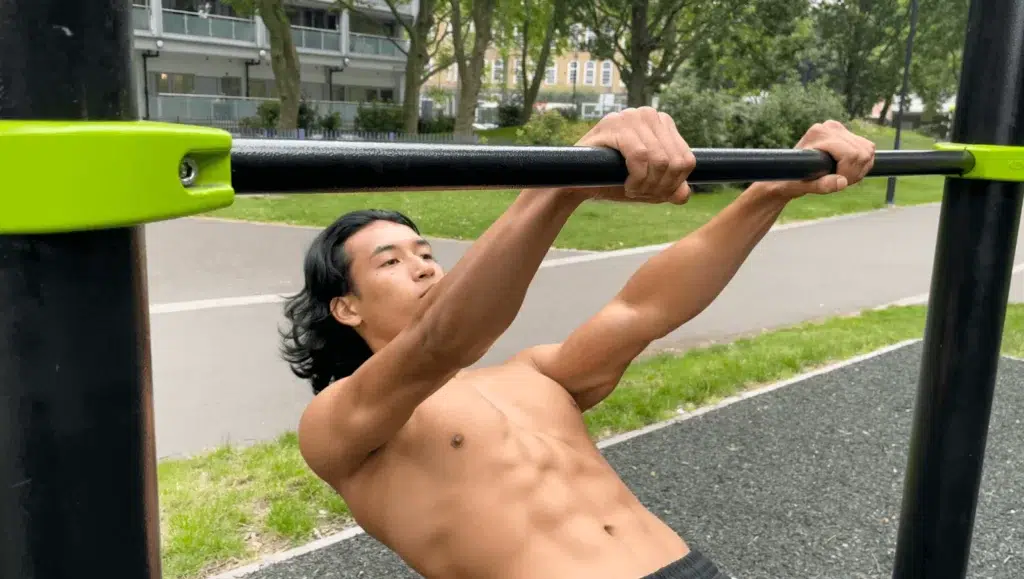
Incline pull-ups are a good starting point because they let you practise the pulling pattern with less bodyweight. Since your feet or heels stay on the ground, you can focus on pulling your chest toward the bar without being overwhelmed by the full difficulty of a strict pull-up.
This makes them ideal for building both confidence and pulling mechanics. RAW Active’s incline pull-ups page fits naturally here.
When Should You Use Resistance Band Pull-Ups?
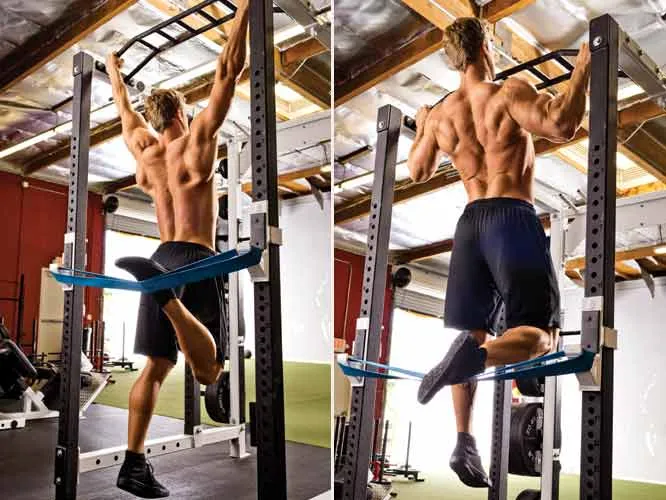
Resistance band pull-ups are useful when you can control basic pulling mechanics but still need help moving through the full range. Start with a thicker band, then gradually move to lighter assistance over time. The goal is to use the band as a progression tool, not as a permanent shortcut.
Band work is often effective because it lets you practise a full pull-up pattern before you are strong enough to do it unassisted.
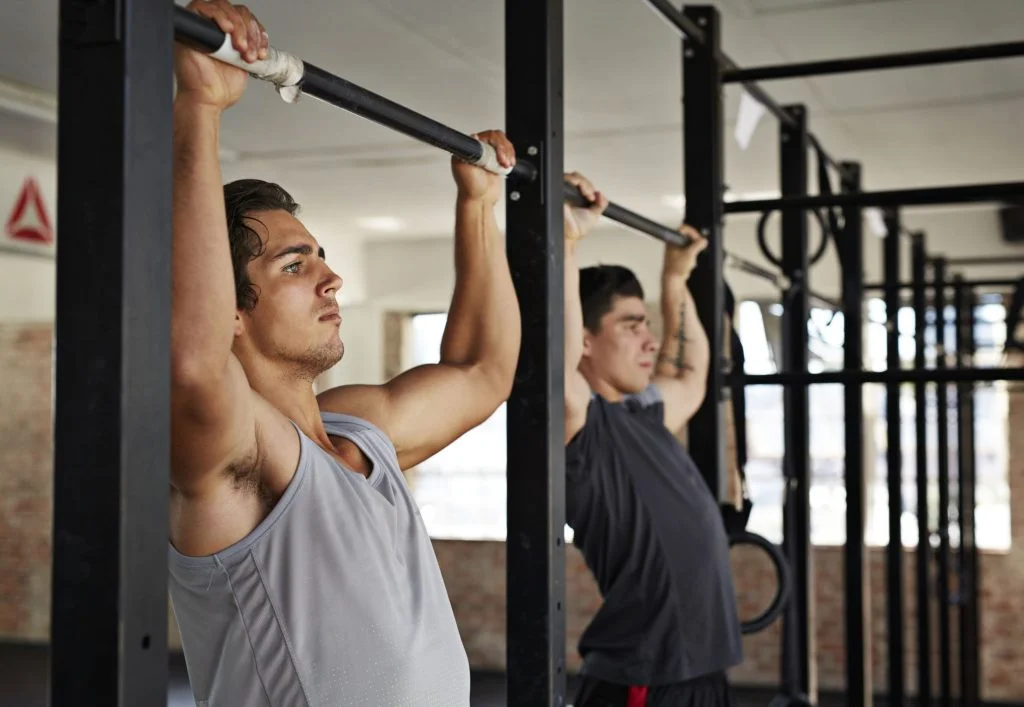
Why Are Negative Pull-Ups So Effective?
Negative pull-ups are effective because they train the lowering phase of the movement, which many people can control before they can pull up from the bottom. By starting at the top and lowering slowly, you build strength in the exact pattern needed for a full pull-up.
This is one of the most valuable late-stage progressions before your first strict rep. Slow, controlled lowering usually matters more than rushing through it.
Should You Try Chin-Ups First?
Yes, many people benefit from trying a chin-up first because the underhand grip usually brings the biceps in more and feels easier than an overhand pull-up. If your goal is your first bodyweight pull from a dead hang, a chin-up can be a smart stepping stone rather than a detour.
That does not mean you should abandon pull-up practice. It just means building success through a slightly easier pattern may speed up confidence and strength.
How to Structure Pull-Up Training
The best way to structure pull-up training is to keep it simple, frequent enough to practise the skill, and spaced well enough to recover. For most people, two to three short sessions per week works well. This gives you enough practice without turning every session into a tired, messy fight with the bar.
Shorter, higher-quality sessions usually beat occasional marathon workouts. Pull-ups improve well when the work is specific, controlled, and repeated consistently.
How Often Should You Train Pull-Ups Each Week?
Most people do well with two to three pull-up sessions per week, with at least one rest day between them. This gives the back, grip, and elbows time to recover while keeping the pattern fresh enough to improve. More is not always better if every session leaves you overly sore or sloppy.
Recovery matters because pull-up progress depends on strong, repeatable pulling, not just on constant exhaustion.
What Does a Simple Pull-Up Session Look Like?
A simple pull-up session might include dead hangs or shrugs first, one main progression such as incline pull-ups or band-assisted pull-ups, then accessory work like rows or pulldowns. The aim is to practise the skill while also building the muscles that support it, all without letting the quality fall apart.
- Start with control: Use hangs or shrugs to prepare grip and shoulders.
- Choose one main progression: Work the variation that matches your current level.
- Finish with support work: Add rows, pulldowns, or core exercises.
- Recover between sessions: Sleep, nutrition, and rest still matter.
What Common Mistakes Should You Avoid?
The biggest pull-up mistakes are usually rushing progressions, swinging the body, using half reps, gripping too hard, and ignoring recovery. These habits may make the movement feel closer than it really is, but they often slow progress. Clean reps and patient progression usually build a first pull-up faster than ego-driven attempts.
Most pull-up plateaus are not caused by lack of effort. They are often caused by poor progression choices or by trying to skip the basics.
Why Is Rushing Progressions a Problem?
Rushing progressions is a problem because it usually puts you into harder variations before your grip, shoulders, and back are ready. That often leads to sloppy reps, frustration, or elbow and shoulder irritation. Pull-up progress tends to come faster when each step feels owned before the next step is introduced.
Progress is rarely a straight line. Some weeks will feel great, and others may feel flat. That does not mean the process has stopped working.
Why Should You Avoid Swinging and Half Reps?
Swinging and half reps should be avoided because they reduce useful pulling practice and often hide the real strength gap. Momentum may get you higher, but it does not always build the control needed for a strict first rep. Full, honest ranges usually do more for long-term progress than messy almost-pull-ups.
Clean movement teaches the body better habits. That matters more than impressing yourself with a rep that only sort of counts.
Can Grip Tension and Recovery Slow You Down?
Yes, gripping the bar too hard and skipping recovery can both slow you down. A death grip may create unnecessary forearm fatigue, while poor sleep, poor nutrition, and too little rest reduce your ability to recover and adapt. Pull-ups reward a strong body, but they also reward a fresh one.
This is one reason progress sometimes improves only when people stop overdoing it. Better recovery can make the same training work better.
Pull-Up FAQ
This FAQ covers the common questions people ask when chasing their first pull-up, including bodyweight, grip choice, and how long the process usually takes. The main idea is simple: treat the pull-up like a skill, build the right strength patiently, and avoid rushing to the hardest variation too early.
How Long Does It Take to Get Your First Pull-Up?
The timeline varies based on bodyweight, training history, grip strength, and how consistently you practise. Some people progress in a few weeks, while others may need several months. A steady plan built around hangs, rows, band work, and negatives usually works better than testing the full movement every workout.
Progress often feels faster once the right progression is chosen. The mistake is assuming that everyone should move at the same pace.
Is a Chin-Up Easier Than a Pull-Up?
Yes, a chin-up is often easier than a pull-up because the underhand grip usually allows more help from the biceps and can feel mechanically stronger for many people. That makes it a useful first milestone if your main goal is pulling your bodyweight over the bar for the first time.
It is still worth training both patterns if shoulder comfort and skill allow. Each teaches slightly different strengths.
Do You Need to Be Lean to Do a Pull-Up?
No, you do not need to be extremely lean, but relative strength matters. A lower bodyweight can help if you also keep or build enough muscle, while a stronger back and better pulling mechanics may help just as much. The goal is not simply getting lighter. It is becoming stronger for your size.
That is why body recomposition often makes more sense than aggressive dieting for this goal.
When Should You Ask for Coaching Help?
You may want coaching help if your progress has stalled, your shoulders or elbows keep getting irritated, or you are unsure which progression matches your current level. A good coach may help you clean up your setup, choose better accessory work, and avoid wasting months on progressions that are too easy or too advanced.
If you want support, proper exercise form, personal training, and contacting the team are natural next steps.
Final takeaway: Your first pull-up is usually built, not discovered. Focus on hangs, rows, progressions, recovery, and patient repetition. If you stay honest with the process and let your strength catch up step by step, that first clean rep usually comes much sooner than people expect.