
TL;DR: You usually cannot fully cure plantar fasciitis in one week, but you can often reduce heel pain quickly. The best short-term plan is to wear supportive shoes, avoid barefoot walking, reduce impact activity, stretch the calves and plantar fascia daily, and use gentle massage. If symptoms persist or worsen, get professional assessment.
- What Is Plantar Fasciitis?
- Symptoms and Causes of Plantar Fasciitis
- Can You Cure Plantar Fasciitis in One Week?
- Best Treatments for Fast Relief
- Home Care Routine for Plantar Fasciitis
- How to Prevent Plantar Fasciitis from Coming Back
- When to See a Professional
- FAQ About Plantar Fasciitis
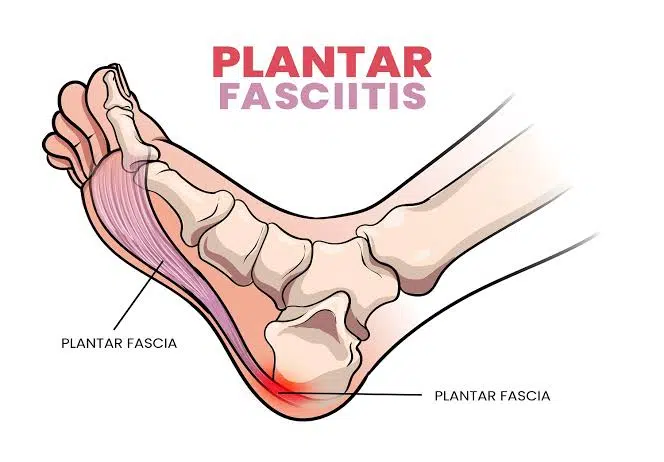
What Is Plantar Fasciitis?
Plantar fasciitis is irritation of the plantar fascia, the thick tissue band that supports the arch and connects the heel to the toes. It usually causes sharp heel pain with the first steps after rest. The condition is driven by repeated overload, not usually one sudden injury.
The plantar fascia helps absorb force when you walk, run, and stand. When daily stress builds faster than the tissue can recover, the heel becomes sore and sensitive.
This is why plantar fasciitis often affects runners, active adults, and people who spend long hours on their feet. It can also affect beginners who increase activity too quickly.
Why the Plantar Fascia Matters for Movement
The plantar fascia helps stabilize the foot arch, absorb force, and transfer pressure during walking and running. When it becomes irritated, every step can feel more painful because the heel is loaded repeatedly. Improving tissue tolerance, calf mobility, and foot support is central to long-term recovery.
If the tissue stays irritated, your walking pattern may change. That can place more stress on the foot, ankle, calf, and even the knee.
Symptoms and Causes of Plantar Fasciitis
Plantar fasciitis symptoms usually include stabbing heel pain, arch tightness, and stiffness after rest. Common drivers include tight calves, poor footwear, sudden increases in walking or running, prolonged standing, excess body weight, and foot mechanics such as flat feet or high arches that increase heel stress.
Most people notice the pain most during the first few steps in the morning. It may improve after moving around, then flare again later in the day.
The more daily strain placed on the heel, the harder the foot finds it to settle down. That is why both symptoms and causes need to be addressed together.
Common Symptoms of Plantar Fasciitis
The most common symptom is sharp heel pain during the first steps of the day. Many people also notice arch tightness, tenderness under the foot, or soreness after exercise. Symptoms often ease once the foot warms up, then return later with prolonged standing, walking, or impact activity.
- Morning pain: The first steps of the day are often the most painful.
- Heel tenderness: Pressing the underside of the heel may reproduce symptoms.
- Arch tightness: The sole of the foot may feel stiff or irritated.
- Post-activity flare-up: Pain may return after training, walking, or long periods on your feet.
Most Common Causes and Risk Factors
Plantar fasciitis causes usually involve repeated stress rather than one sudden injury. Tight calves, unsupportive shoes, prolonged standing, rapid increases in activity, excess body weight, and foot shapes like flat feet or high arches can all increase strain on the heel and make symptoms more likely to develop.
- Overuse: Too much walking, running, jumping, or standing in a short time.
- Footwear: Thin, worn-out, or unsupportive shoes often increase heel stress.
- Tight calves: Limited ankle mobility can increase pulling through the heel.
- Foot mechanics: Flat feet or high arches can alter force distribution.
Can You Cure Plantar Fasciitis in One Week?
A full plantar fasciitis cure in one week is usually unrealistic because irritated fascia tissue needs time to settle and adapt. However, many people can reduce pain noticeably within seven days by cutting aggravating activity, improving footwear, stretching daily, and following a simple recovery routine with consistent load management.
The better goal is fast relief, not instant healing. This sets a realistic expectation and helps you focus on what actually improves recovery.
If symptoms are mild and caught early, improvement can happen quickly. If the pain has lasted for weeks or months, recovery usually takes longer.
What Improvement Is Realistic in Seven Days?
In seven days, the most realistic result is less morning pain, easier walking, and better comfort during daily activity rather than full tissue healing. Early progress usually comes from load reduction and better mobility. Long-standing or severe cases often need more time, especially if the same triggers stay in place.
- Possible: Less first-step pain and improved daily movement.
- Less likely: Complete recovery from a chronic case in one week.
- Best goal: Calm the irritation and stop re-aggravating the heel.
Best Treatments for Fast Relief
The best plantar fasciitis treatments combine load reduction, stretching, supportive shoes, orthotic support, and soft tissue work. Fast relief rarely comes from one single fix. The most effective approach is to reduce repeated heel stress while improving foot, ankle, and calf function at the same time.
A good plan should lower pain without leaving the foot weaker or more protective. The aim is to calm symptoms while keeping movement as normal as possible.
For some people, simple home care is enough. For others, guided therapy helps speed up progress and reduce recurrence.
Stretching and Mobility Exercises
Stretching for plantar fasciitis helps reduce tension through the calf muscles, Achilles tendon, and plantar fascia. Short daily sessions can improve first-step pain and foot mobility. The most useful options are calf stretches, towel stretches, and gentle arch stretches performed consistently instead of only during flare-ups.
- Calf stretch: Use both straight-knee and bent-knee positions.
- Towel stretch: Pull the forefoot gently before getting out of bed.
- Plantar fascia stretch: Pull the toes back to stretch the arch.
- Toe mobility: Gentle toe movement can reduce stiffness through the sole.
Supportive Shoes and Orthotics
Supportive footwear and orthotics can reduce repeated strain on the heel during standing and walking. Good shoes usually combine cushioning, arch support, and a stable sole. Many people feel better quickly when they stop walking barefoot on hard floors and switch to shoes or inserts that support the arch.
- Supportive trainers: Choose cushioned shoes with structure and stability.
- Orthotic inserts: These can improve arch support and pressure distribution.
- Heel cups: Useful for reducing impact directly under the heel.
- Indoor support: Wear supportive sandals or shoes at home.
Massage, Therapy, and Recovery Support
Massage and sports therapy can help plantar fasciitis by reducing calf and foot tightness, improving mobility, and guiding recovery when home care is not enough. They work best as part of a larger plan that also includes stretching, load management, and better footwear rather than as stand-alone treatments.
You can also explore related support topics like sports therapy, sports massage therapy, and rehab training.
Home Care Routine for Plantar Fasciitis
Home care for plantar fasciitis works best when it reduces heel stress every day instead of only during severe pain. The most effective routine usually includes stretching, gentle massage, supportive shoes, and temporary activity changes. Consistency matters more than intensity when trying to calm irritated fascia tissue at home.
A good home routine should feel simple enough to repeat. If a method sharply increases pain, it is usually too aggressive for the current stage.
Daily habits often make the biggest difference because they reduce the small repeated stresses that keep the heel irritated.
Simple Daily Routine for Morning Heel Pain
A simple plantar fasciitis morning routine should loosen the foot before full weight-bearing and reduce first-step pain. Gentle towel stretches, toe pulls, light foot rolling, and supportive shoes placed by the bed can make early movement more comfortable and reduce the usual morning flare-up under the heel.
- Before standing: Stretch the calf and arch for 30 to 45 seconds.
- Foot rolling: Use a tennis ball or massage ball for one to two minutes.
- Support first: Put on supportive footwear as soon as you get up.
- Repeat later: Add another short mobility session in the evening.
Best Home Remedies That Support Recovery
The best home remedies for plantar fasciitis are the ones that lower irritation without adding more stress. Daily stretching, light massage, supportive footwear, and avoiding long barefoot walks on hard surfaces are simple but effective. These habits usually work better than random treatments used only when pain becomes severe.
- Stretch daily: Focus on the calf, Achilles tendon, and sole of the foot.
- Massage gently: Roll the arch without pushing into sharp pain.
- Reduce overload: Cut back on jumping, sprinting, and long walks for now.
- Stay consistent: Small daily habits usually beat aggressive one-off fixes.
How to Prevent Plantar Fasciitis from Coming Back
Plantar fasciitis prevention depends on changing the habits that overload the heel in the first place. The most effective steps include maintaining a healthy body weight, improving calf and ankle mobility, wearing supportive footwear, and avoiding sudden spikes in training volume that the foot is not ready to handle.
Long-term recovery depends on more than pain relief. If the original load problem is still there, symptoms often return.
The goal is to build a foot and lower leg that can handle daily demands better. That means better support, better mobility, and smarter progression.
Best Training Modifications During Recovery
During recovery, the best exercise modifications keep you active without repeatedly irritating the heel. Lower-impact options such as cycling, swimming, mobility work, and controlled strength training are usually better tolerated than running, sprinting, or jumping. Staying active is useful, but the heel still needs relative calm to improve.
- Better choices: Cycling, swimming, upper-body training, and light strength work.
- Use caution: Running, hill work, jumping, and long walks can aggravate symptoms.
- Build gradually: Increase activity only when morning pain is clearly improving.
- Recover well: Good progress often depends on rest and training balance.
Daily Habits That Lower Recurrence Risk
The daily habits that reduce plantar fasciitis recurrence are usually simple: wear supportive shoes, keep calves mobile, manage body weight, replace worn-out footwear, and avoid sudden jumps in training load. These actions help control repeated strain on the fascia and make future heel flare-ups less likely over time.
- Wear support: Use shoes that protect the heel and arch during long days.
- Stay mobile: Keep the calves and ankles moving well.
- Progress slowly: Increase walking or running volume step by step.
- Watch recovery: Poor sleep and high fatigue can reduce tissue tolerance.
When to See a Professional
You should seek professional help if plantar fasciitis pain is severe, lasts longer than a week without improvement, or comes with swelling, redness, warmth, numbness, or sudden sharp symptoms. Persistent heel pain may need a clearer diagnosis, better treatment guidance, or testing to rule out other conditions.
Early support can save time and frustration if your self-care plan is not working. It can also stop you from training on a condition that needs a different plan.
Not all heel pain is plantar fasciitis. That is why a clear assessment matters when symptoms do not follow the usual pattern.
Questions to Ask a Healthcare Provider
Good questions help confirm whether the pain is really plantar fasciitis and what recovery should look like. Ask about diagnosis, healing timeline, activity limits, footwear, and whether imaging is necessary. Clear answers make treatment more focused and reduce the chance of returning to full activity too early.
- Diagnosis: Is this definitely plantar fasciitis or something else?
- Timeline: How long should relief and full recovery realistically take?
- Treatment: Which stretches, shoes, or supports fit my case best?
- Activity: What should I avoid, and what can I still do safely?
FAQ About Plantar Fasciitis
These plantar fasciitis FAQs answer the most common questions about morning heel pain, walking, footwear, and massage. Each answer is written in a direct, clear format so readers can scan quickly while search engines and AI systems can extract concise explanations for answer boxes and summary results.
Why Is Plantar Fasciitis Worse in the Morning?
Morning plantar fasciitis pain happens because the plantar fascia tightens during rest and is stressed quickly when you stand up. That is why first-step pain is so common. Once the foot warms up and moves a little, symptoms may ease, even though the tissue is still irritated.
Should You Walk or Rest With Plantar Fasciitis?
Most people do not need complete rest, but they do need smarter load management. Gentle walking may be fine if pain stays manageable, while long walks, running, or repeated impact often slow recovery. The goal is to stay active without repeatedly pushing the heel beyond its current tolerance.
Are Barefoot Walking and Worn-Out Shoes Bad for Plantar Fasciitis?
Yes, barefoot walking on hard floors and worn-out shoes can make plantar fasciitis worse because they reduce support and increase heel stress. Supportive shoes, indoor sandals, and timely shoe replacement often give fast relief and help reduce the repeated daily strain that keeps symptoms active.
Can Massage Help Plantar Fasciitis?
Yes, massage for plantar fasciitis can help by easing tightness in the foot and calf, improving short-term comfort, and making stretching easier to tolerate. It works best as part of a broader recovery plan that also includes better footwear, activity changes, and consistent daily mobility work.
Final takeaway: You do not need a magic fix for plantar fasciitis. You need a calm, consistent plan that lowers heel stress, improves foot and calf mobility, and supports recovery day by day. Better shoes, smarter activity choices, and steady daily care usually do more than aggressive short-term treatment.