TL;DR: Hydration helps you train better, recover better, and think more clearly during exercise. Good hydration is not just about drinking more water. It is about timing fluids well, replacing sweat losses sensibly, and paying attention to electrolytes, heat, workout length, and signs that your body is running low.
- What Does Hydration Do for Fitness?
- How Does Dehydration Hurt Workout Performance?
- How Much Water Should You Drink Before, During, and After Exercise?
- When Should You Choose Water vs Sports Drinks?
- Why Do Electrolytes and Recovery Matter for Hydration?
- What Are the Risks of Improper Hydration?
- FAQ About Fitness and Hydration
What Does Hydration Do for Fitness?
Hydration supports exercise by helping the body regulate temperature, move nutrients, maintain blood volume, and support muscle function. When you are well hydrated, the heart works more efficiently and muscles usually perform better. Good hydration also creates a better internal environment for recovery, coordination, and training consistency.
Why Is Hydration Important for Exercise Performance?
Hydration matters because exercise increases sweat loss, body temperature, and circulation demands. If fluid levels drop too much, performance usually falls. Well-timed fluid intake may help you maintain stamina, pacing, focus, and exercise quality, especially during longer sessions, harder workouts, or training in hot and humid conditions.
How Does Hydration Support Recovery After Training?
Hydration supports recovery by helping the body replace sweat losses, circulate nutrients, and restore normal function after exercise. It does not rebuild muscle on its own, but it helps create better conditions for that process. This fits naturally with broader recovery habits such as sleep, food quality, and a solid recovery plan.
- Temperature control: Fluids help the body manage heat during exercise.
- Circulation support: Blood flow works better when hydration is adequate.
- Muscle function: Hydration helps support contraction, coordination, and output.
- Recovery support: Replacing lost fluid helps the body return to balance after training.
How Does Dehydration Hurt Workout Performance?
Dehydration can reduce energy, coordination, concentration, and heat tolerance during exercise. Even mild fluid loss may make a session feel harder than it should. As dehydration worsens, the body struggles more with cooling, circulation, and muscle function, which can raise fatigue and increase the risk of heat-related problems.
What Are the Signs of Inadequate Hydration During Exercise?
Common signs of inadequate hydration include thirst, dry mouth, headache, darker urine, dizziness, unusual fatigue, and a drop in exercise quality. Some people also notice cramps or a faster heart rate. These signs do not always mean severe dehydration, but they do suggest that your fluid plan may need attention.
Can Dehydration Affect Mood and Focus During Workouts?
Yes, dehydration can affect mood, concentration, and perceived effort during exercise. People may feel more irritable, mentally foggy, or less motivated when fluid levels are low. That matters because exercise quality depends on more than muscles alone. Focus, decision-making, and pacing often get worse when hydration drops during training.
Who Is More Likely to Struggle With Dehydration?
People training in heat, sweating heavily, doing long sessions, or exercising at high intensity are more likely to struggle with dehydration. Beginners may also underestimate fluid needs. Older adults can be more vulnerable too, which makes hydration especially relevant when discussing topics like senior fitness and safe training progressions.
- Early signs: Thirst, dry mouth, and reduced training quality often show up first.
- Moderate signs: Headache, dizziness, and unusual fatigue suggest a bigger fluid gap.
- Higher-risk settings: Heat, humidity, and long sessions increase sweat losses.
- Performance impact: Dehydration often makes the same workout feel much harder.
How Much Water Should You Drink Before, During, and After Exercise?
A practical hydration plan usually includes drinking before training, sipping during longer or hotter sessions, and replacing fluid losses afterward. The source article suggests about 500ml two hours before exercise, 150 to 350ml every 15 to 20 minutes during exercise, and 500 to 1000ml per kilogram of bodyweight lost after training.
How Much Should You Drink Before a Workout?
A simple starting point is about 500ml of water around two hours before exercise. This gives the body time to absorb fluid before training begins. Exact needs still vary by body size, climate, and sweat rate, so the goal is not to force water, but to begin your session reasonably well hydrated.
How Much Should You Drink During a Workout?
During exercise, many people do well with about 150 to 350ml every 15 to 20 minutes, especially during longer or sweat-heavy sessions. That number is only a guide, not a strict rule. Your ideal amount depends on workout intensity, temperature, sweat rate, and how your stomach tolerates fluids while moving.
How Much Should You Drink After a Workout?
After exercise, a useful guideline is 500 to 1000ml of fluid for each kilogram of bodyweight lost during training. That helps replace sweat losses without rushing the process. The goal is steady rehydration, not over-drinking. Recovery also improves when fluids are paired with food, electrolytes, and sensible post-workout habits.
- Before training: Start hydrated instead of waiting until the session begins.
- During training: Sip based on heat, sweat, and workout length.
- After training: Replace losses steadily rather than chugging too much at once.
- Keep context: These are starting guidelines, not exact rules for everyone.
When Should You Choose Water vs Sports Drinks?
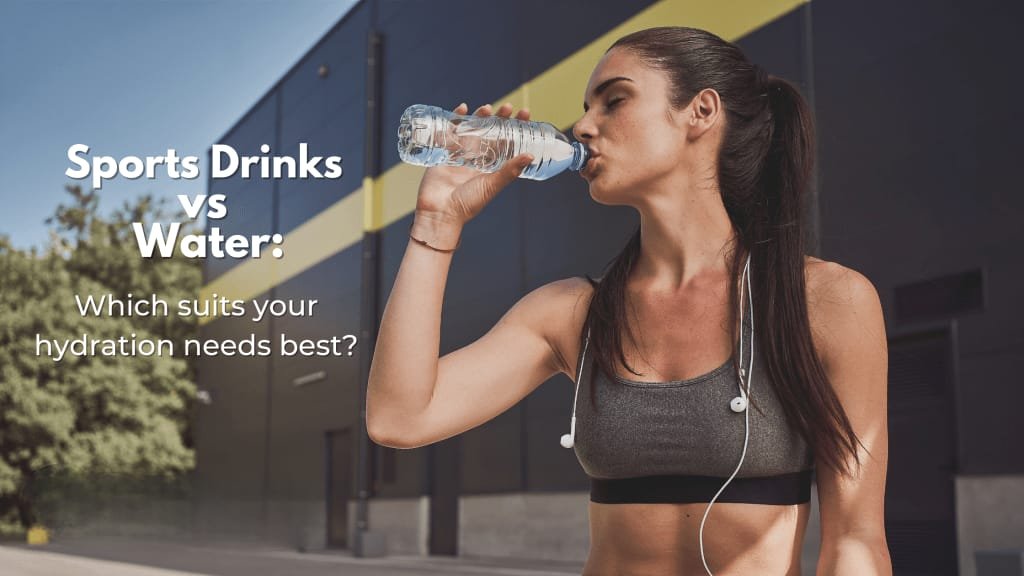
Water is usually enough for ordinary workouts, shorter sessions, and day-to-day hydration. Sports drinks become more useful when exercise is long, intense, or done in hot conditions with heavy sweating. The better choice depends on sweat loss, electrolyte needs, session duration, and how hard the body is working.
When Is Water Usually Enough?
Water is usually enough for regular gym sessions, basic strength workouts, walks, and shorter cardio sessions where sweat losses are modest. If the session is not extremely long or hot, plain water often does the job well. This keeps hydration simple and avoids drinking extra sugar when it is not needed.
When Can Sports Drinks Be Helpful?
Sports drinks can be helpful during prolonged activity, high sweat loss, or sessions in heat where sodium and other electrolytes are lost in larger amounts. They are not required for every workout. They simply become more useful when water alone may not fully support fluid balance and training tolerance.
How Can You Choose a Better Sports Drink?
A better sports drink should match the session rather than the marketing. Look at sugar content, sodium level, serving size, and total calories before assuming it is helpful. That is where learning how to read food labels can make hydration choices more practical and less confusing.
- Choose water: Best for most normal workouts and everyday hydration.
- Choose sports drinks: More useful for long, hot, or heavy-sweat sessions.
- Check the label: Not every sports drink is a good fit for every goal.
- Match the need: Your hydration choice should reflect the actual demands of training.
Why Do Electrolytes and Recovery Matter for Hydration?
Electrolytes such as sodium, potassium, and magnesium help regulate fluid balance, muscle contraction, and nerve signaling. When you sweat, you lose more than water alone. That is why better hydration often involves both fluids and minerals, especially after long sessions, repeated hard workouts, or training in challenging climates.
What Electrolytes Matter Most for Fitness?
The main electrolytes discussed in fitness are sodium, potassium, and magnesium because they help the body hold fluid, support muscle function, and maintain normal nerve activity. Each one plays a different role. A good hydration plan does not obsess over them, but it does respect that sweating changes more than water balance.
Why Is Magnesium Important for Hydration?
Magnesium matters because it contributes to electrolyte balance, muscle function, and normal fluid regulation inside the body. It is not a miracle mineral, but it is part of the bigger picture. Foods like nuts and seeds can help support intake, along with a well-rounded approach to training and nutrition.
Can Food Help Rehydrate You Too?
Yes, food can help with rehydration because meals often provide water, sodium, potassium, and other nutrients that support fluid balance. Bananas, fruit, soups, yogurt, and mineral-rich whole foods can all help. Hydration works best when it is part of a bigger holistic fitness routine.
- Sodium: Helps the body retain fluid after sweat losses.
- Potassium: Supports muscle and nerve function.
- Magnesium: Plays a role in fluid balance and muscle function.
- Whole foods: Meals can support rehydration, not just drinks alone.
What Are the Risks of Improper Hydration?
Improper hydration includes both drinking too little and drinking too much. Dehydration can raise fatigue, reduce exercise quality, and worsen heat stress. Overhydration can dilute sodium levels and create serious problems too. The safest approach is to hydrate with purpose instead of guessing or forcing large amounts.
What Is Overhydration and Why Can It Be Dangerous?
Overhydration happens when fluid intake greatly exceeds what the body needs, sometimes diluting sodium levels too far. This condition is less common than dehydration, but it still matters. Drinking massive amounts of plain water without replacing electrolytes can create avoidable problems, especially in long events or heat.
What Should You Know About Heat Illness?
Heat illness can develop when exercise, hot conditions, and poor hydration combine faster than the body can cool itself. Early warning signs may include dizziness, nausea, cramps, or unusual weakness. Hydration helps, but so do pacing, shade, rest breaks, and adjusting the session to suit the environment.
When Should You Seek Medical Attention?
You should seek medical attention if symptoms become severe, persistent, or alarming. Warning signs may include confusion, fainting, vomiting, chest pain, extreme weakness, or signs of serious heat stress. Normal thirst is one thing. Symptoms that disrupt safety or clear function are different and should not be ignored.
Why Is Alcohol a Poor Post-Workout Choice?
Alcohol is a poor post-workout choice because it can act as a diuretic, worsen dehydration, and interfere with recovery habits that matter more after training. It may also make it harder to refuel well and sleep well. If recovery is the goal, alcohol usually works against the process rather than supporting it.
- Too little fluid: Raises fatigue, heat strain, and performance drop-off.
- Too much fluid: Can dilute sodium and create unnecessary risk.
- Heat plus dehydration: Makes training much more stressful on the body.
- Alcohol after training: Can make rehydration and recovery harder.
FAQ About Fitness and Hydration
These common questions help simplify hydration decisions for exercise. Most people do not need a perfect formula. They need a sensible plan that matches workout length, sweat loss, heat, and recovery needs. Good hydration is usually about consistency, awareness, and better timing rather than chasing complicated rules.
Do you need to drink water even if you are not thirsty yet?
Yes, relying only on thirst is not always ideal, especially during exercise, heat, or longer sessions. Thirst can lag behind what the body actually needs. Drinking steadily through the day and planning around workouts often works better than waiting until you already feel dry, heavy, tired, or behind.
Is clear urine the perfect sign of good hydration?
No, urine color is useful, but it is not a perfect standalone marker. Very dark urine can suggest under-hydration, but completely clear urine all day may also mean you are overdoing fluids. The best approach is to combine urine color with thirst, workout conditions, sweat rate, and how you feel.
Do all workouts require electrolytes?
No, many normal workouts do not require added electrolytes beyond a regular balanced diet and water. Electrolytes become more relevant when sessions are long, very sweaty, repeated, or done in heat. The harder and longer the session, the more useful sodium and other minerals may become.
What is the simplest hydration habit to start with?
The simplest habit is to arrive at training already reasonably hydrated and to keep drinking steadily through the day. Add more structure around longer or hotter sessions. A bottle nearby, a basic pre-workout drink, and a sensible post-workout refill often do more than overcomplicated hydration hacks.
Final takeaway: Hydration should be planned, not left to chance. Start workouts reasonably well hydrated, drink according to the demands of the session, replace what you lose, and respect electrolytes when sweat losses are higher. Simple, consistent hydration habits may improve performance, recovery, and long-term training quality.