
TL;DR: High cortisol symptoms often show up as poor sleep, stubborn belly weight gain, fatigue, cravings, irritability, and slower recovery. Cortisol is not “bad,” but staying stressed for too long can throw off energy, appetite, and training quality. The best first steps are better sleep, smarter exercise, steadier meals, and professional help if symptoms keep building.
- What Is Cortisol and Why Does It Matter?
- What Are the Symptoms of High Cortisol?
- What Causes High Cortisol Levels?
- What Health Risks Can High Cortisol Create?
- How to Help Lower High Cortisol Naturally
- When Should You Seek Professional Help?
- FAQ About High Cortisol Symptoms
What Is Cortisol and Why Does It Matter?
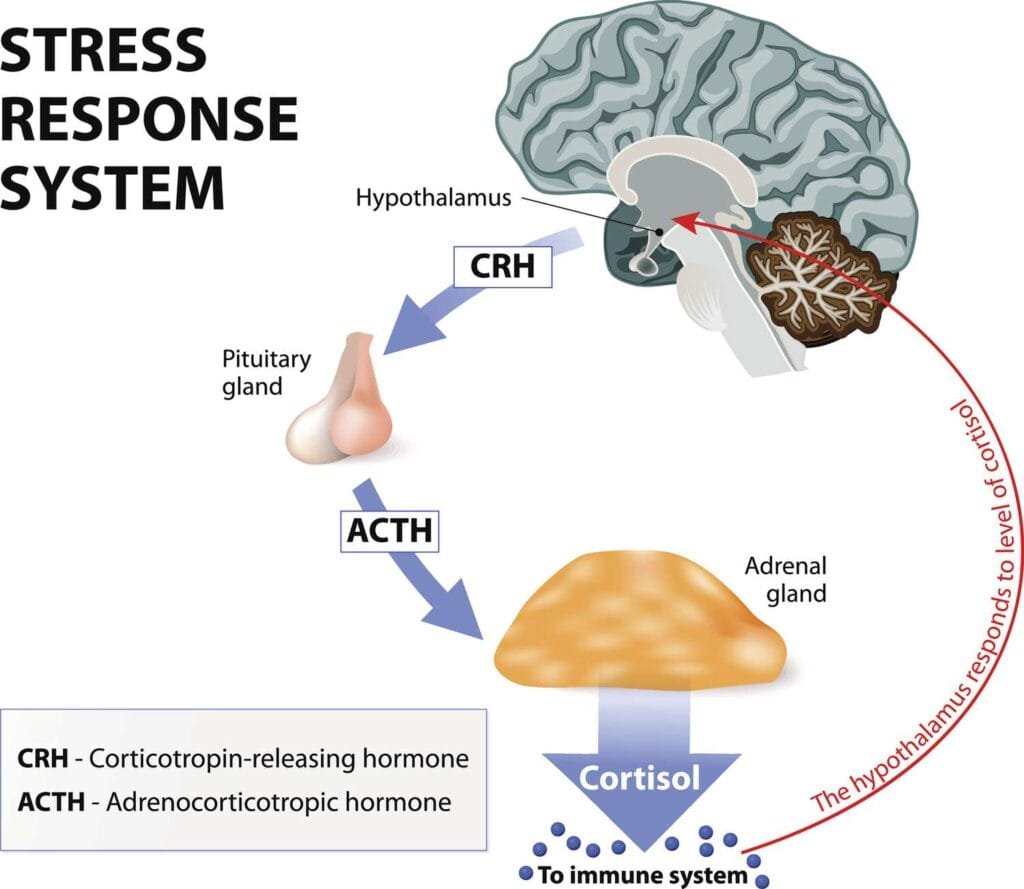
Cortisol is the body’s main stress hormone, and it helps regulate energy, blood pressure, blood sugar, and the sleep-wake cycle. It is useful in the right amount. Problems usually appear when stress stays high for too long and cortisol remains elevated more often than it should.
Is Cortisol Always Bad?
No, cortisol is not always bad. Your body needs it to wake up, respond to stress, and keep important systems running. The issue is not cortisol itself. The issue is chronic overload, where sleep loss, pressure, illness, or lifestyle stress keep the body in a more activated state for too long.
Why Does Cortisol Matter for Fitness and Recovery?
Cortisol matters in fitness because it affects energy, appetite, inflammation, sleep, and recovery. When it stays too high, training can feel harder, cravings can rise, and recovery can slow down. That is why stress management fits naturally with rest and recovery, not just workouts.
What Are the Symptoms of High Cortisol?
High cortisol symptoms can include belly-centered weight gain, poor sleep, fatigue, irritability, cravings, brain fog, and slower recovery from exercise. Some people also notice weaker training performance or feeling “wired but tired.” These signs are not proof of a diagnosis, but they can suggest chronic stress needs attention.
What Physical Symptoms Can High Cortisol Cause?
Physical symptoms may include increased abdominal fat, puffiness in the face, low energy, muscle weakness, headaches, acne, or feeling run down more often. Some people also notice blood sugar swings or increased hunger. These signs can overlap with many other issues, so they should be viewed as clues, not conclusions.
- Weight changes: Some people notice easier fat gain around the abdomen.
- Energy drop: Fatigue can stay high even after rest.
- Recovery issues: Muscles may feel sore for longer than expected.
- Sleep disruption: Falling asleep or staying asleep may become harder.
What Mental and Emotional Symptoms Can Show Up?
Mental and emotional symptoms may include anxiety, irritability, low mood, poor focus, and feeling mentally overloaded. Some people become more reactive, less patient, or less resilient under normal pressure. Because cortisol is tied closely to stress physiology, emotional symptoms often rise alongside physical fatigue and disrupted sleep.
Can High Cortisol Affect Men and Women Differently?
Yes, high cortisol can affect men and women differently, although many symptoms overlap. Women may notice menstrual disruption or worsening stress-related eating patterns. Men may notice lower drive or poorer recovery. These changes are still not self-diagnoses, but they can be useful reasons to look more closely at stress and health habits.
Because stress affects the whole system, this topic also fits naturally with holistic fitness and broader physical-and-mental health habits rather than one isolated fix.
What Causes High Cortisol Levels?
High cortisol can be driven by chronic psychological stress, poor sleep, under-recovery, illness, certain medications, overly aggressive training, and major lifestyle strain. Sometimes medical conditions can also be involved. The key point is that cortisol problems are often multi-factor, which means the solution usually needs more than one change.
Can Lifestyle Stress Raise Cortisol?
Yes, daily stress can raise cortisol, especially when work pressure, financial strain, poor boundaries, and constant mental stimulation build up without enough recovery. This does not mean every busy person has a hormone disorder. It means repeated stress without relief can gradually push the body toward worse sleep, appetite, and energy control.
Can Poor Sleep and Hard Training Raise Cortisol Too?
Yes, poor sleep and excessive training can both raise cortisol, especially when they happen together. Hard exercise is not the problem by itself. The problem is too much intensity with too little recovery. That is why smart strength training, rest, and consistent sleep matter more than endless effort.
Can Food, Caffeine, and Daily Habits Play a Role?
Yes, nutrition and daily habits can influence stress load. Highly processed eating, too much caffeine, poor hydration, and inconsistent meal timing may worsen how stressed and tired you feel. They may not be the only cause, but they can make recovery harder. That is why nutrition support often matters.
- Chronic stress: Ongoing pressure without recovery can keep the body activated.
- Sleep loss: Short or broken sleep often worsens cortisol regulation.
- Training overload: Too much intensity with too little rest can backfire.
- Stimulant overuse: Excess caffeine may worsen anxiety and sleep quality.
What Health Risks Can High Cortisol Create?
Chronically high cortisol may increase the risk of weight gain, poorer blood sugar control, worse sleep, reduced recovery, and lower stress tolerance. Over time, it can affect multiple systems at once. The biggest practical concern is not one dramatic symptom, but the slow buildup of strain across energy, health, and daily function.
Can High Cortisol Affect Body Composition?
Yes, high cortisol may affect body composition by increasing appetite, worsening cravings, and making abdominal fat gain more likely in some people. It can also make consistent fat loss harder when sleep and recovery are poor. This connects naturally with body fat reduction and sustainable training habits.
Can High Cortisol Affect Sleep, Immunity, and Recovery?
Yes, high cortisol can interfere with sleep quality, immune resilience, and physical recovery. Poor sleep can raise cortisol, and high cortisol can make sleep worse, creating a frustrating loop. This is one reason recovery habits, immune support, and stress management often need to be worked on together, not separately.
Related reads such as immune support and hydration for performance and recovery can support the bigger picture when stress has been running high for too long.
How to Help Lower High Cortisol Naturally
The best natural approach to high cortisol usually combines better sleep, more appropriate exercise, steadier meals, less caffeine, and more intentional recovery. There is rarely one magic supplement or one magic workout. Most people improve when they lower total stress load and make daily habits easier for the body to handle.
What Type of Exercise Helps Most?
Exercise can help lower stress, but the best type depends on your current state. Walking, moderate cardio, strength training, mobility work, and Yoga often help when used sensibly. If you already feel exhausted, more intensity is not always better. The goal is better resilience, not just higher output.
- Walk more: Low-intensity movement can support stress relief without adding much fatigue.
- Lift sensibly: Strength work helps when volume and recovery are well managed.
- Add mobility: Slower sessions can help downshift the body after stressful days.
- Avoid overdoing HIIT: Too much intensity may worsen an already overloaded system.
How Can Sleep and Recovery Habits Help?
Sleep and recovery habits help because cortisol follows a daily rhythm that is heavily influenced by bedtime consistency, light exposure, and nervous-system load. A regular sleep schedule, a calmer evening routine, and less late caffeine may improve the whole cycle. This is where rest for training becomes practical.
What Nutrition Habits May Support Better Cortisol Balance?
Nutrition habits that may help include eating enough protein, choosing more whole foods, staying hydrated, and reducing heavy reliance on sugar or caffeine. Omega-3s, magnesium-rich foods, and vitamin C-containing foods are often part of the conversation too. Better food quality usually supports steadier energy and fewer stress-driven crashes.
- Eat regularly: Long gaps and chaotic eating can worsen energy swings for some people.
- Choose whole foods: Simpler meals often support better appetite control and recovery.
- Hydrate well: Low hydration can make fatigue and stress feel worse.
- Reduce stimulants: Less caffeine late in the day may support better sleep quality.
Can Stress Management Techniques Make a Real Difference?
Yes, stress management techniques can make a real difference because they reduce the total load the nervous system has to carry. Breathing drills, mindfulness, therapy, journaling, walking, social support, and clearer boundaries may all help. The best method is usually the one you can repeat without turning it into another chore.
This also fits naturally with a wider holistic approach to fitness, where movement, mindset, sleep, and nutrition all support each other.
When Should You Seek Professional Help?
You should seek professional help when symptoms persist, worsen, or start affecting work, relationships, sleep, training, or basic health. High cortisol symptoms can overlap with many conditions, so guessing is not enough. A qualified doctor can help rule out medical causes and guide proper testing if needed.
Which Symptoms Should Not Be Ignored?
Do not ignore persistent insomnia, ongoing fatigue, rapid weight changes, unusual weakness, major mood changes, or symptoms that keep interfering with normal life. These signs do not automatically mean a cortisol disorder, but they do justify a proper evaluation. Waiting too long can make recovery slower and more frustrating.
Why Is Self-Diagnosis a Bad Idea Here?
Self-diagnosis is risky because high cortisol symptoms overlap with burnout, poor sleep, menopause changes, thyroid issues, depression, medication effects, and other medical problems. Terms like “adrenal fatigue” are often used casually online, but persistent hormone-related symptoms deserve proper medical assessment rather than assumptions or social-media advice.
FAQ About High Cortisol Symptoms
These common questions help clarify what high cortisol symptoms may look like in real life. The short answer is that stress-related hormone issues are rarely solved by one trick. Most people do best when they improve sleep, recovery, nutrition, exercise balance, and professional support instead of chasing fast fixes.
What are the most common high cortisol symptoms?
The most common symptoms often include poor sleep, belly-centered weight gain, cravings, low energy, irritability, anxiety, and slower recovery from training. Some people also notice headaches, brain fog, or feeling tired but unable to relax. These patterns are common, but they still need context and proper interpretation.
Can exercise lower cortisol?
Yes, exercise can help lower stress and improve resilience, but the dose matters. Moderate cardio, walking, strength training, and mind-body exercise often help when recovery is good. If you are already run down, too much high-intensity work may push stress higher instead of helping. Smart programming matters more than heroic effort.
Can high cortisol make it harder to lose weight?
Yes, high cortisol can make fat loss harder by affecting sleep, hunger, cravings, and recovery. That does not mean cortisol is the only reason weight loss is slow, but it can be part of the puzzle. The most useful response is usually better routine, not harsher dieting or panic-driven training.
What is the first thing to fix if stress feels too high?
The first thing to fix is usually the part of your routine causing the biggest drain every day. For many people, that is sleep, recovery, or an unrealistic training load. Start where the stress is most obvious, make one change you can keep, and build from there instead of overhauling everything at once.
Final takeaway: High cortisol symptoms are often a sign that recovery is losing the fight against stress. Start with better sleep, smarter training, steadier meals, and more realistic daily pressure. If symptoms keep hanging around, get professional help. The goal is not to fear cortisol. The goal is to bring your system back into balance.