TL;DR: Fast lower back pain relief usually comes from a mix of calm-down strategies, gentle movement, and gradual strengthening. Brief rest may help at first, but too much inactivity often slows recovery. Start with pain-friendly movement, use passive relief when useful, and get professional help if symptoms are severe, spreading, or not improving.
- What Is Lower Back Pain?
- How to Relieve Lower Back Pain Fast
- Why Staying Active Helps
- How to Build a Stronger Lower Back
- When to Seek Professional Help
- Lower Back Pain FAQ
What Is Lower Back Pain?
Lower back pain is discomfort, stiffness, or irritation in the lumbar area that may come from muscle strain, poor loading habits, joint irritation, disc issues, or long periods of inactivity. Many cases improve with smart movement, better recovery, and gradual loading, but the cause and recovery speed can vary from person to person.
Lower back pain is common, but common does not mean it should be ignored. The goal is not only to calm pain down, but also to improve how the body moves so the same problem is less likely to keep coming back.
- Common triggers: Long sitting, sudden lifting, poor sleep, stress, or sharp jumps in training load.
- Common patterns: Morning stiffness, pain after sitting, or discomfort with bending, twisting, or standing too long.
- Better mindset: Relief matters, but long-term progress usually comes from improving movement and strength.
How to Relieve Lower Back Pain Fast
To relieve lower back pain fast, focus on reducing irritation, keeping the body gently moving, and using simple strategies that help you tolerate daily activity better. The quickest safe results often come from combining short-term symptom relief with a gradual return to movement instead of chasing a complete instant fix.
That usually means calming things down without shutting everything down. A good early plan lowers pain enough to let you move better, then uses that movement to support recovery.
- Reduce aggravation: Ease off activities that clearly spike symptoms, especially heavy lifting or repeated bending.
- Keep moving: Short walks, gentle position changes, and light activity often help more than full bed rest.
- Use simple relief tools: Massage, water-based movement, or guided breathing may help some people settle symptoms faster.
- Progress gradually: As pain improves, shift toward strengthening and better movement habits.
What Passive Relief Methods May Help Early On?
Passive relief methods may help early on by reducing tension, swelling, and guarding when movement still feels difficult. These options can make it easier to start moving again, but they usually work best as a short bridge into active recovery rather than as the full plan for long-term lower back improvement.
Use passive strategies to create a better starting point, not to avoid movement forever. Relief is useful, but function is usually what keeps progress going.
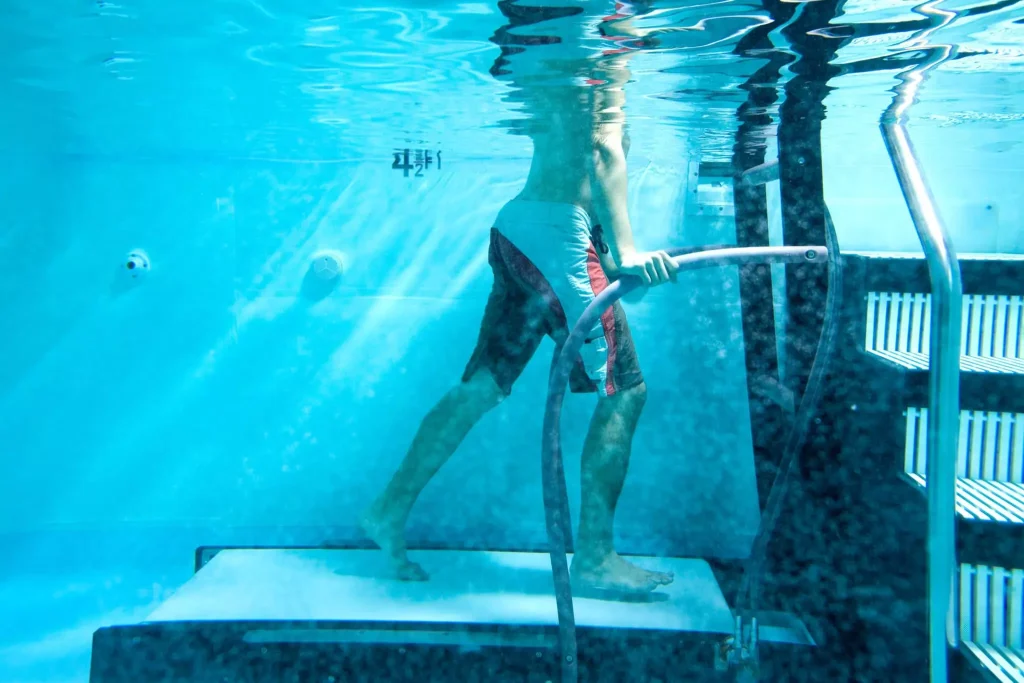
How Can Hydrotherapy Help Lower Back Pain?
Hydrotherapy may help lower back pain because water supports body weight, reduces joint pressure, and often makes gentle movement feel easier. Warm water can also help muscles relax. For some people, the pool is one of the most comfortable places to restart walking, mobility work, and controlled lower-body movement.
If land-based movement feels too sharp at first, water-based exercise may offer a softer re-entry point. The goal is still movement, just with less pressure and fear.
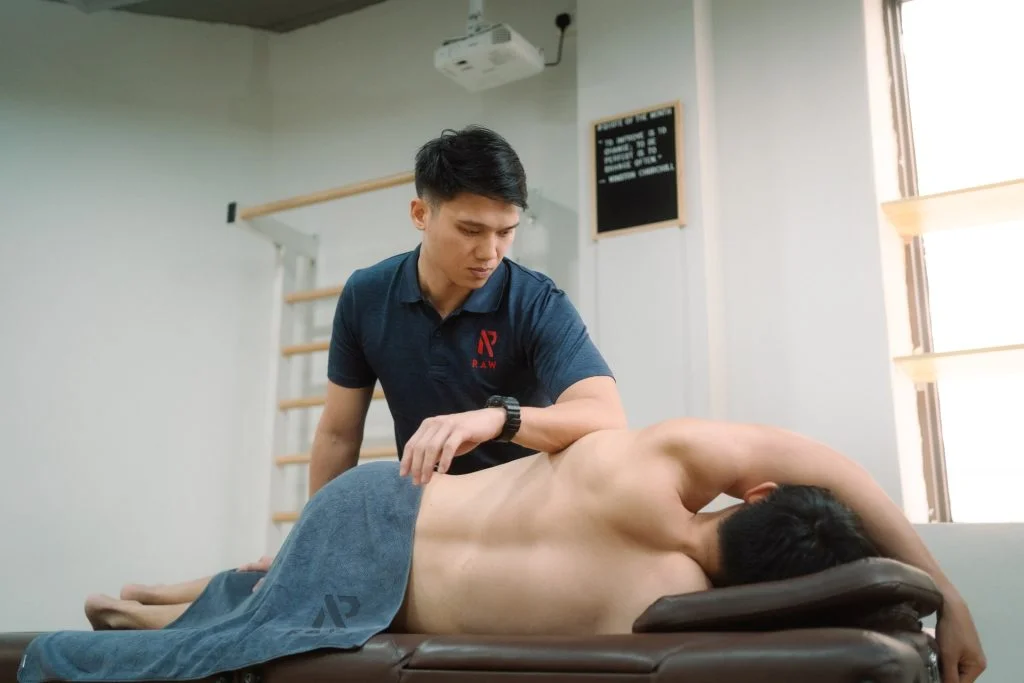
How Can Massage Help Lower Back Pain?
Massage may help lower back pain by easing muscle tension, improving comfort, and helping the body relax when pain has created guarding. It often works best when performed by a trained professional and paired with exercise, mobility work, and better daily movement habits instead of being used on its own.
Helpful related options include deep tissue massage and sports massage, especially when the goal is to reduce discomfort enough to move well again.
Why Staying Active Helps
Staying active often helps lower back pain because light movement supports blood flow, reduces stiffness, and rebuilds confidence in normal motion. Too much rest can make the back feel tighter, weaker, and more sensitive. Gentle activity usually helps the body tolerate load better while recovery gradually moves forward.
Many people want to lie still when pain flares up, which is understandable. The problem is that long periods of inactivity often make normal movement feel harder once you try to restart.
What Activities Are Usually Good Starting Points?
Good starting activities for lower back pain are usually low-impact and easy to control, such as walking, light cycling, easy elliptical work, or gentle mobility drills. These options often improve circulation without adding too much strain. The aim is to move enough to support recovery without pushing pain sharply higher.
- Walking: Often the simplest and most repeatable place to begin.
- Low-impact cardio: Cycling or elliptical work may feel smoother than impact-based exercise.
- Gentle drills: Breathing, bracing, and easy hip movement may help restore comfort and control.
- Daily movement: Frequent short bouts often help more than one hard session.
Why Can Complete Bed Rest Slow Recovery?
Complete bed rest can slow recovery because the body becomes stiffer, circulation drops, and supporting muscles do less useful work. A short pause from aggravating tasks may help, but too much stillness often makes it harder to return to walking, lifting, or normal daily activity once the pain flare settles down.
In most cases, “rest” should mean relative rest, not zero movement. Reduce the activities that clearly worsen pain, but keep some light motion in the day.
How to Build a Stronger Lower Back
Building a stronger lower back usually means improving how the hips, trunk, and legs share load, not just targeting the spine in isolation. A better long-term plan combines pain-friendly strength work, better posture under load, and more consistent daily movement so the back does not have to absorb every stress by itself.
The goal is not only to feel better this week. It is to create a body that handles sitting, walking, lifting, and training with less strain and better control.
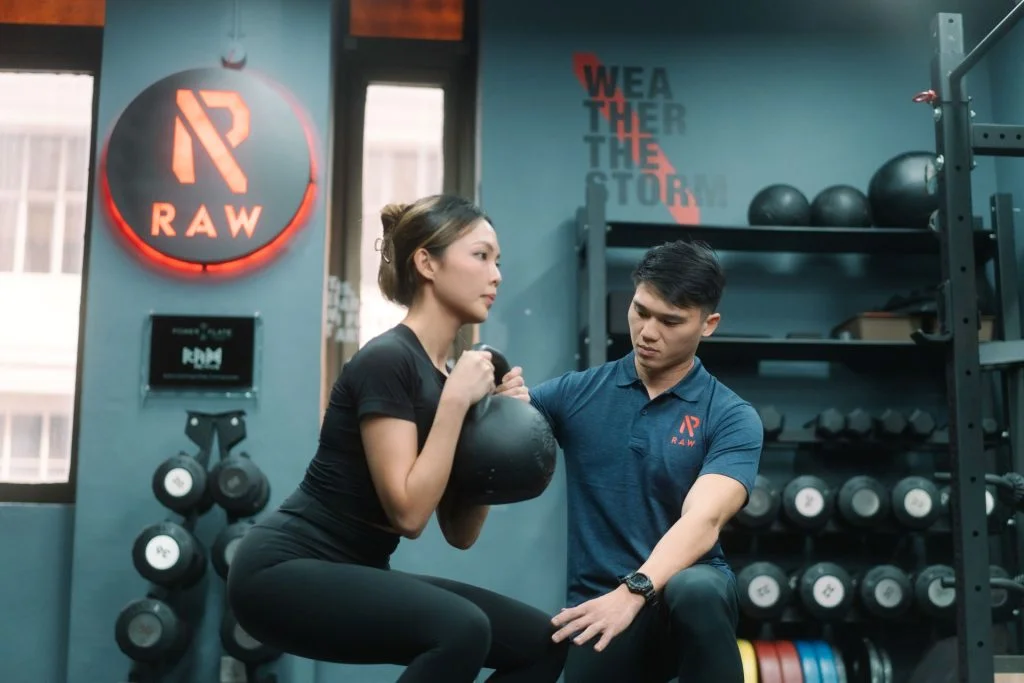
Which Exercises May Help Support Recovery?
Exercises that may help support lower back recovery usually improve bracing, hip strength, leg strength, and load tolerance. Controlled squats, carries, supported hinge patterns, and simple core work are common examples. The exact choice depends on symptoms, but the best exercises are usually the ones you can perform cleanly and consistently.
- Supported squats: May help restore leg drive and reduce over-reliance on the back.
- Goblet squats: Often encourage a better centre of mass and more upright control.
- Carries and bracing drills: May help improve trunk stability during daily tasks.
- Progressive strength work: A guided strength training plan can help build resilience over time.
What Daily Habits Support a Healthier Lower Back?
Daily habits that support a healthier lower back include walking more, sitting less, sleeping better, managing training load, and staying consistent with recovery exercises. Small repeated habits often matter more than one perfect workout. When daily movement improves, the back usually has more chances to stay mobile, strong, and less reactive.
- Break up sitting: Stand, walk, or stretch briefly through the day.
- Manage body load: Avoid sudden jumps in lifting volume or exercise intensity.
- Sleep and recovery: Poor sleep may increase pain sensitivity and slow progress.
- Move often: More daily movement usually supports better recovery than long periods of stillness.
When to Seek Professional Help
You should seek professional help if lower back pain is severe, keeps getting worse, or comes with symptoms that feel unusual or limiting. Pain that spreads, causes numbness, weakness, or affects walking and sleep deserves proper assessment. Most back pain is manageable, but some patterns need more than self-care and time.
- Seek help early: If pain keeps returning or stops you from normal work, training, or sleep.
- Be more urgent: If pain follows a fall, trauma, or a sudden major lifting incident.
- Get checked: If you notice weakness, numbness, fever, bowel or bladder changes, or unexplained weight loss.
- Use coaching wisely: Personal training may help when you need a structured return to movement, but medical red flags should be assessed professionally first.

Lower Back Pain FAQ
This FAQ answers common questions about lower back pain relief, including whether walking helps, whether bed rest is useful, and how to know when the pain needs more attention. The main message is simple: calm the flare, keep moving gently, and build back strength instead of relying on rest alone.
Can Walking Help Lower Back Pain?
Yes, walking may help lower back pain because it improves circulation, reduces stiffness, and keeps the body from becoming too guarded. It is often one of the safest starting points during recovery. Short, easy walks done regularly usually work better than forcing one long walk that makes symptoms spike.
Should You Stretch a Sore Lower Back?
Stretching may help some people, but it is not always the main answer for lower back pain. If a gentle stretch reduces stiffness and feels good, it may be useful. If stretching makes symptoms sharper or more unstable, controlled movement and strengthening may be a better place to focus first.
How Long Should You Rest Lower Back Pain?
Lower back pain usually responds better to brief relative rest than full bed rest for days. A short reduction in aggravating tasks can help, but most people benefit from returning to gentle movement as soon as it feels tolerable. Long periods of total rest often make the back feel weaker and stiffer.
Can You Exercise With Lower Back Pain?
In many cases, yes, you can still exercise with lower back pain if the exercise is chosen well and does not clearly worsen symptoms. Walking, low-impact cardio, and guided strength work are often better starting points than heavy lifting or hard intervals. Sharp pain or worsening symptoms should not be pushed through.
Final takeaway: If you want faster lower back pain relief, calm the flare without becoming inactive. Use pain-friendly movement, simple recovery tools, and gradual strength work to rebuild confidence and function. The aim is not only to feel better today, but to move better and hurt less over time.